7 Summits
Training for Everest in a tent in my bedroom
Fifty nights in a hypoxic tent – what altitude prep for Everest actually does to your body.

Tested by Paulius Pikelis · 140 countries
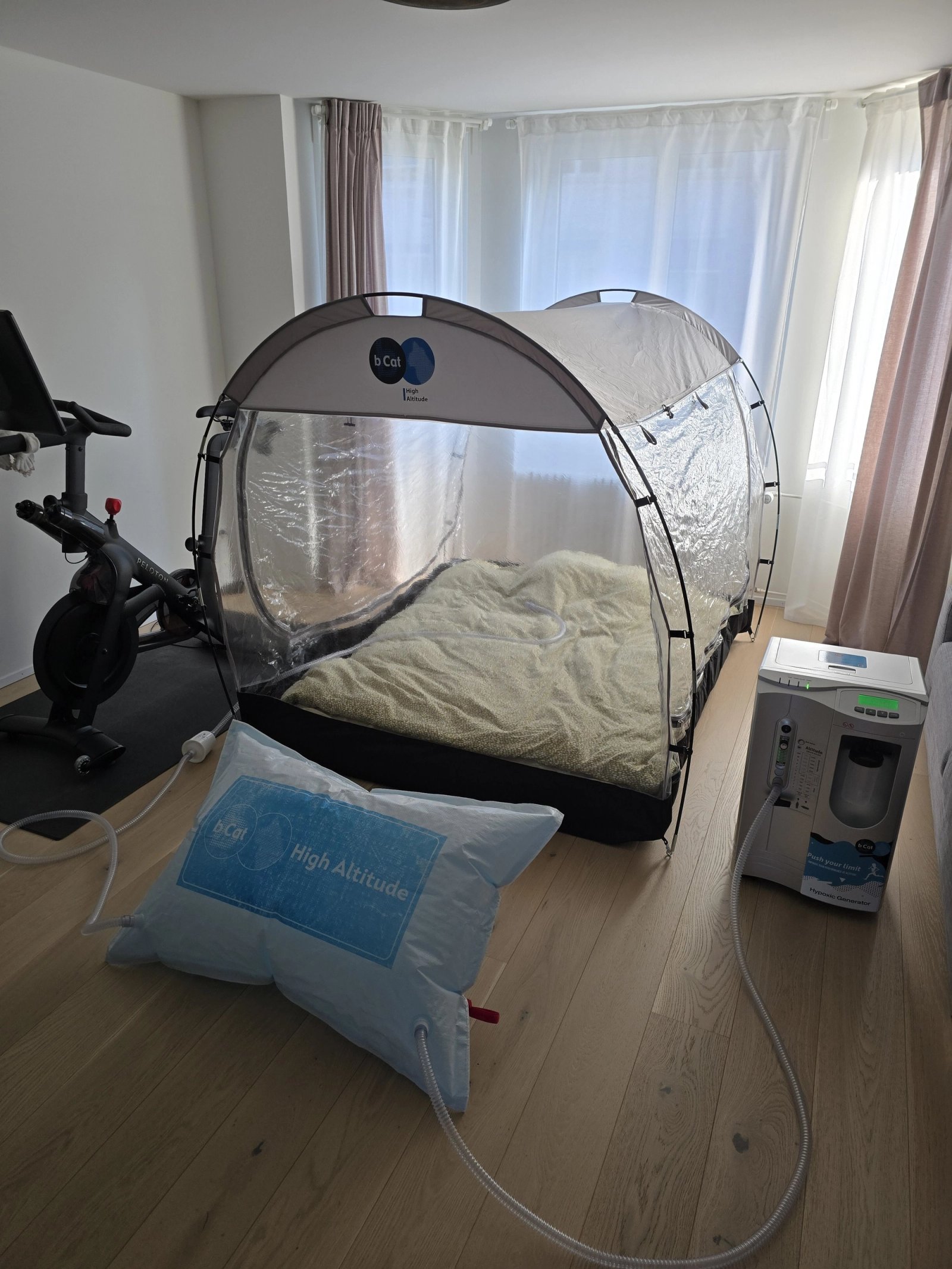
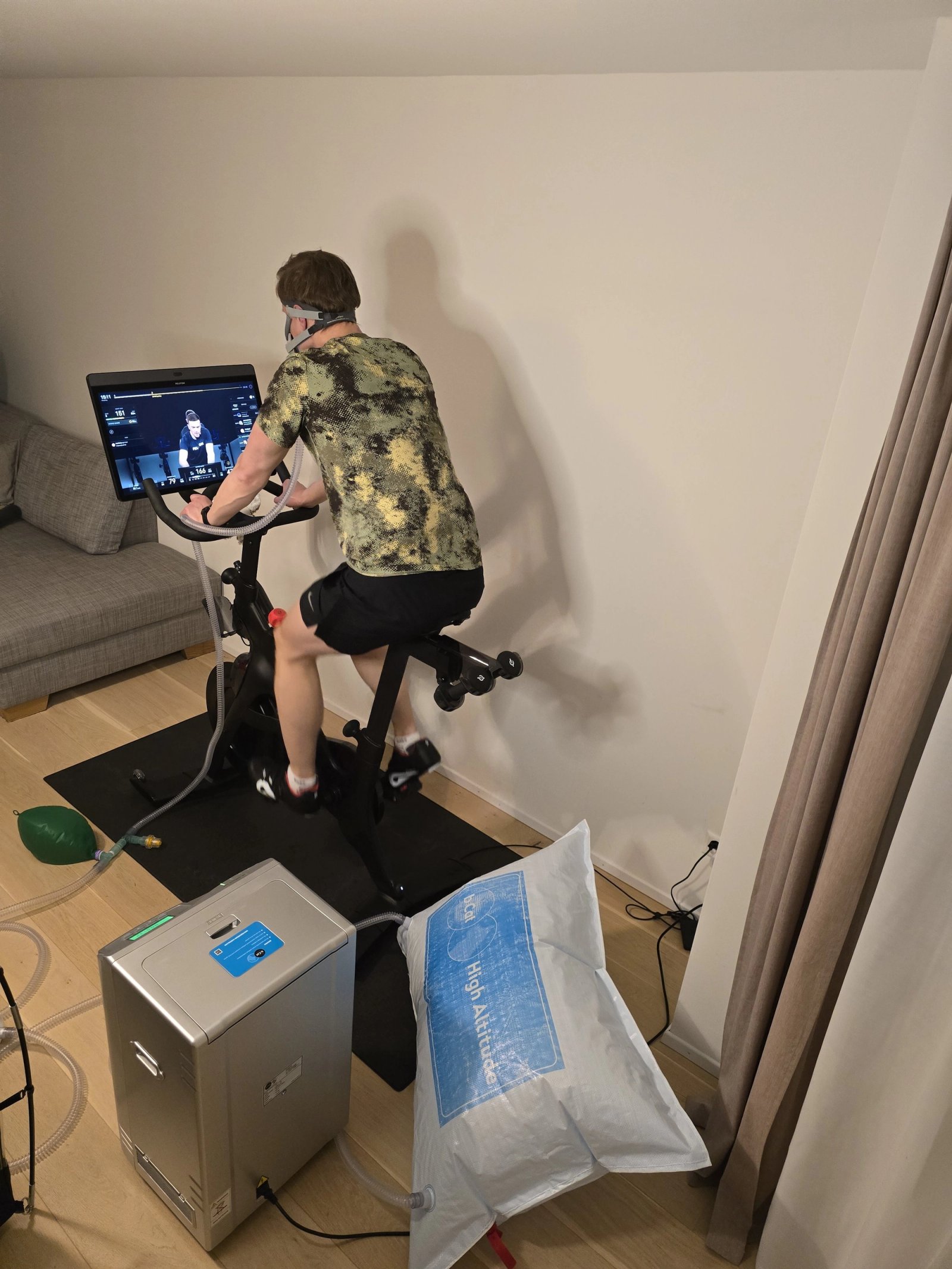
To climb Everest you need a body that works where the air holds about a third of the oxygen it does at sea level. You cannot build that in a gym. So for the winter before the climb, my bedroom became the mountain.
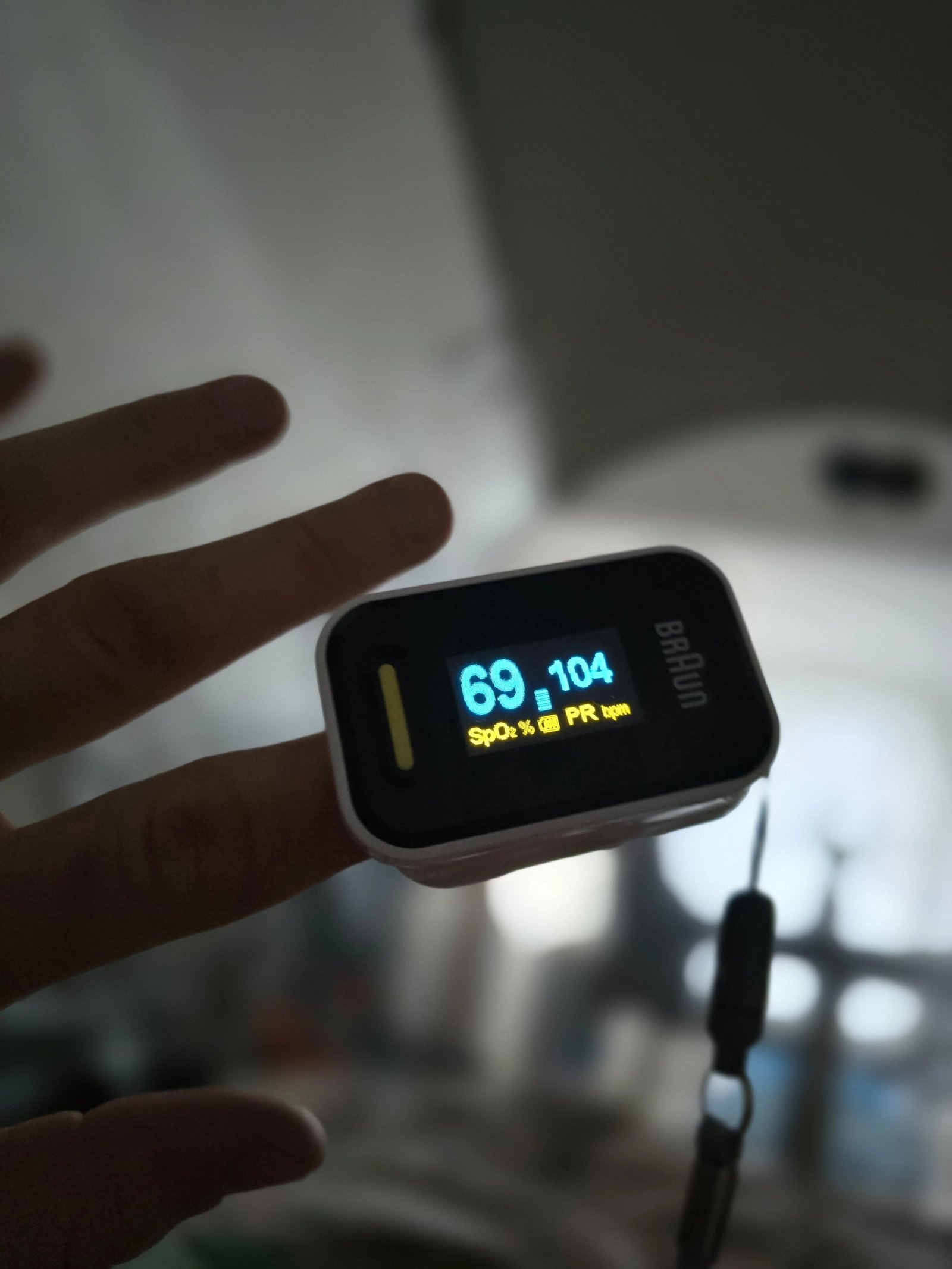
I slept fifty nights in a hypoxic tent, a sealed bubble that thins the air inside. I started at a simulated 1,800 metres and turned the dial up week by week, spending the last six nights at 5,000 metres. A watch tracked the oxygen in my blood and woke me whenever it dropped below 70 percent, the level at which a hospital admits you. Some nights it woke me every ten minutes. I got up most mornings with a headache like a sack to the head, on three or four hours of sleep.
On top of that, 150 hours of training across the same months: 60 hours hiking, 40 on the bike, 24 running, the rest on weights and stairs. Both loads at once, sleeping badly and training hard.
The question was whether the body would break or adapt. Three months of blood tests answered it. Haemoglobin up from 13.8 to 14.6, more red blood cells, a higher ceiling for carrying oxygen, and muscle markers down, which means no overtraining.
The body did not crash. It adapted.
The expedition itself was postponed days before departure, for a separate reason I have written about. The preparation was never the part that failed.