Is South Korea worth visiting?▾
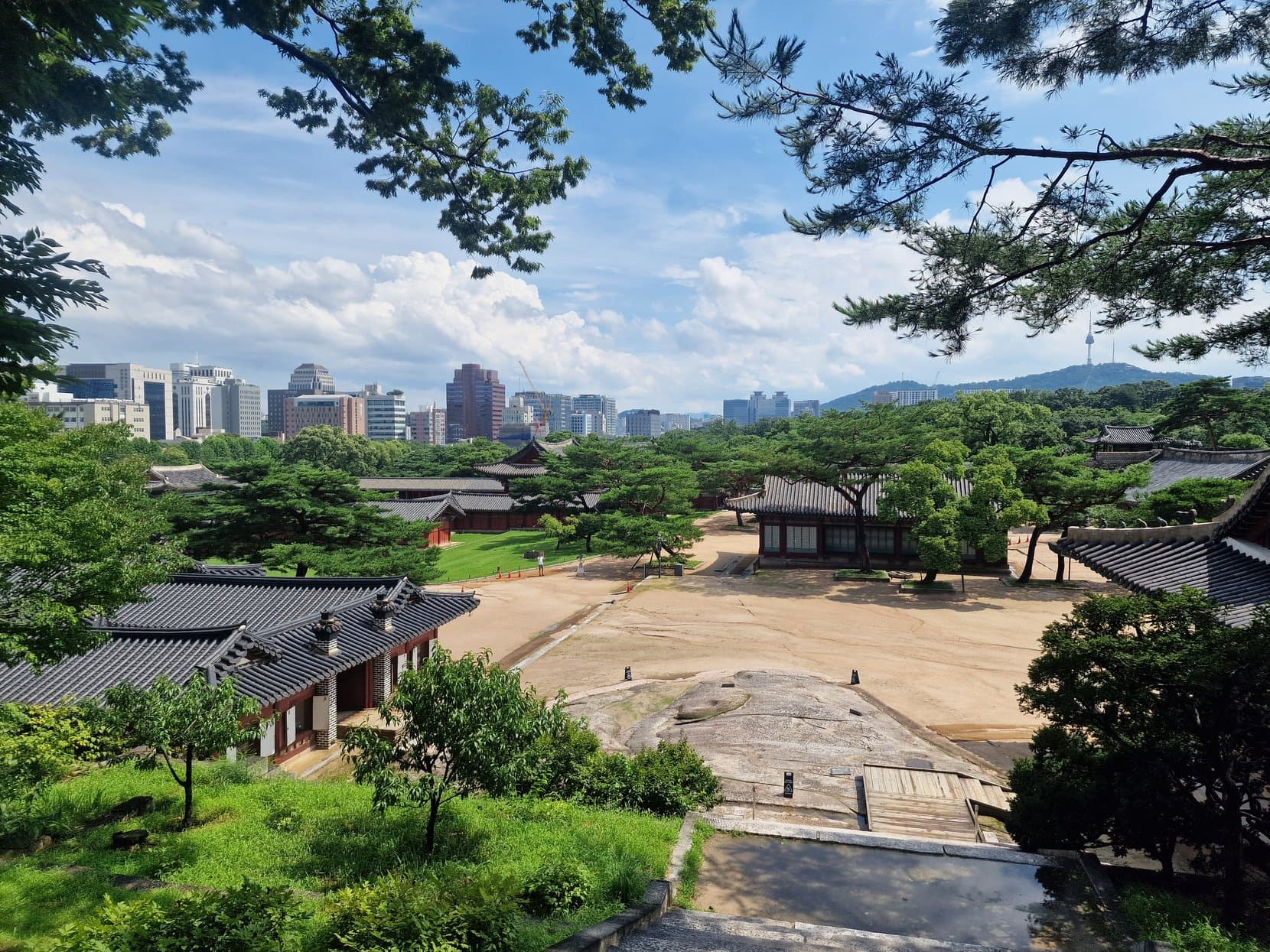
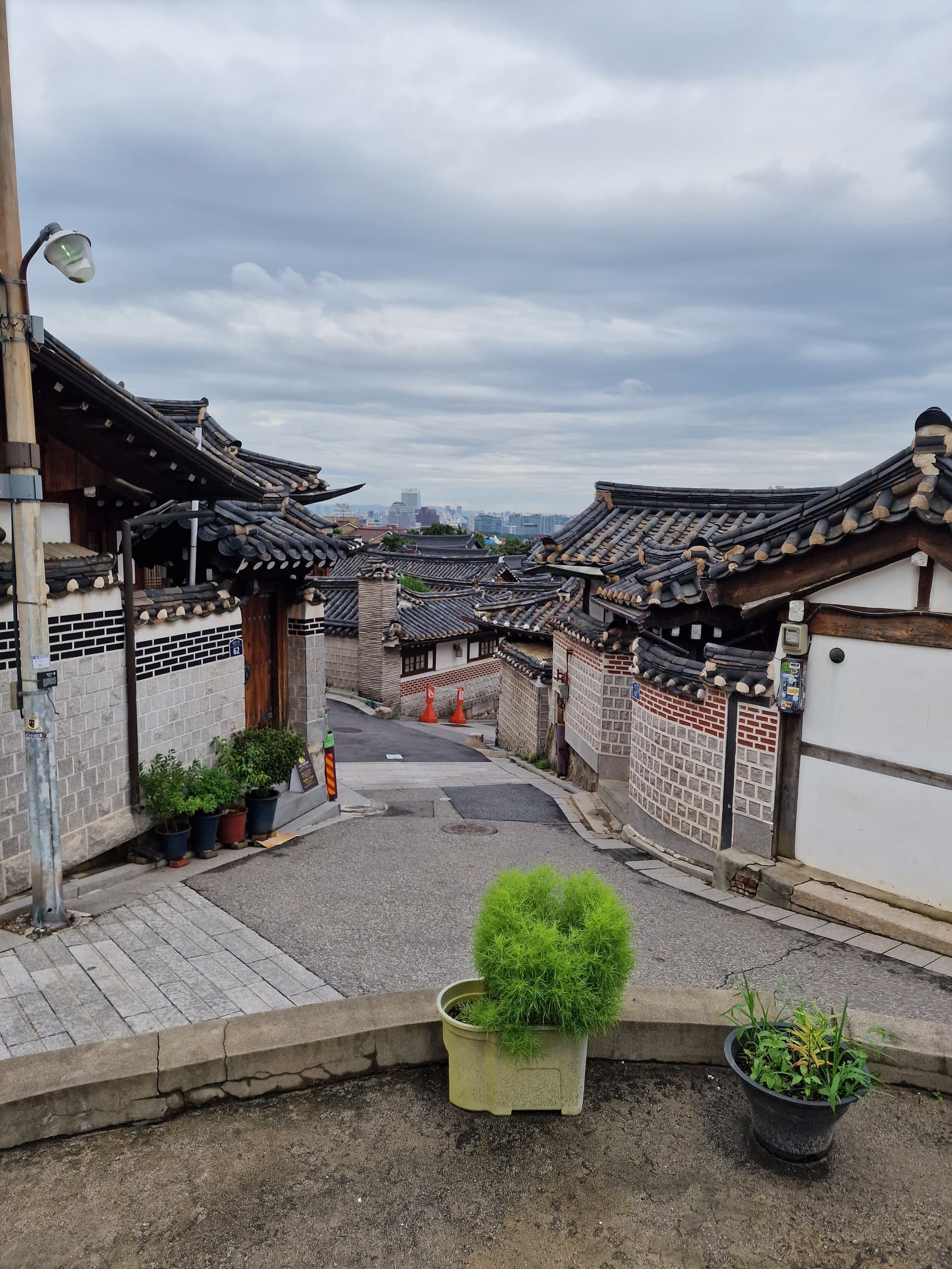
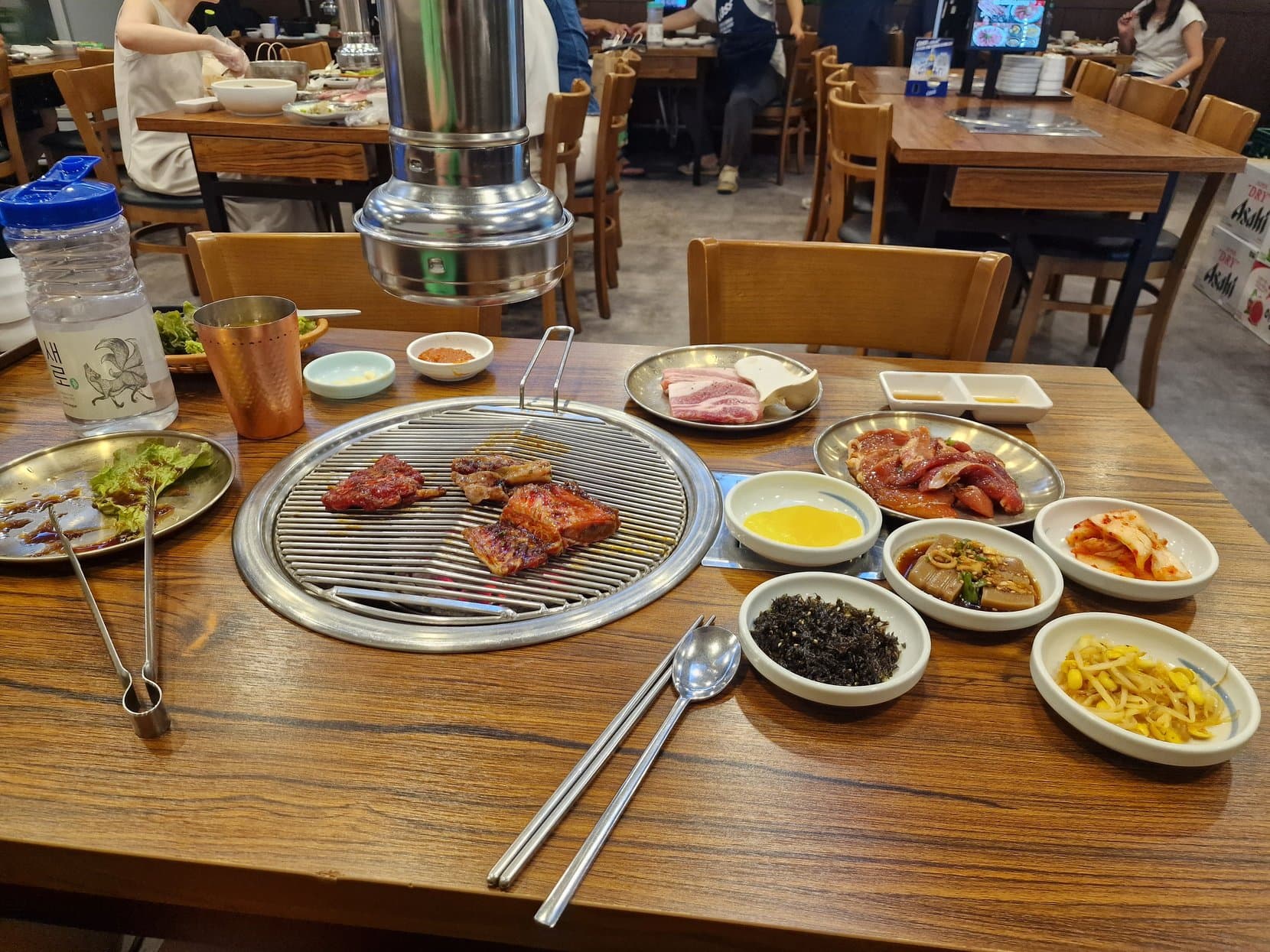
Yes, and Seoul alone justifies the flight. It is a capital where five royal palaces and whole neighbourhoods of traditional houses sit inside a modern mega-city, where the metro makes a weekend feel like four days, and where the food is cheap, communal and better than the raw-meat posters on the restaurant doors suggest. Add a border you can look across and, in July, a beach festival built entirely around mud, and it is one of the better long weekends in Asia. What we cannot vouch for is the rest of the country – Busan, Gyeongju, Jeju – because four days did not reach it.
How many days do you need in Seoul?▾
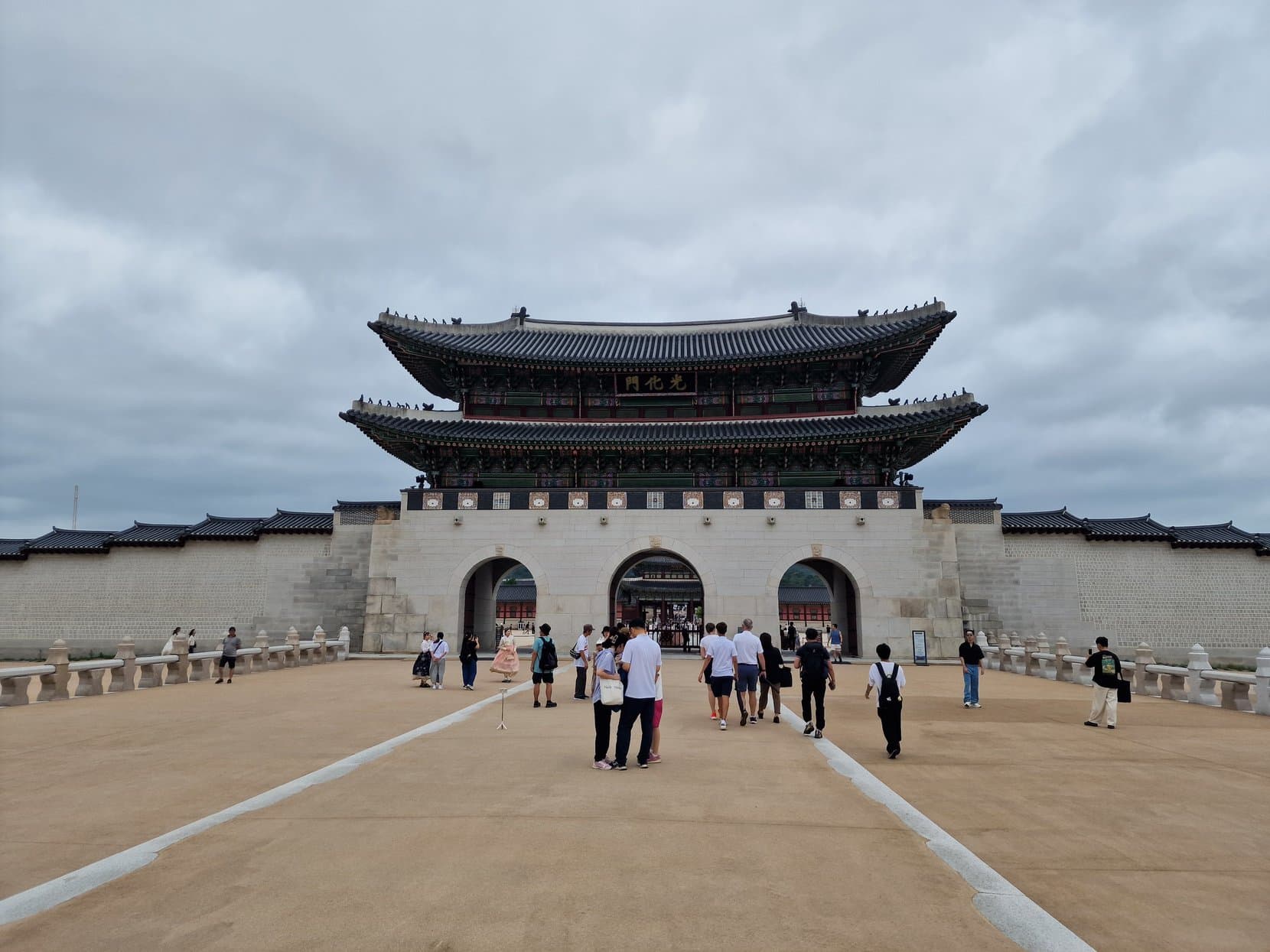
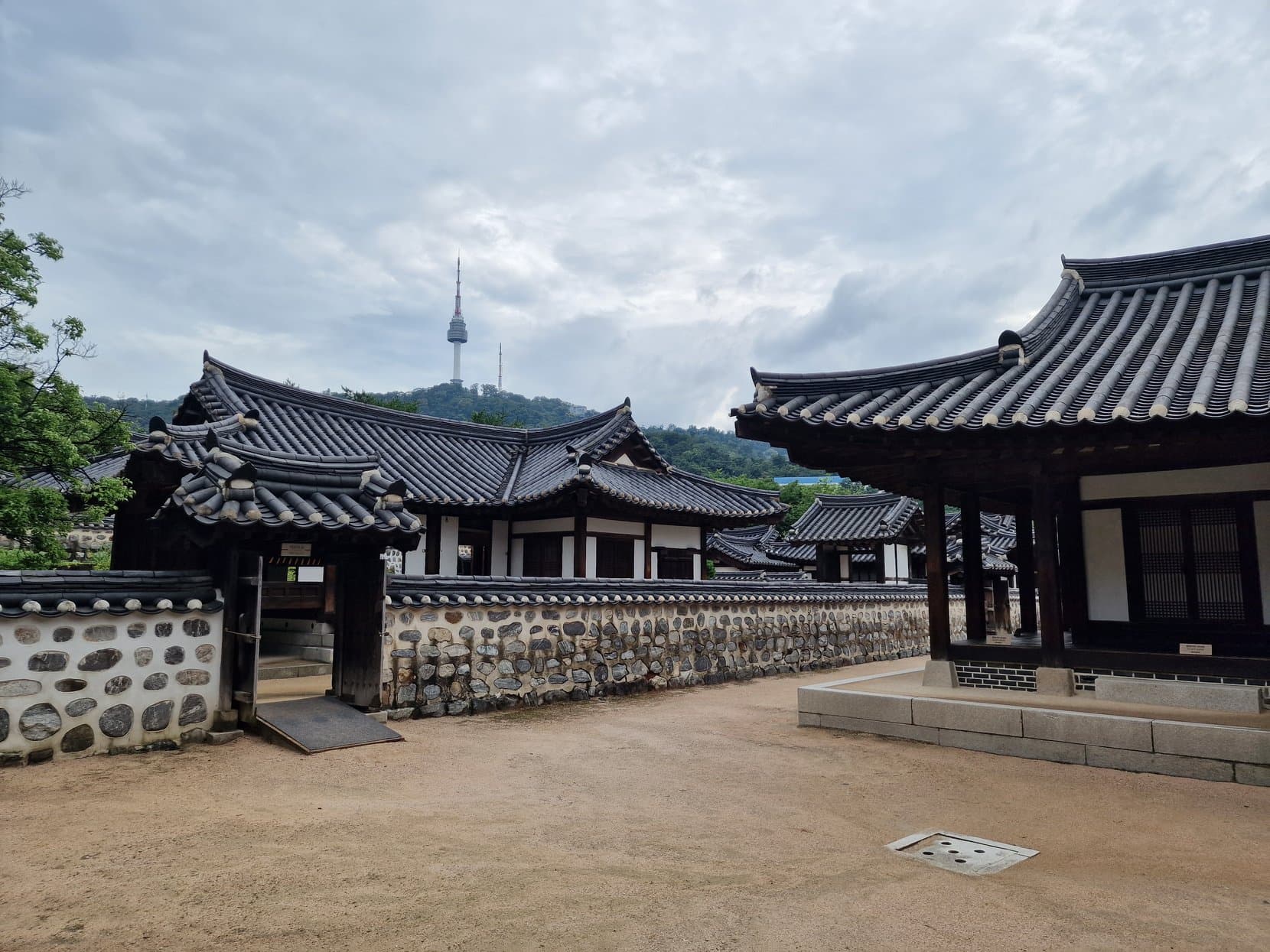
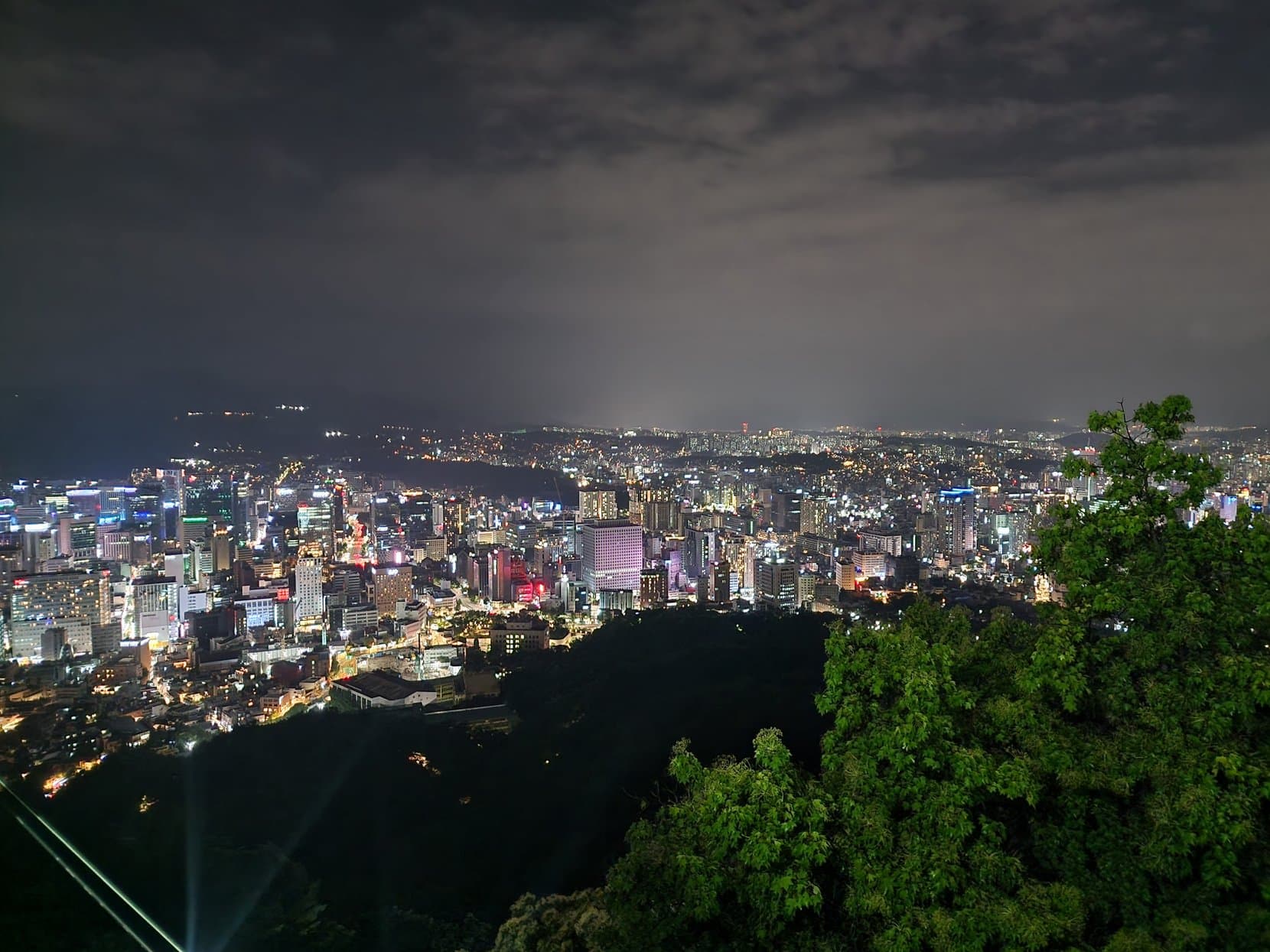
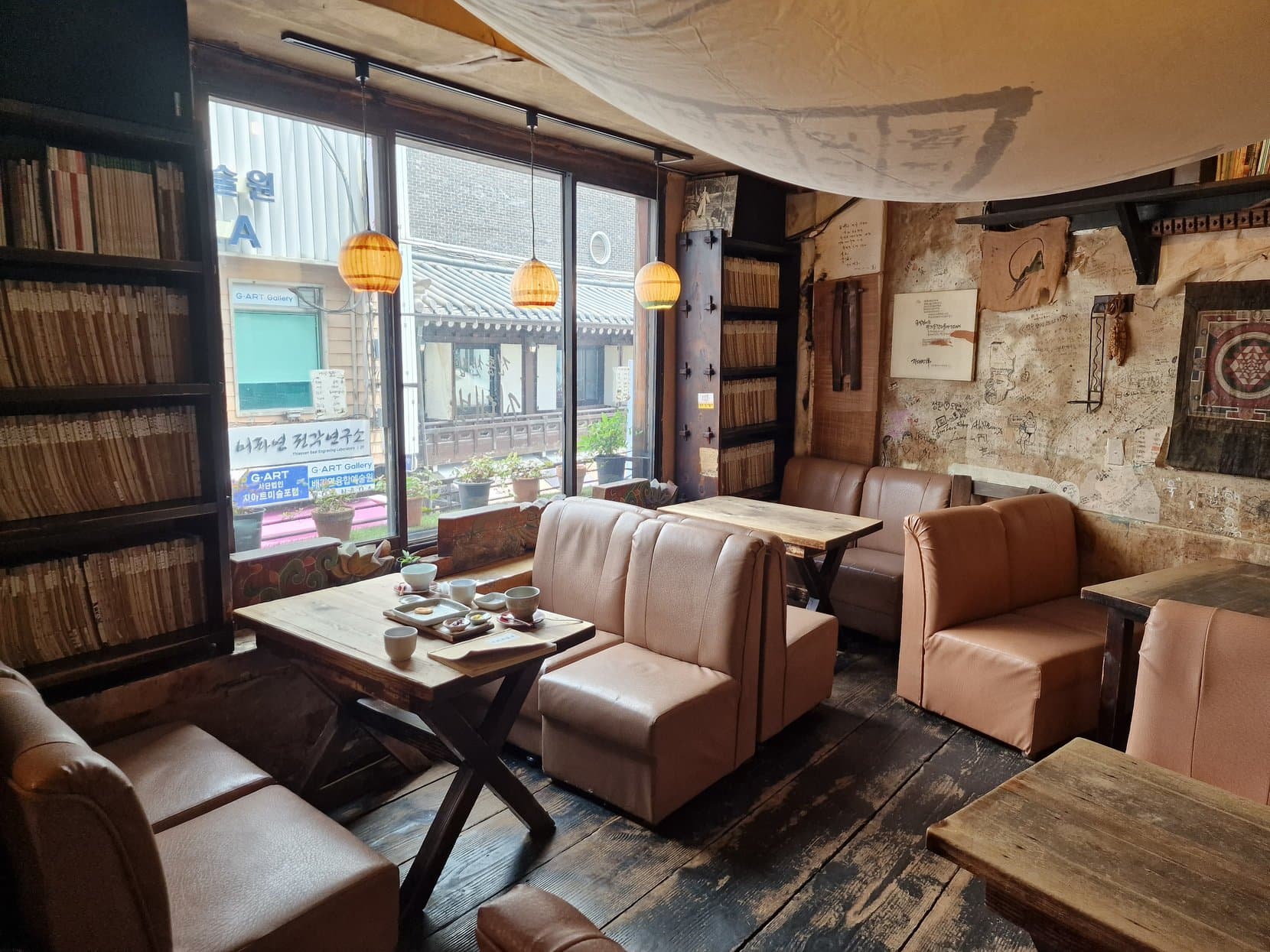
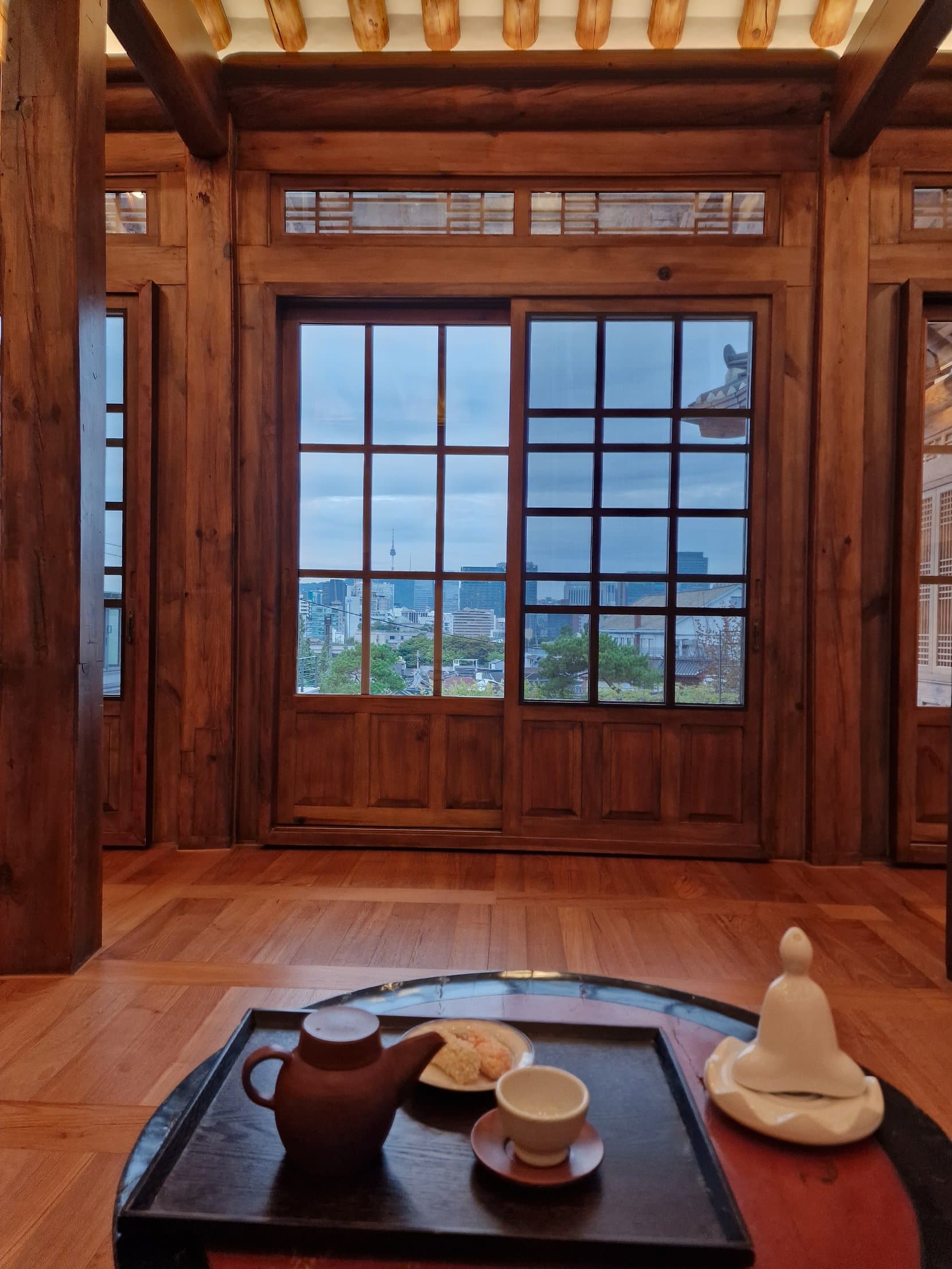
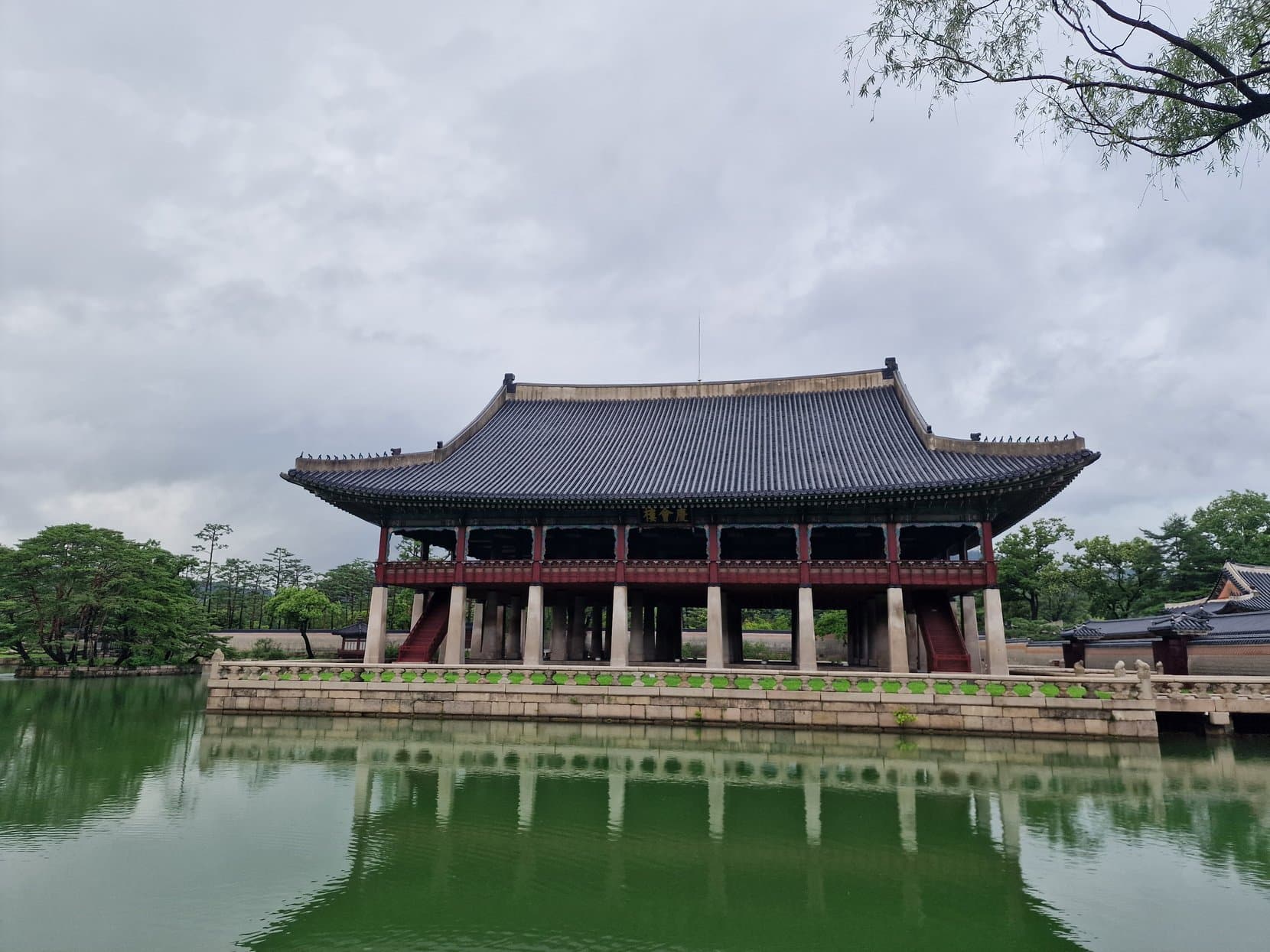
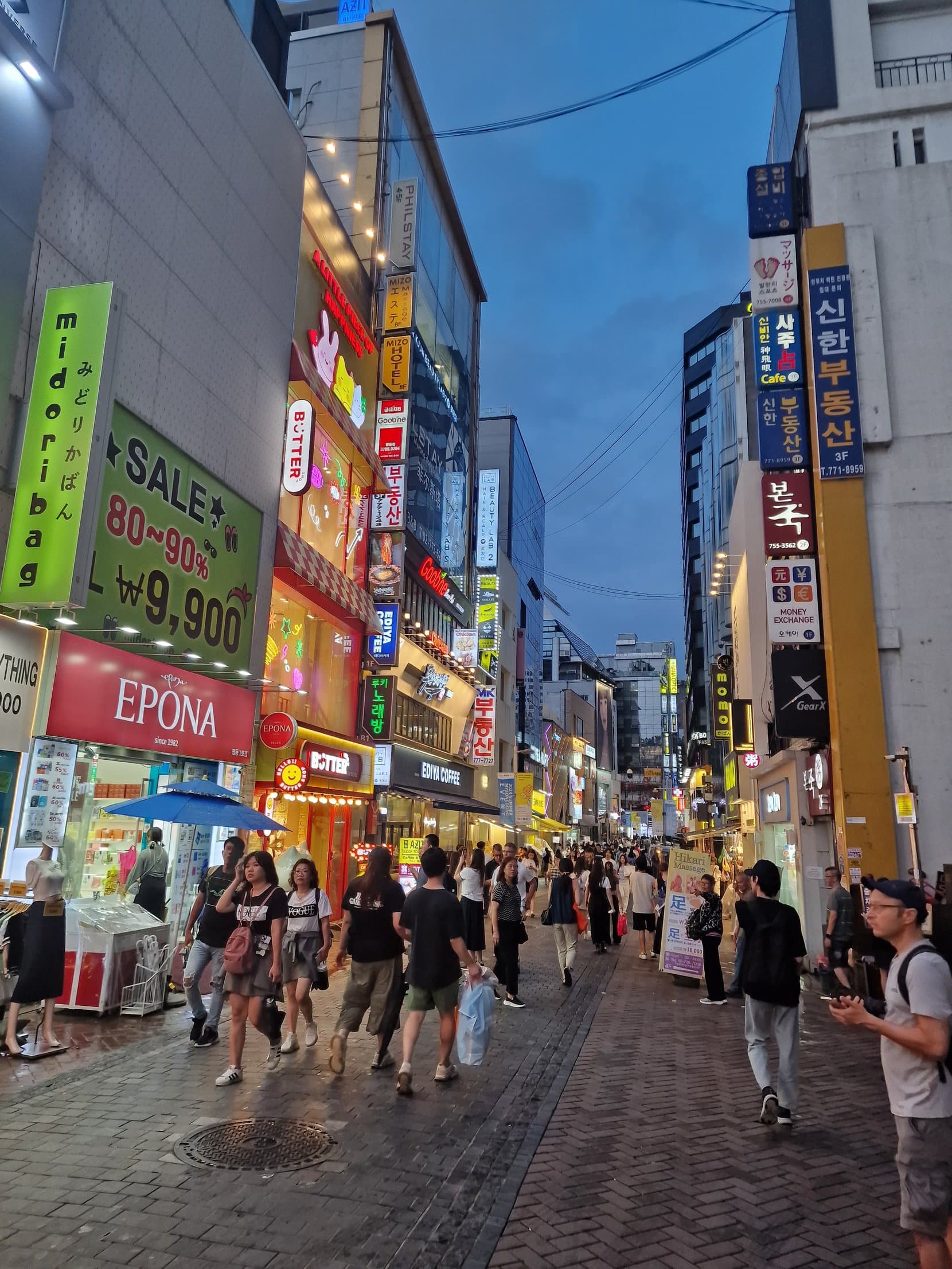
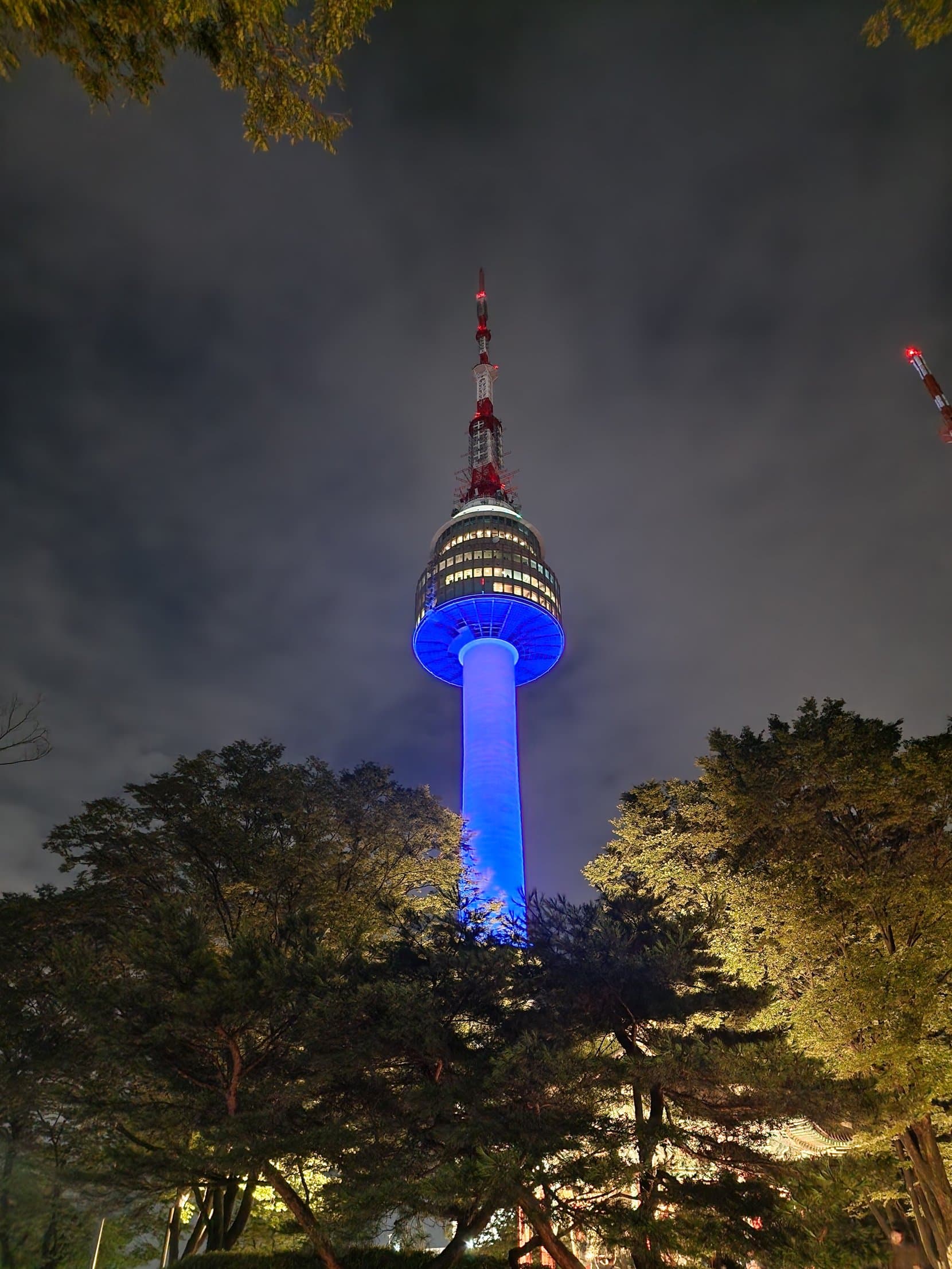
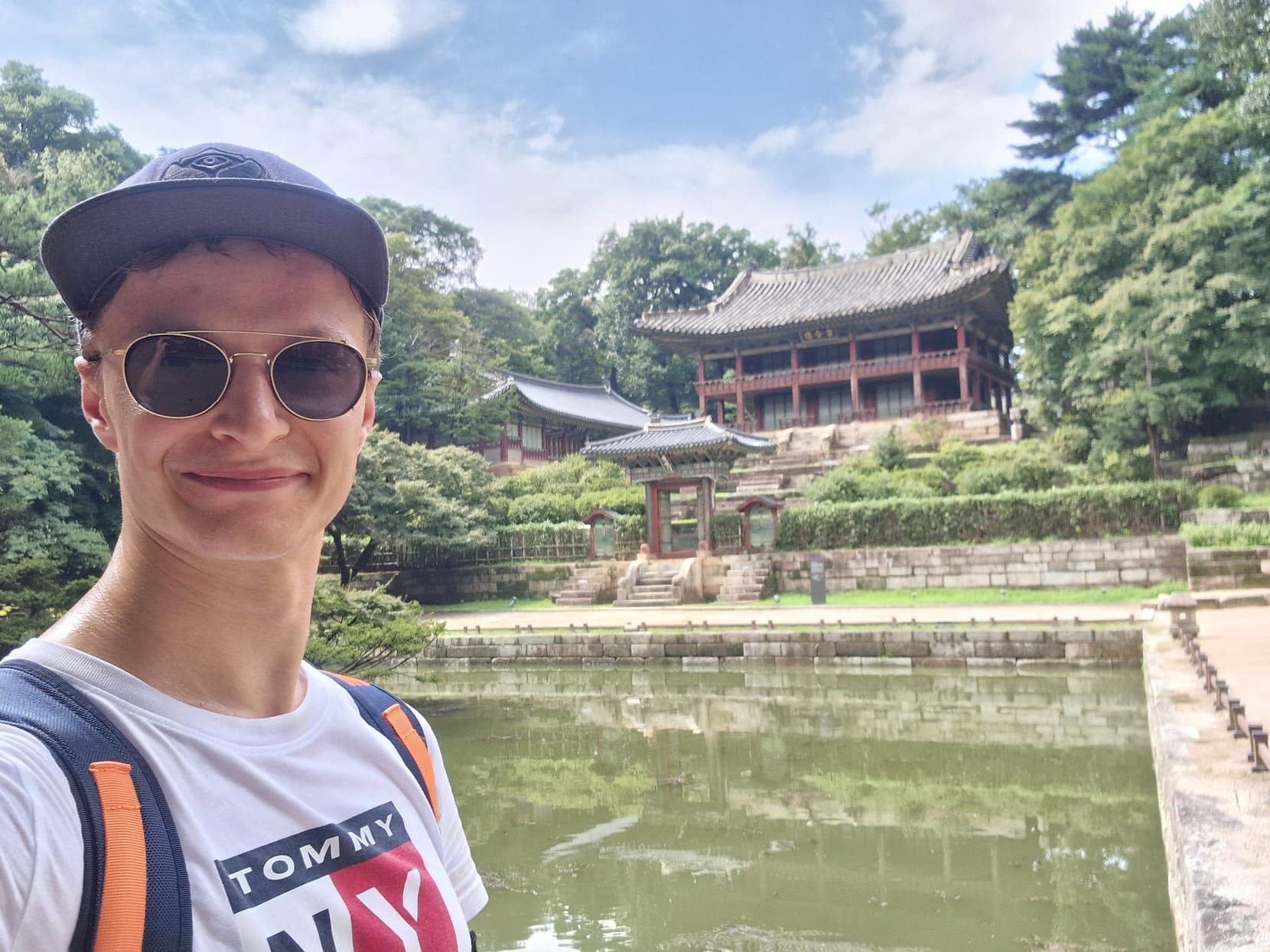
Two full days for the city itself, four if you add the DMZ and one more day trip. Two days used well cover the old city on foot – the palaces, the hanok villages, tea in Insadong – plus Myeongdong after dark and the view from Namsan. The third day is the DMZ, which the whole peninsula is arranged around. The fourth is the mud festival in July or a slower second city day in any other month. A week lets you leave Seoul, but that is a different trip and one we have not tested. The two city days are what the guide times out, hour by hour.
Is a weekend in Seoul enough?▾
For the city, yes – it is the right size for a first visit. The good things sit close together, the metro is excellent, and a weekend built on the old city and the evening city leaves you feeling you saw Seoul rather than changed trains in it. It is not enough for the DMZ as well; that costs a third day, and it is the day worth adding. The guide plans exactly that weekend – both days, the closing days, the beds and the bookings in the order they have to be made.
When is the best time to visit Seoul?▾
October, then April. Autumn gives clear, dry air and the palaces backed by red hillsides; spring gives cherry blossom and mild days but bigger crowds. Late June to August is monsoon followed by heavy, humid heat – we were there at the end of July and it was a sauna – and the only reason to accept it is the mud festival, which cannot be moved. Winter is cold, bright and empty, and a fair choice for a Seoul-only weekend.
Is Seoul safe?▾
Yes – it is one of the safest big cities anywhere, with low violent crime and a metro you can ride at midnight without a thought. Check your government's travel advice before you book, as always, and you will find it says much the same. The North Korean border makes headlines and does not affect a visit; the DMZ is visited on controlled tours and the atmosphere there is tense on purpose.
Do you need a visa for South Korea?▾
Most Western passports do not, for stays of up to 90 days. There is normally an online travel authorisation to apply for beforehand, the K-ETA, but Korea has suspended that requirement for visitors from 22 countries – including the UK, the US, Germany, France, Spain and most of western Europe – until the end of 2026, so at the time of writing you simply fly in. Check the current rule for your passport before booking, because the exemption has a date on it.
Is the DMZ worth visiting from Seoul?▾
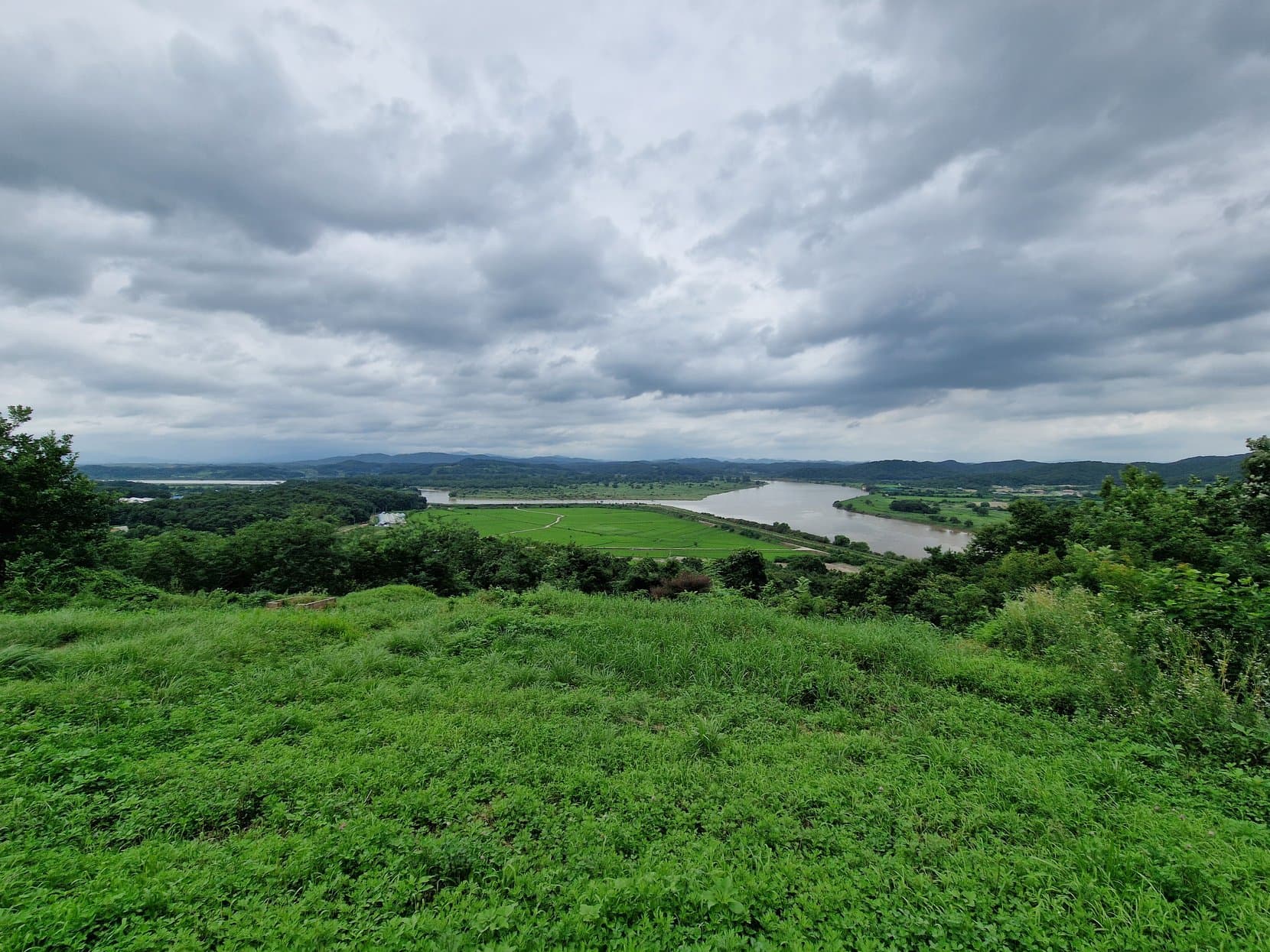
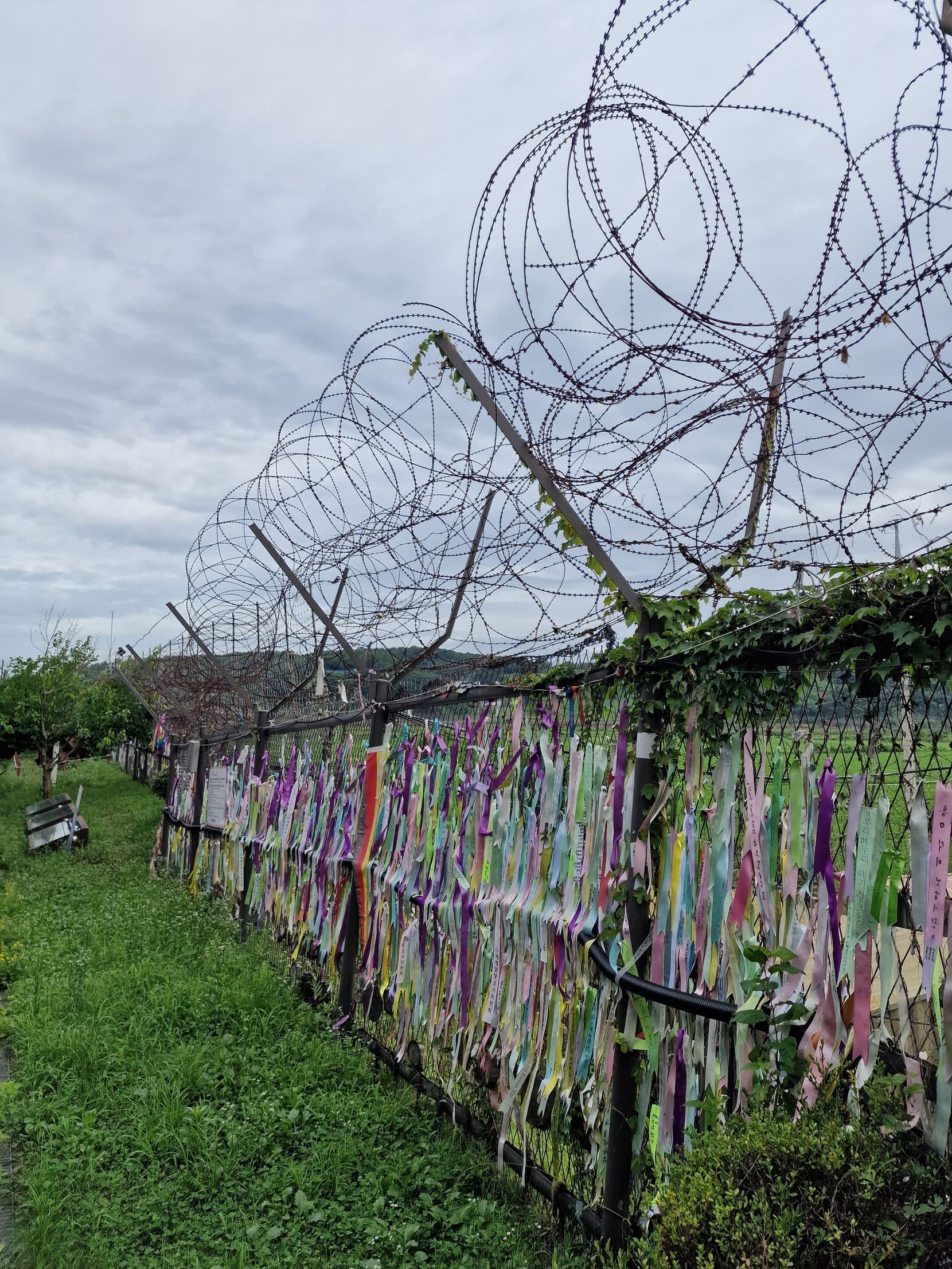
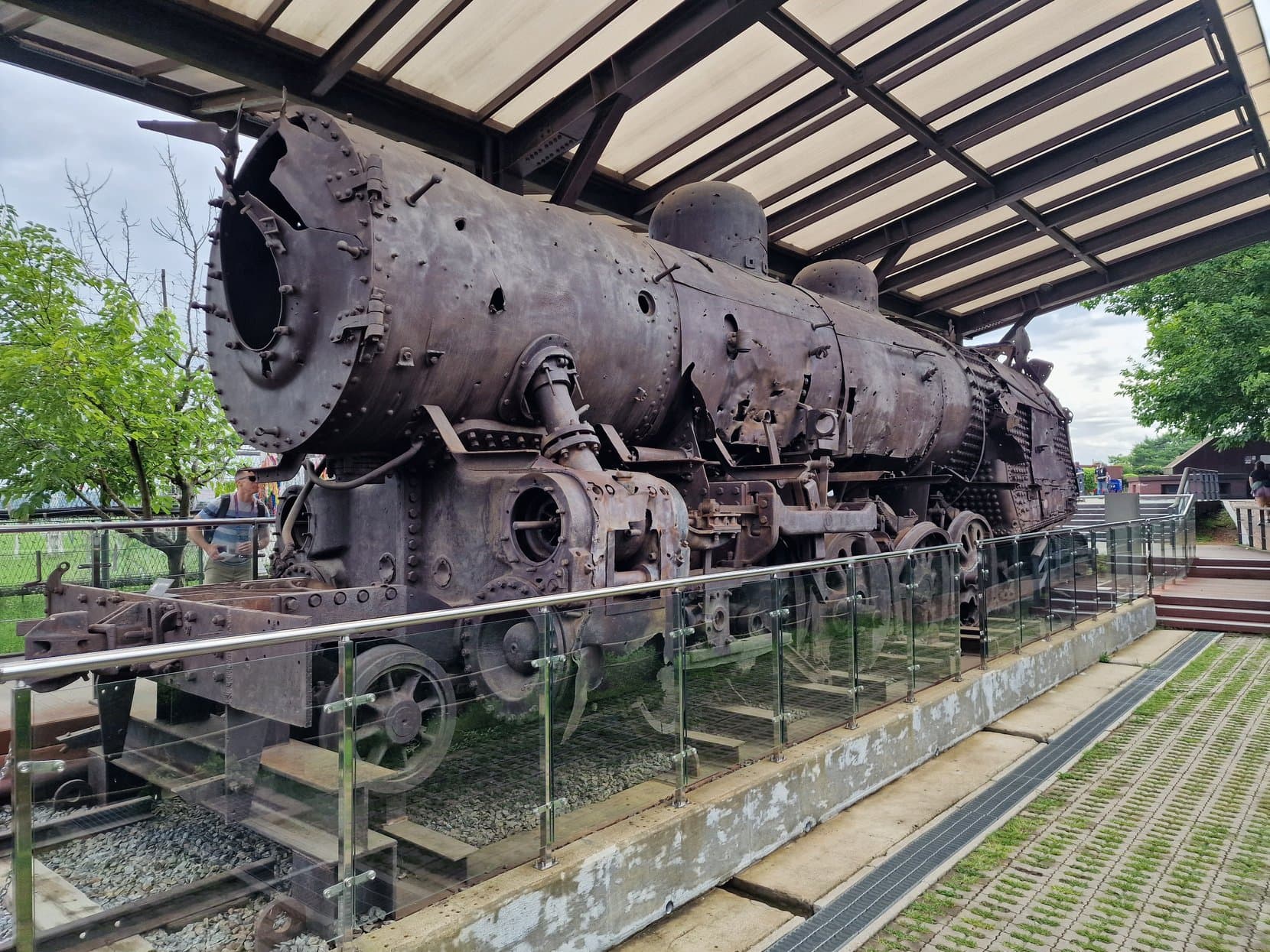
Yes, and it is the one thing here you cannot do on your own. You go on a guided tour, they are all much the same, and the day is a strange, heavy one: the Bridge of Freedom and a bullet-riddled train at Imjingak, a walk into a tunnel the North dug under the border, a hilltop with a clear look across the river at North Korea and its flag, and a gondola over the Imjin to a former American base. You are back in the centre by mid-afternoon, which is the oddest part. It is not a fun day out. It is one you do not forget.
Is Seoul expensive?▾
Getting there is the one unavoidable cost: return flights from western Europe run about €600 booked ahead, and sale prices go well under that. That is what reaching Korea costs, not what the trip costs. On the ground Seoul is cheaper than Tokyo, Singapore or Hong Kong for a visitor – street food and barbecue are cheap, the metro is cheap, the palaces are almost free – and the bed is the only line with real range.
Is the Boryeong Mud Festival worth it?▾
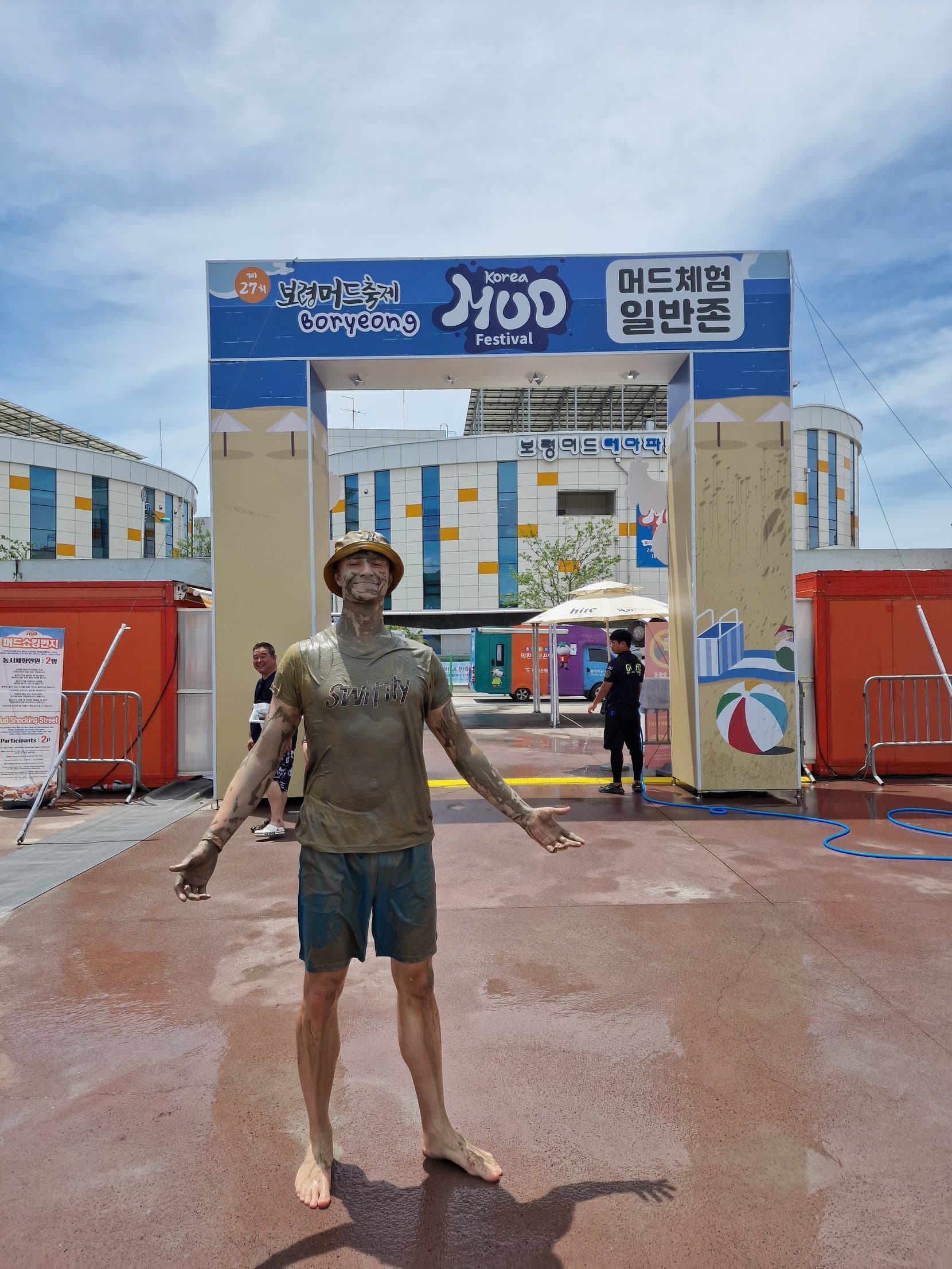
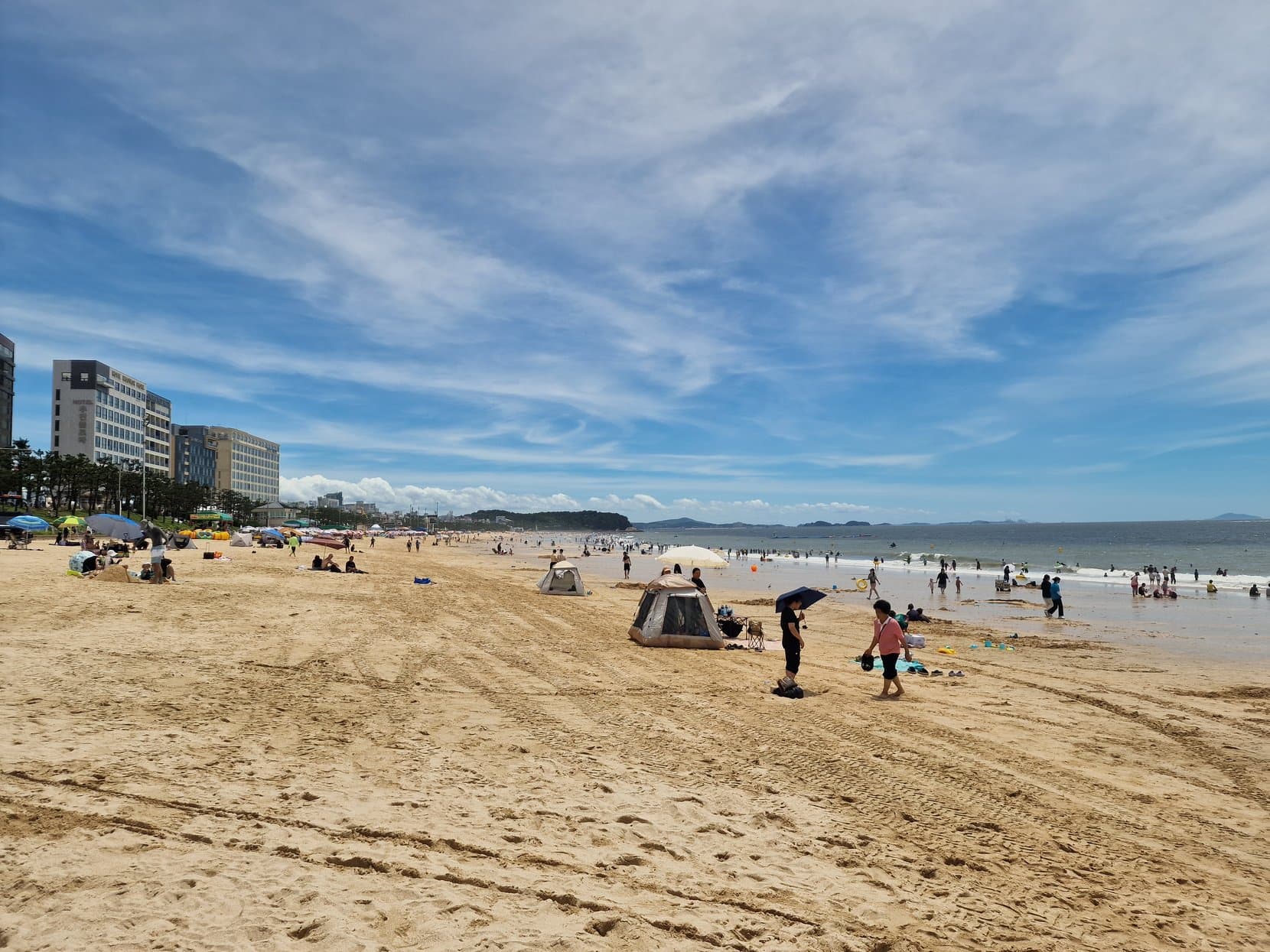
Yes, if a stupid, joyful day is your idea of a good one. It runs for about two weeks from late July at Daecheon Beach, a couple of hours south of Seoul on the west coast: mud pools, mud slides, a mud prison and team games, with the sea right there to rinse off in. Most of the crowd are teenagers and their parents, which changes nothing. It is not deep or cultural, it is a day trip from the capital, and it is the reason to accept July.
Can you wear a hanbok at the palaces, and is it really free?▾
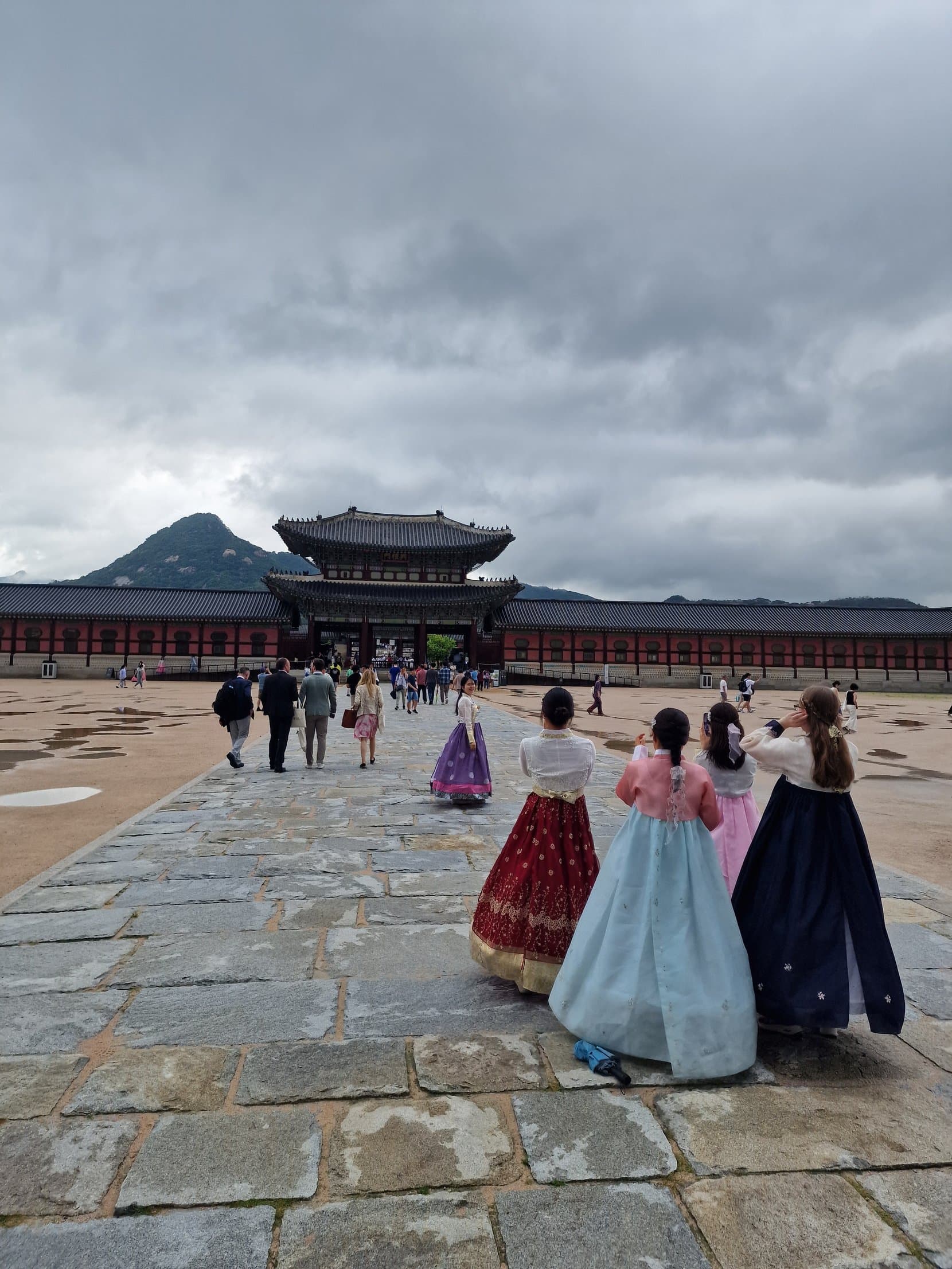
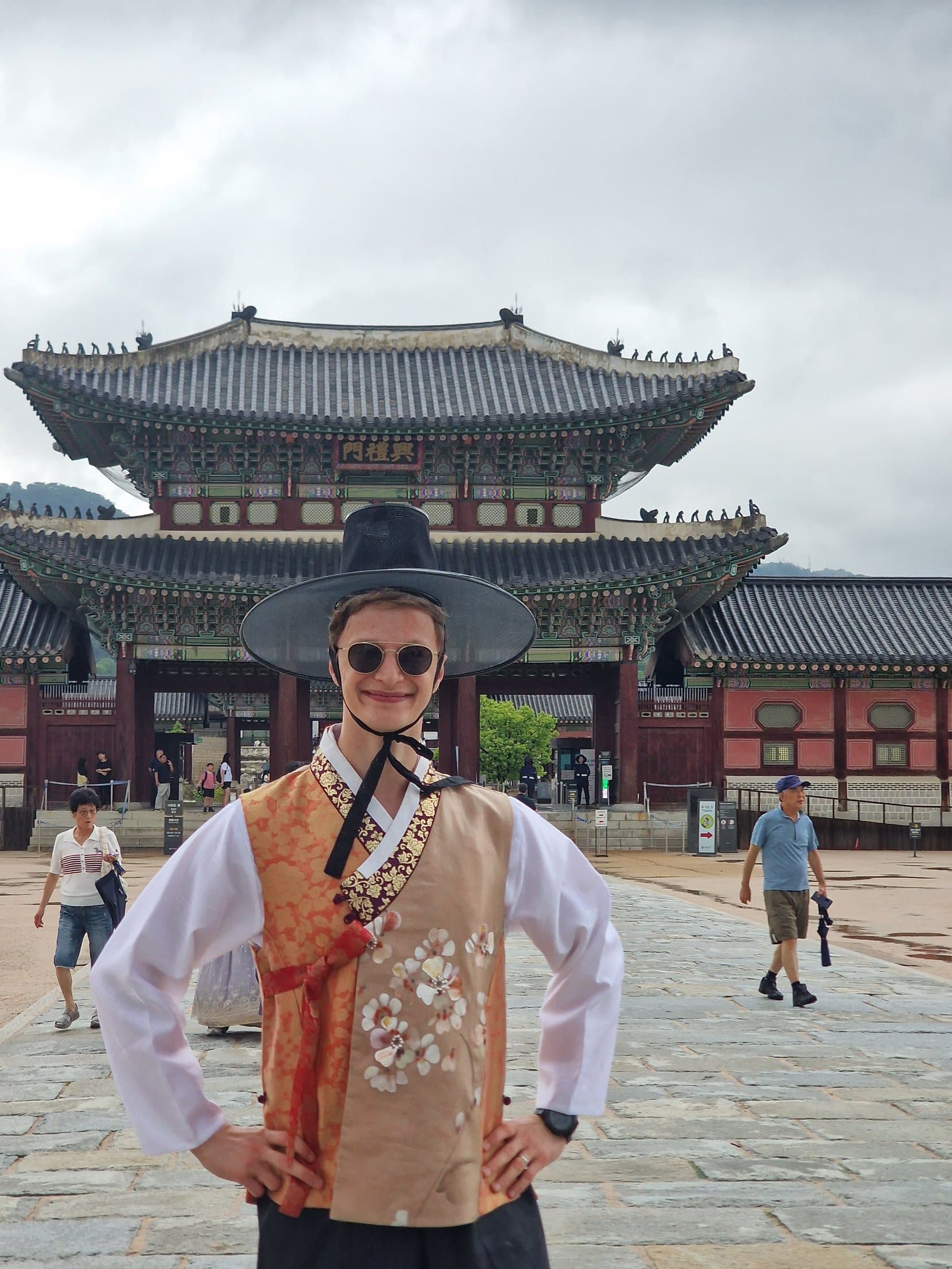
Yes on both counts. Anyone properly dressed in hanbok – the full traditional dress, not a jacket over jeans – enters Seoul's grand palaces free, a policy that has run for years, and rental shops cluster around Gyeongbokgung's gate. The better reason to do it is how it feels: walking the throne-hall courtyard in costume moves you from watching the place to being in it. Emperor Pau-Lee, our founder's palace name for the afternoon, explored every corner. Where to rent, when to arrive and how the free entry works are in the guide.
Does Google Maps work in South Korea?▾
Not for directions – it will show you where things are but will not route you on foot or by car, for legal reasons that have nothing to do with you. Every local uses one of two Korean map apps instead, and they work in English well enough. Install one before you land; it is the single most useful thing on your phone in Seoul.