Saint-Louis · Senegal · Africa
Saint-Louis: the faded French capital on a river island
After a week of Mauritania, an island of colonial streets – and the first beer in days.

Tested by Paulius Pikelis · 140 countries


We rolled into Saint-Louis at the end of a long day: four hours arguing our
way across the border at Diama, and before that, a week of Mauritania –
desert roads, warm water bottles, and a country where you cannot order a
beer, because there is none to order.
Saint-Louis is the old French colonial capital of Senegal, built on a
narrow island in the Senegal River and reached over an iron bridge. On
paper that makes it a heritage stop. Arriving from the north, it felt like
something simpler: a nice, touristy town – and after Mauritania, we mean
that as a compliment.
We spent the evening doing almost nothing, deliberately. We walked. The
streets still carry the colonial period on their facades, and the light at
the end of the day was kind to them – peeling walls, old balconies, the
bridge, the fishing quarter across the water. No schedule, no waypoints,
just a slow loop around an island small enough to cover on foot.
And then the part we had been waiting a week for: a restaurant table, a
menu, and a beer that somebody poured for us legally. We ate well – a few
of the restaurants genuinely surprised us – and sat there longer than we
needed to.
One evening is not a claim to know a town, and we saw Saint-Louis at its
most flattering hour. But that evening did something specific: it marked
the line where the trip changed countries in more than the legal sense.
Sometimes the reason a place lands is not what it is, but what you drove
through to reach it – and Saint-Louis, after the desert, landed.
More from Senegal
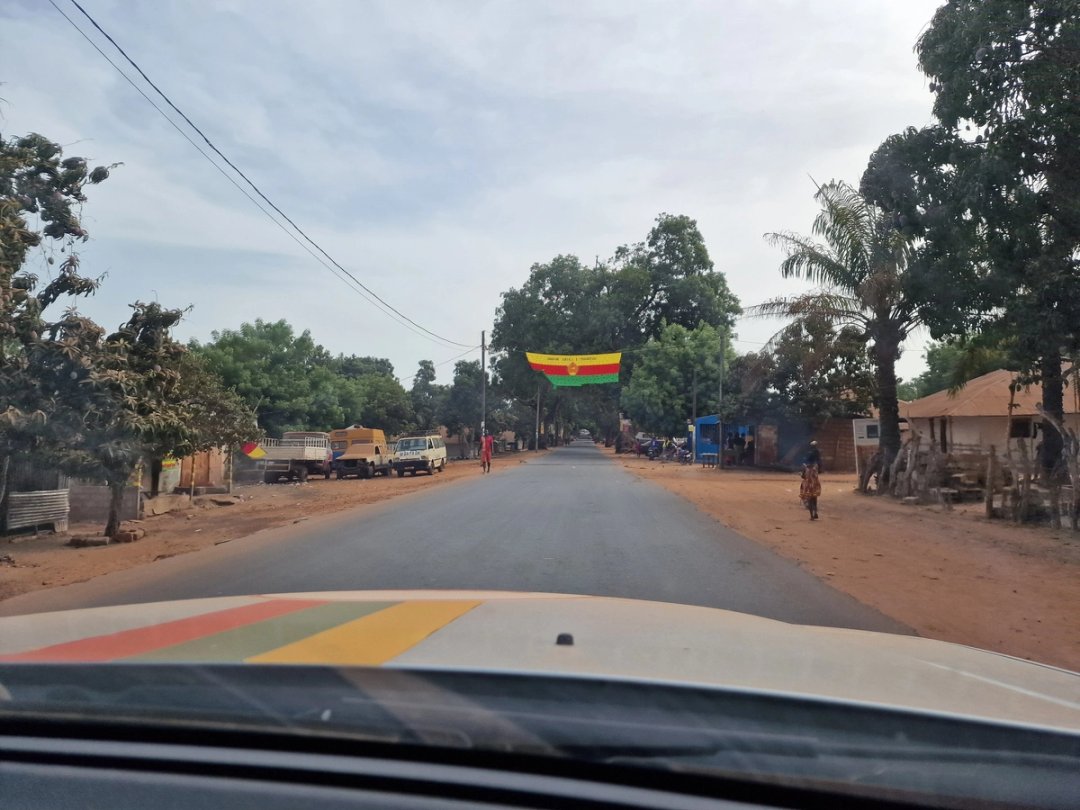
Driving through Casamance, the Senegal the advisories flag
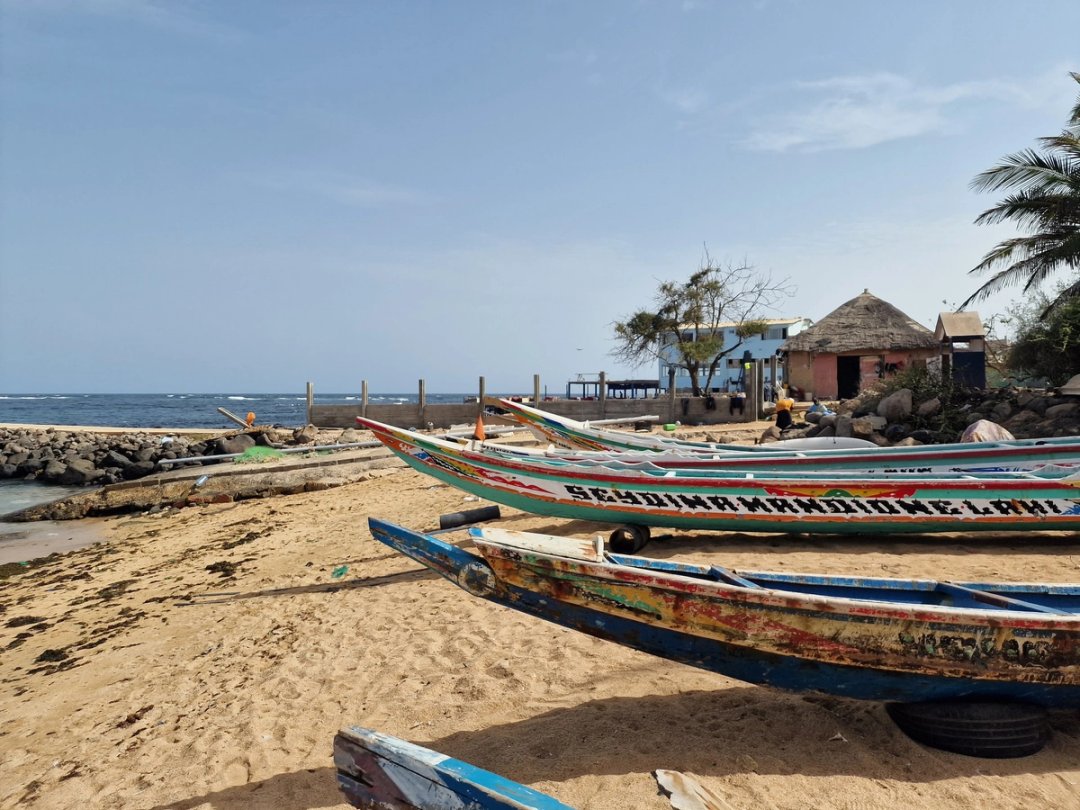
Driving into Dakar, the end of the desert
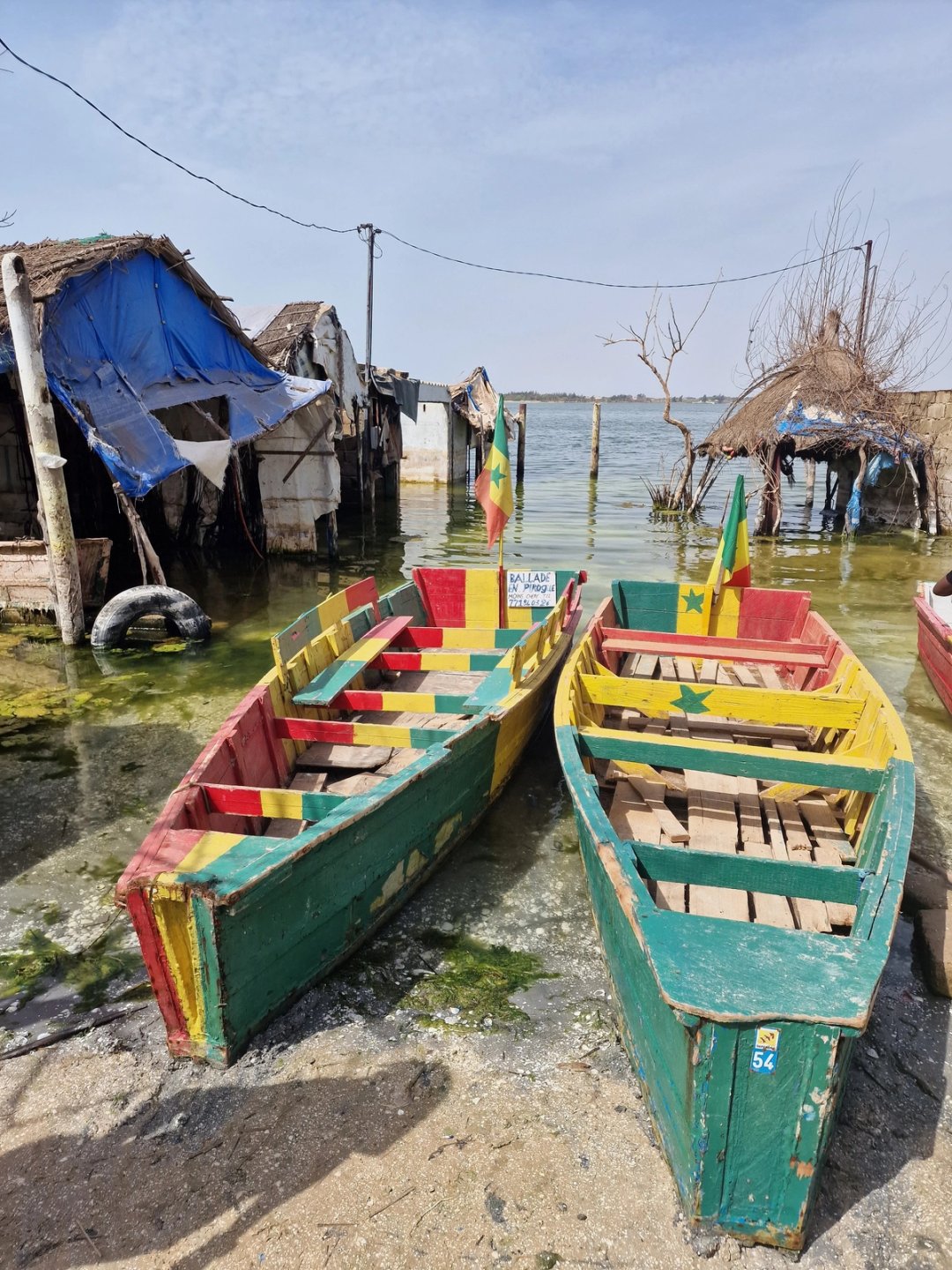
Lac Rose: the pink lake that was green