Cape Coast Castle, Central Region, Ghana · Ghana · Africa
Cape Coast Castle and the Door of No Return
A white fort over a fishing beach, cellars beneath a chapel, and a door onto the sea.

Tested by Paulius Pikelis · 140 countries


From the road it is a white fort above a working beach, with fishing boats pulled up
below it and children playing in the surf. It is genuinely beautiful, which is the
first thing that is difficult about it.
Cape Coast Castle was the largest of the slave-trade fortresses on this coast, and
for a long stretch of the transatlantic trade it was one of the main places on earth
through which people were sold and shipped. A few kilometres west at Elmina there is
another, older still, built by the Portuguese and the first European trading post on
this gulf. We went to both. They are close enough to see in a morning, which feels
wrong as a sentence and is nonetheless how people visit them.
You go down into the cellars. They are low, dark rooms cut into the rock under the
courtyard, and they held hundreds of people at a time for weeks. There is a channel
worn into the floor. Above them, on the same footprint, is the chapel. That is not a
detail somebody has arranged for effect; it is how the building was designed, with
services held directly over the rooms below.
The last thing you walk through is a low doorway in the sea wall. Through it is the
beach, the water, and the ships that were waiting. It is called the Door of No
Return, and almost nobody who went through it came back.
I do not have anything clever to say about it, and I think the wanting to is part of
the problem. We were quiet on the way out. If you are anywhere on this coast, go, take
a guide, and give it the morning rather than the hour. Then go and stand on the beach
below and look back up at it.
More from Ghana

Ghana: the one country we were not keen to come back to
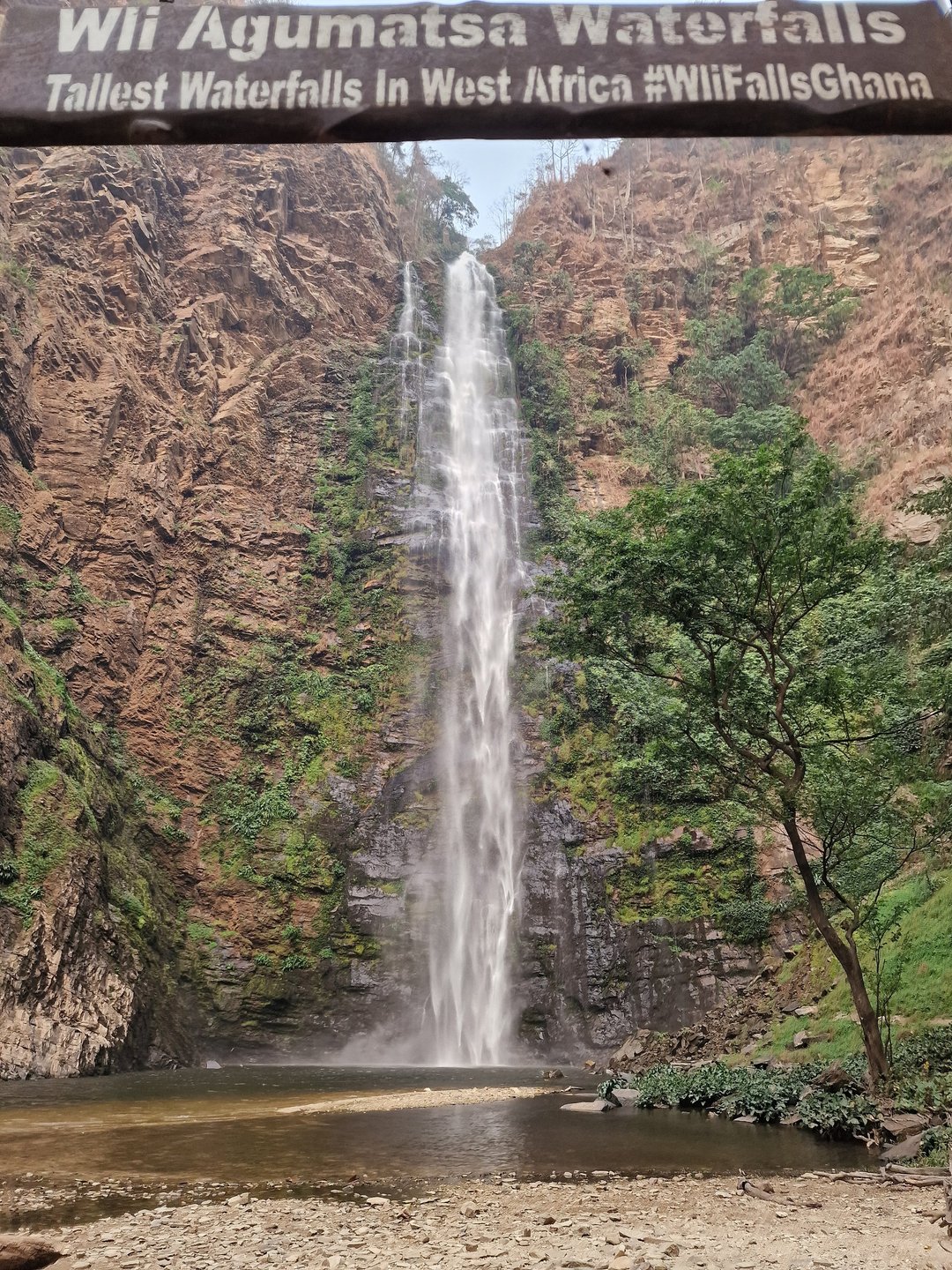
Wli Falls, and the one that was dry
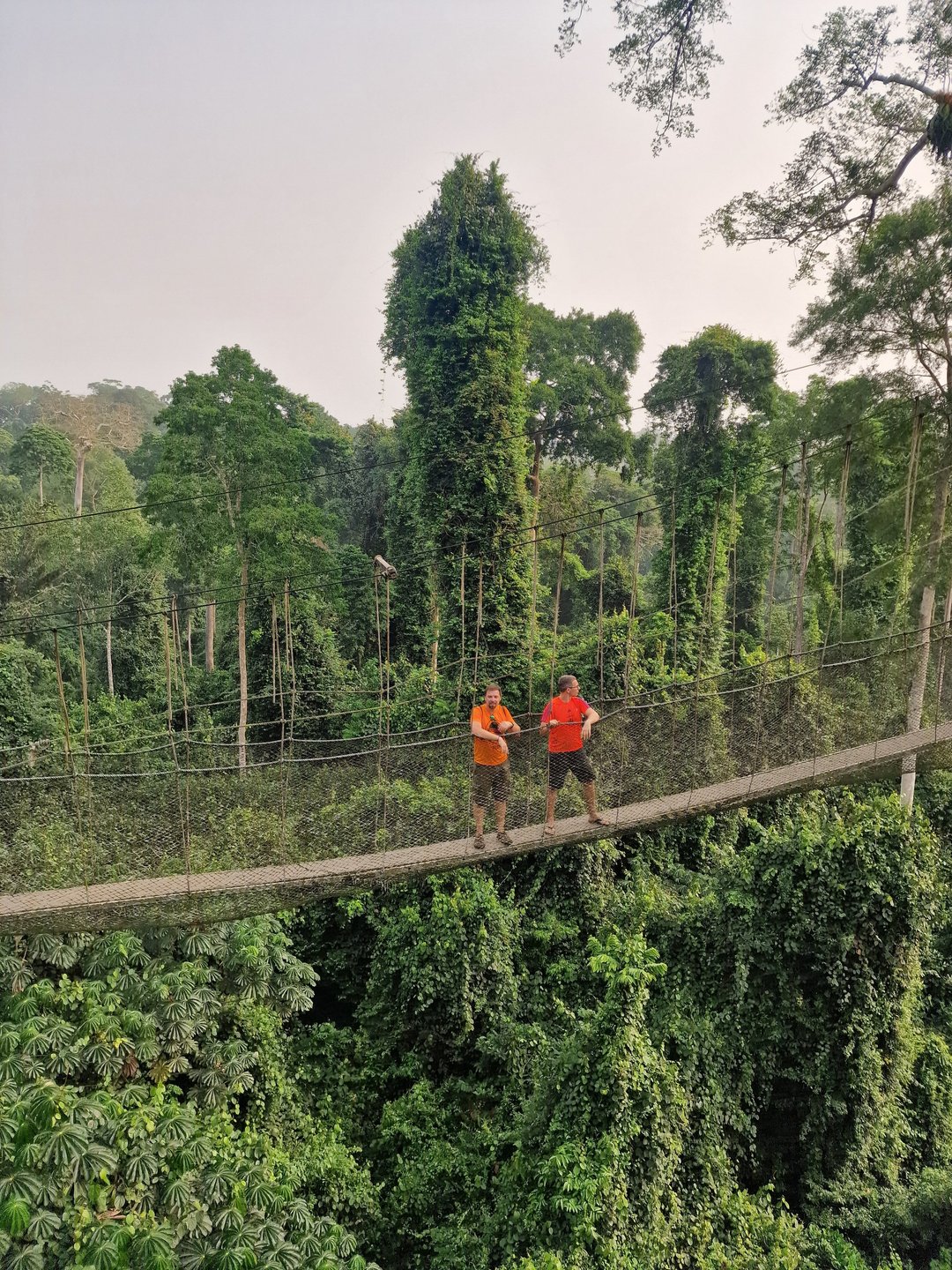
The Kakum canopy walk, and the sweat that comes with it