TestedRoutes
GuidesDestinationsInspireAbout me

TestedRoutes Newsletter

Field-tested travel routes, in your inbox when they drop.

© 2026 TestedRoutes. All rights reserved.

ContactFAQLegalTermsPrivacyRefundsSecurityAffiliate disclosureSitemap

We independently review everything we recommend. When you buy through our links, we may earn a small commission at no extra cost to you. More on how this works.

ExploreGuidesDestinationsInspireAbout
Destinations›Canary Islands›Tenerife

Canary Islands · Spain

Tenerife

How many days you need, which side to stay on, and when to go – the biggest Canary island, tested from the caldera to the coast.

Paulius Pikelis

Tested by Paulius Pikelis · 140 countries

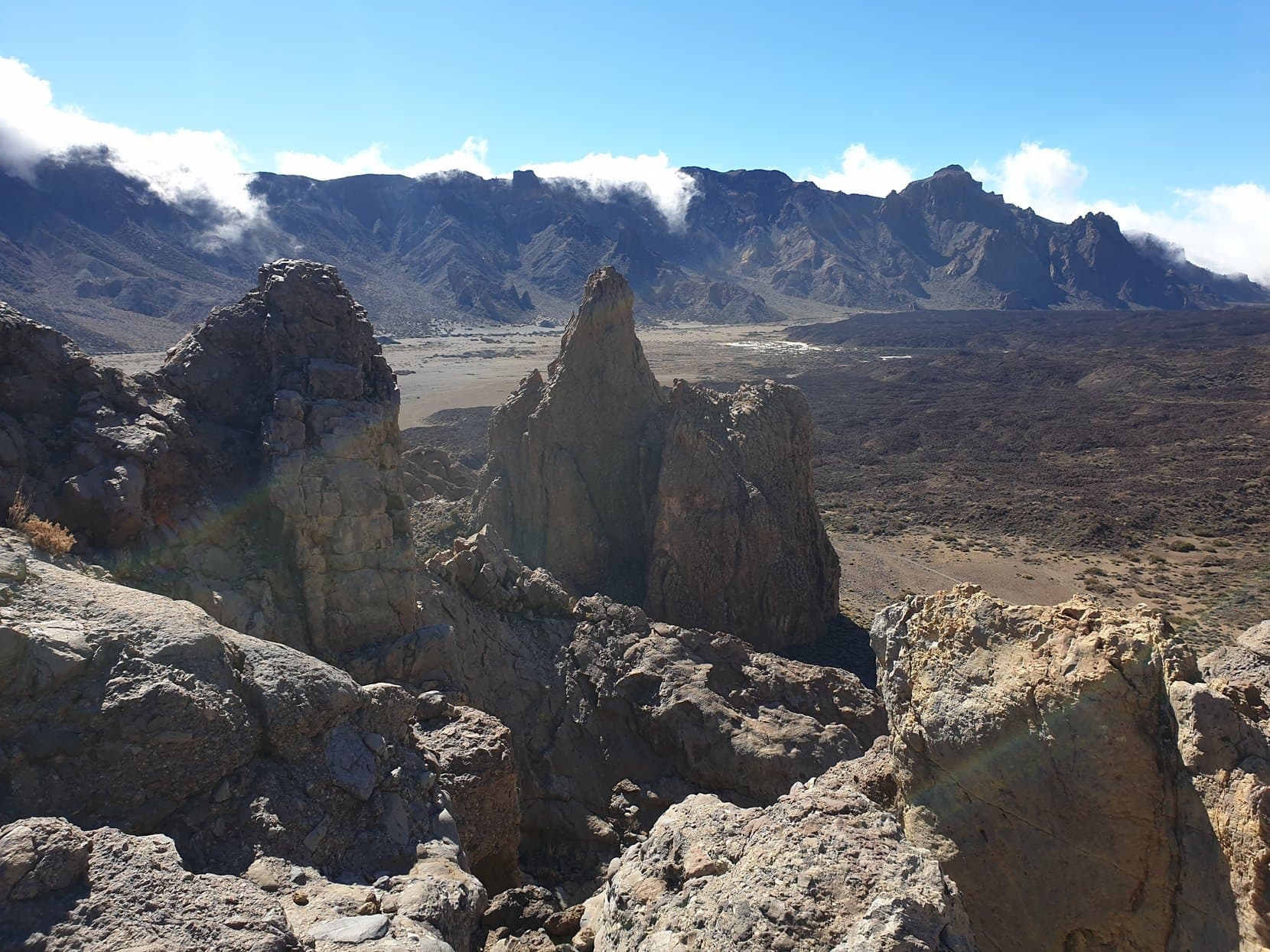
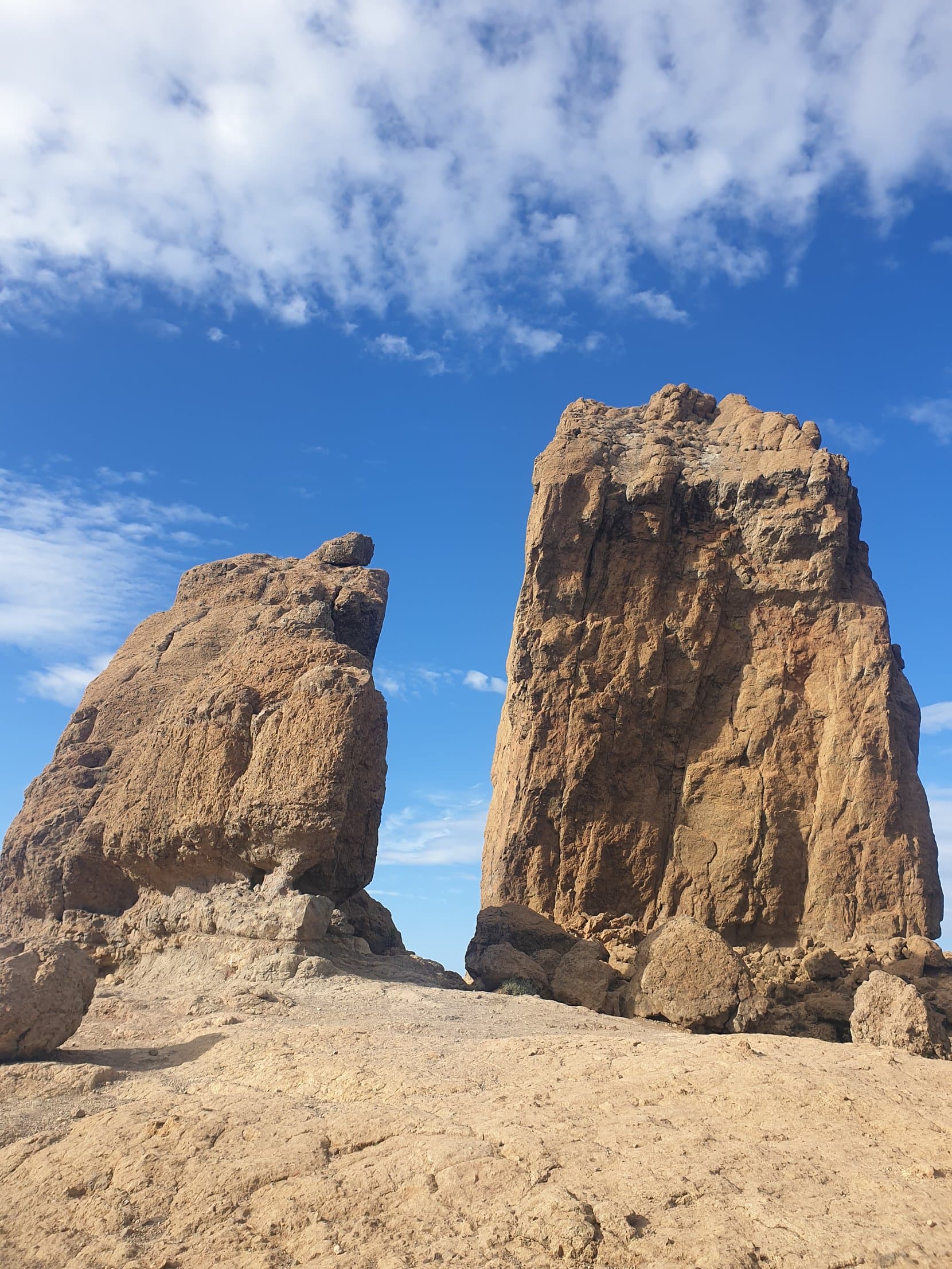
The Roques de García spires over the Llano de Ucanca, with cloud spilling over the caldera rim, Tenerife

Is Tenerife worth it, and what do you actually do there

Tenerife was the island everyone I knew kept flying to, which is precisely why I put it off for years. Then we drove it for four days as part of a four-island November run, and the verdict is uncomplicated: it is the big-ticket island of the Canaries, and the single sights here outrank anything else in the archipelago. You drive up through the cloud layer and come out above a white sea with Spain's highest peak in the windscreen. That moment alone settles the worth-it question.

What you do splits into four different islands wearing one name. There is the volcano: Teide and its caldera, a moonscape of lava plains and rock spires that fills a day even when - as happened to us - the wind cancels the cable car. There is the green island: the Anaga range in the northeast, laurel forest over knife-edge ridges, roads that tunnel through moss and fall to black-sand coves. There is the old island: La Laguna, La Orotava, Garachico and its lava pools, proper historic towns that nobody associates with Tenerife until they stand in one. And there is the sunshine machine of the south coast, which is exactly what its reputation promises - and ten minutes deep.

The honest structure of the trip: base yourself where the weather is, spend your days where the island is. The trade clouds pile on the northern slopes, so the north is greener and greyer while the south bakes; we based in Costa Adeje and slept twice in the north-coast towns, and that split - south for warmth, north for character - is the one decision we would repeat exactly. Everything else follows from it.

When to go

Tenerife works all year - the month decides the trade-offs, not whether the trip happens. Remember it holds three climates at once: coast, cloud belt, and high mountain.

November to March

Winter sun is the island's franchise: shirt-sleeve afternoons on the south coast and a swimmable sea while the rest of Europe is grey. Two honest caveats from testing November - the north keeps more cloud than the brochure admits, and up on Teide it is a different season entirely, sometimes with snow on the peak.

April to June

The green months. The north and the Anaga ridges are at their best, the mountain roads are clear, and the crowds dip between the winter escape and the summer holidays.

July and August

Hottest, busiest, most family-priced. The south runs at full capacity; the high caldera is at its most reliable for a clear Teide day.

September and October

The sea at its warmest and the summer crowds gone - the quiet sweet spot if swimming matters more than green hillsides.

What I would pick

For the winter-escape magic, November to February and a south-coast base, accepting cloudier days if you cross north. For hiking and the green north, late spring - paying with a cooler sea and none of the midwinter smugness.

How long to stay

A long weekend

Works as winter sun plus one Teide day, and that is all it works as. You will drive past most of what makes this island the archipelago's number one, and the Teide booking risk (see the FAQ) sits badly on a schedule with no spare day.

Five days

The length most itineraries pick and the sources call barely enough - we agree. Teide, Anaga, the west coast and a couple of coast days fit, but only if nothing goes wrong, and on this island the wind sometimes votes.

Seven days

Right. A full Teide day with a weather margin, the Anaga ridges, Masca and the west, the north-coast towns, the old capitals, and beach days between them - without the trip feeling like a checklist.

Pairing islands

Tenerife pairs naturally with Gran Canaria by ferry - the two-island week is barely more logistics than choosing between them. For that decision, the archipelago page is the place to start.

Deciding between islands rather than within one? Start from the Canary Islands page, which compares all four.

The island, in four parts

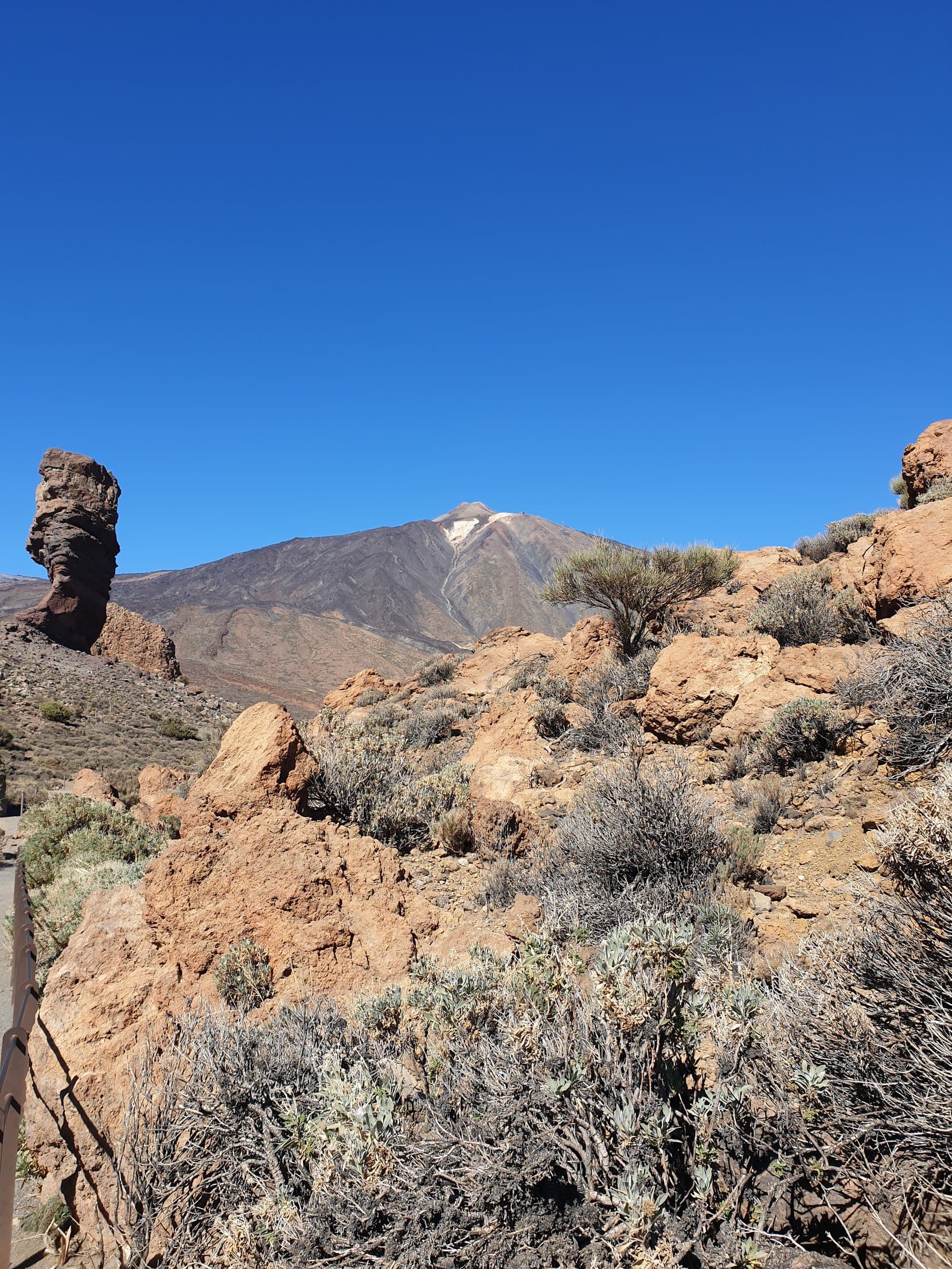
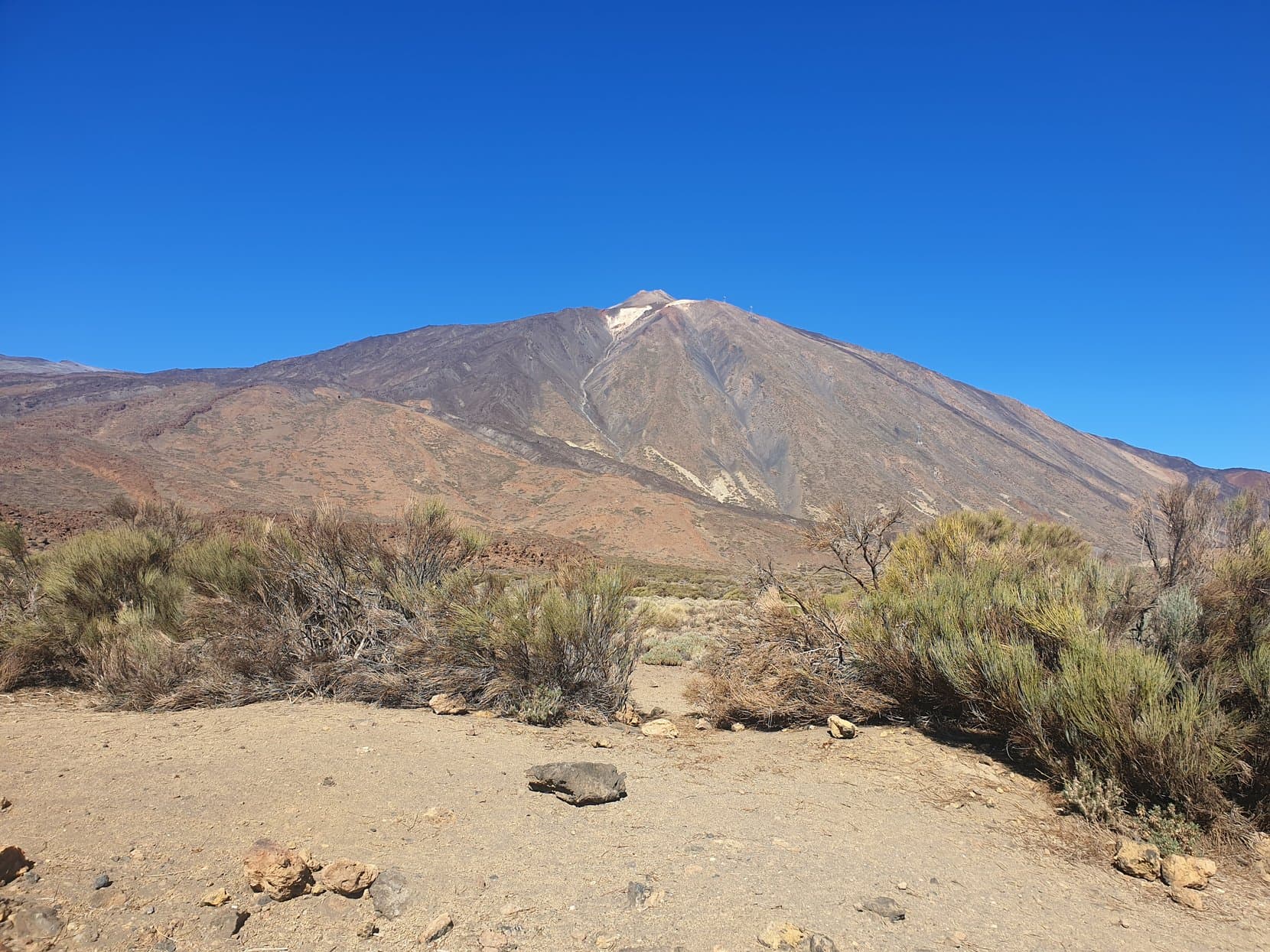
The bare cone of Mount Teide under deep blue sky, seen across the caldera scrub, Tenerife

Teide and the caldera

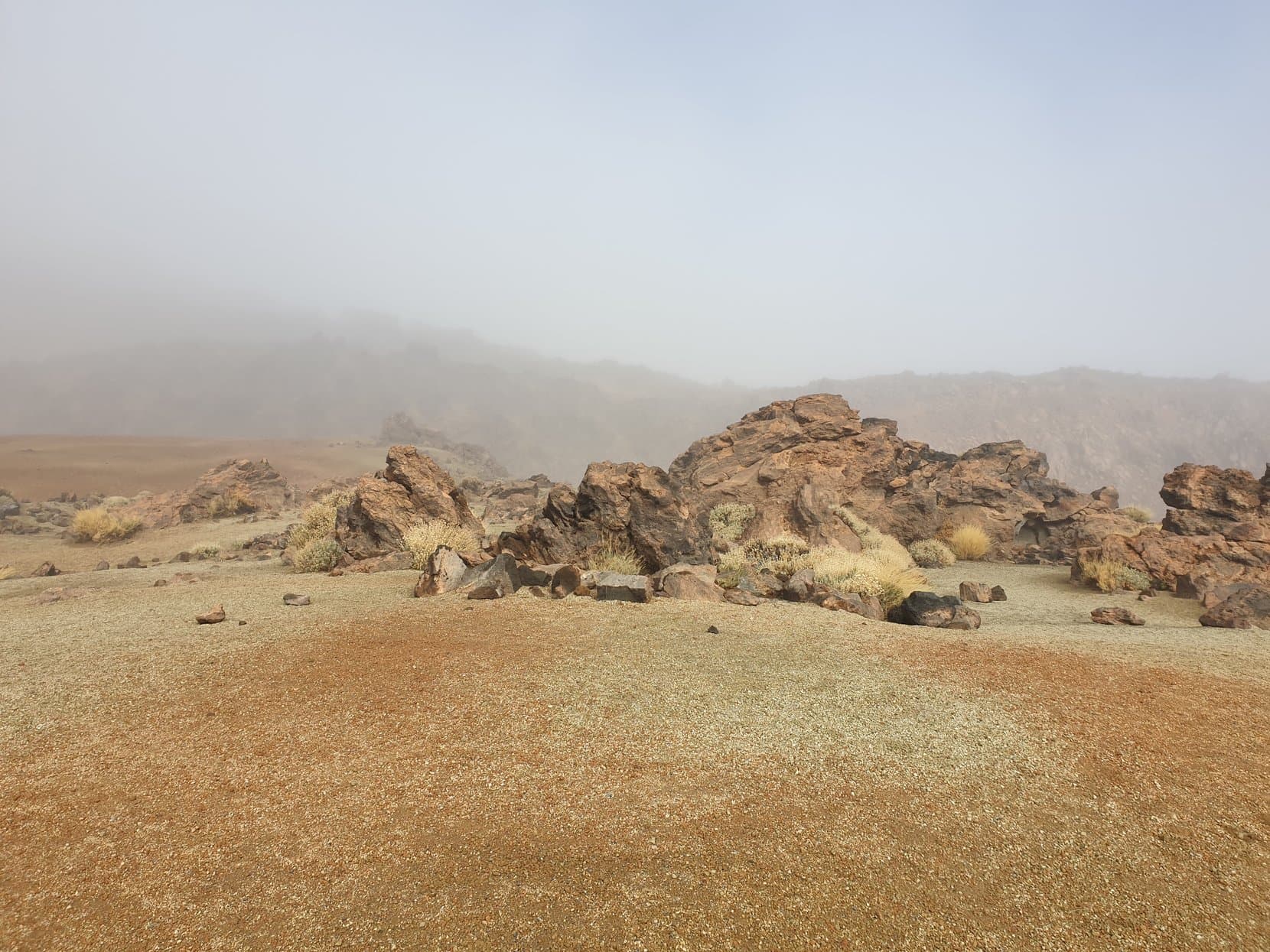
Spain's highest peak rises out of a caldera that is a full day on its own: a moonscape of lava plains, rock spires and mine-like ridges above the cloud layer. The drive up is half the event. Access to the summit itself is rationed and sells out - the one part of a Tenerife trip that has to be decided early.

Green Anaga ridges dropping to Taganana's villages and a deep blue sea, Tenerife

Anaga and the northeast

The oldest corner of the island and the greenest thing in the Canaries: laurel forest over knife-edge ridges, roads that tunnel through moss, and steep drops to black-sand coves where the Atlantic arrives with real force. It feels a continent away from the south coast, and it is barely an hour's drive.

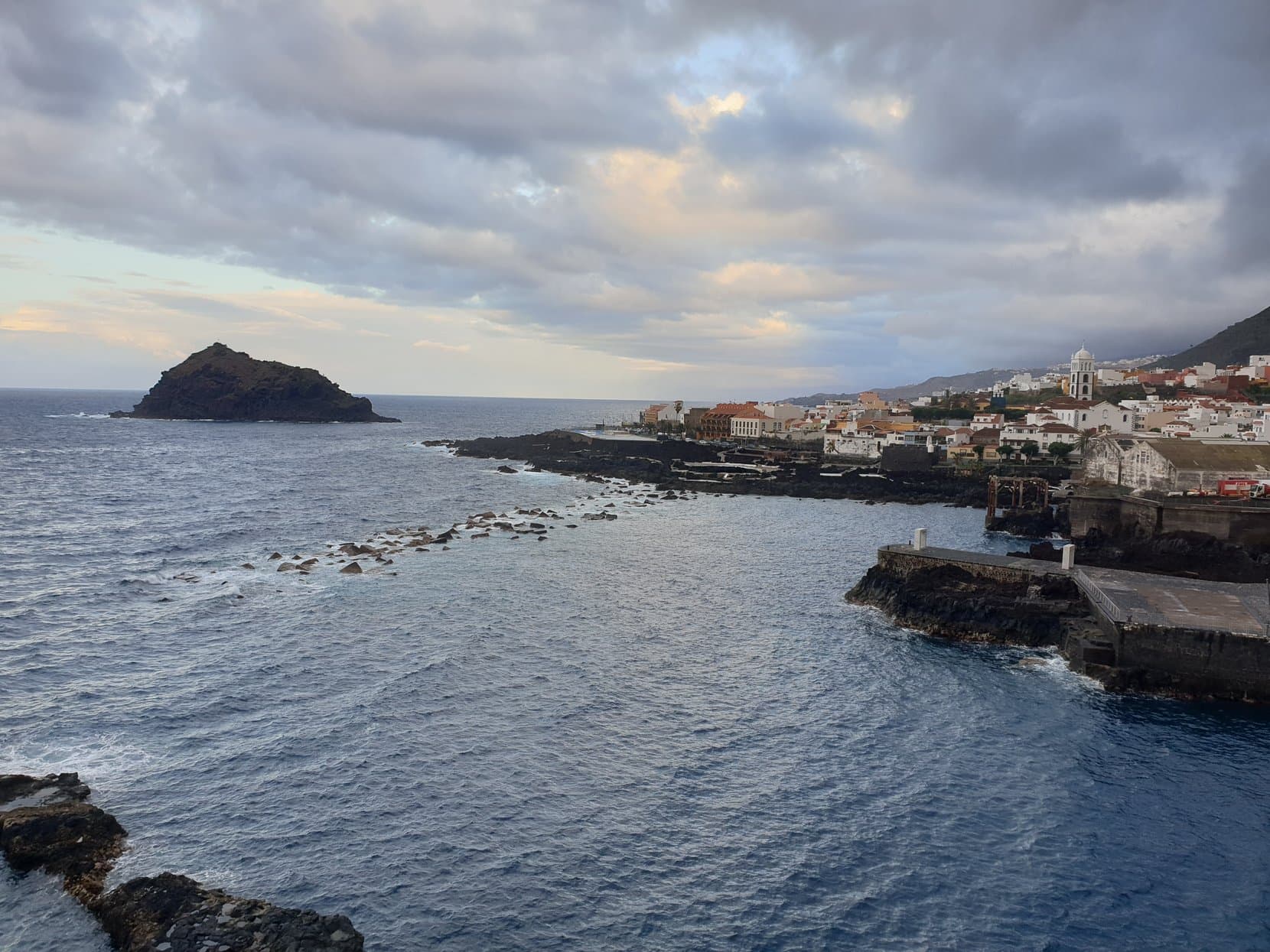
Garachico's offshore roque and natural lava pools under heavy surf, Tenerife

The north coast towns

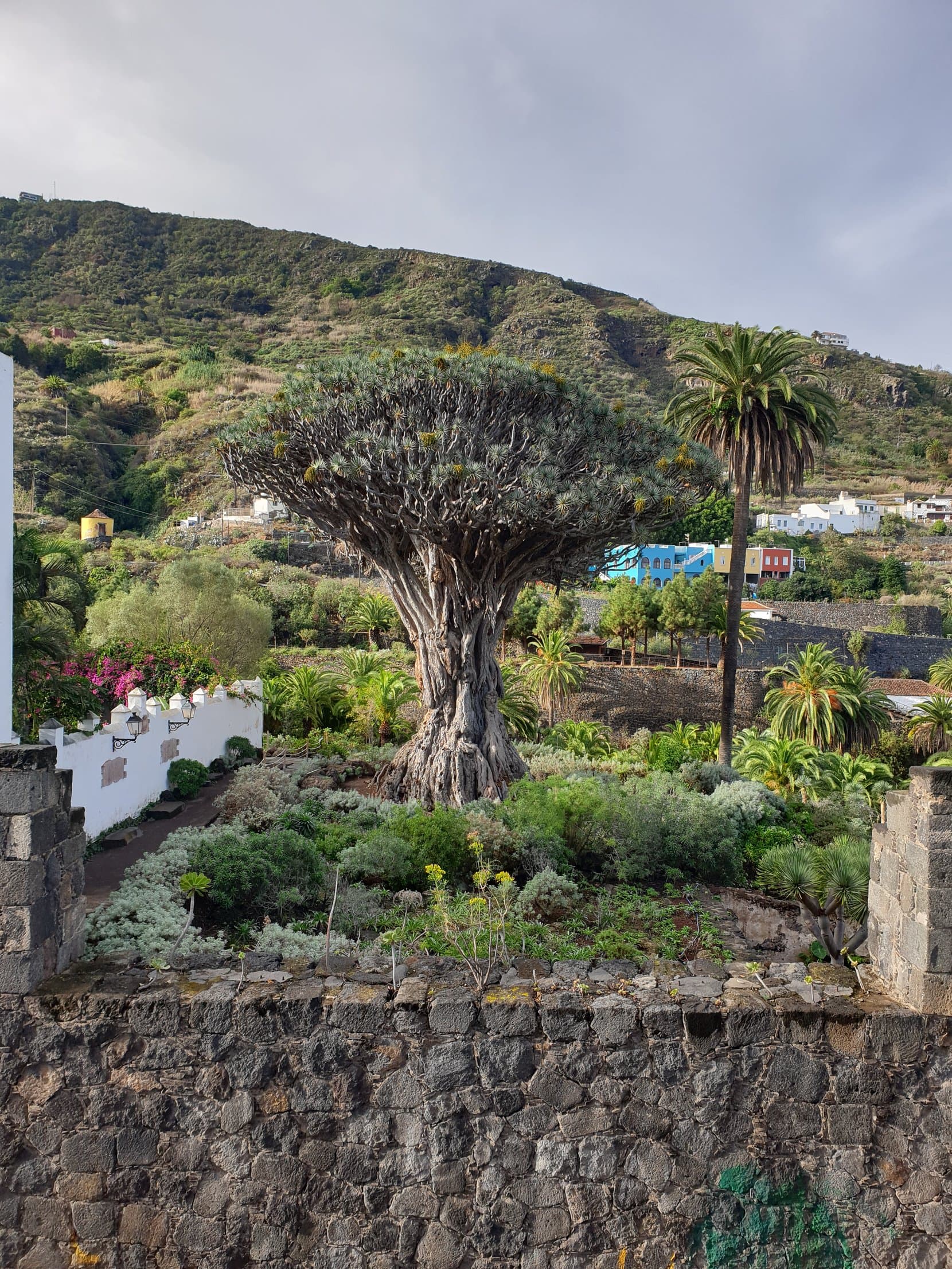
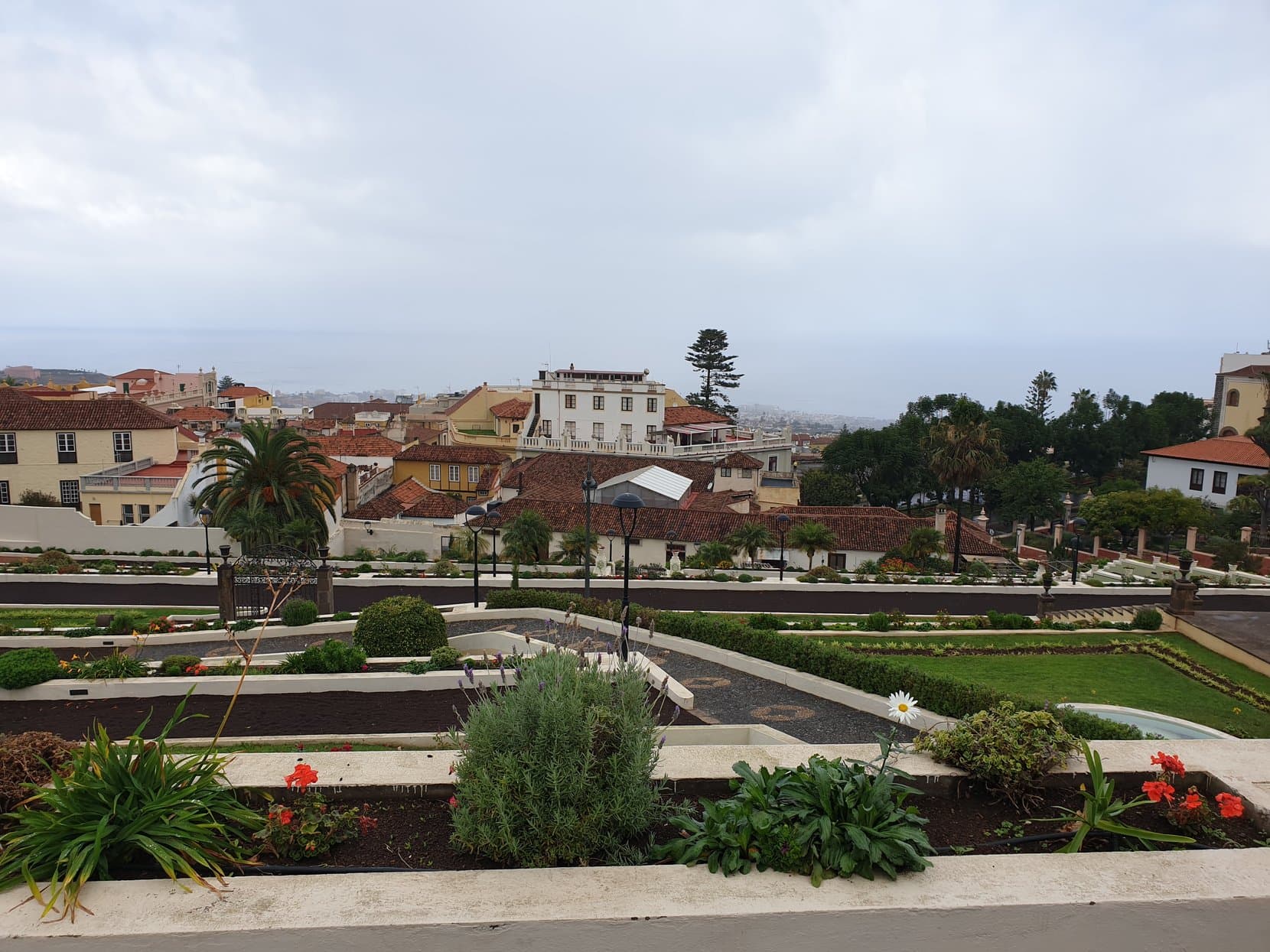
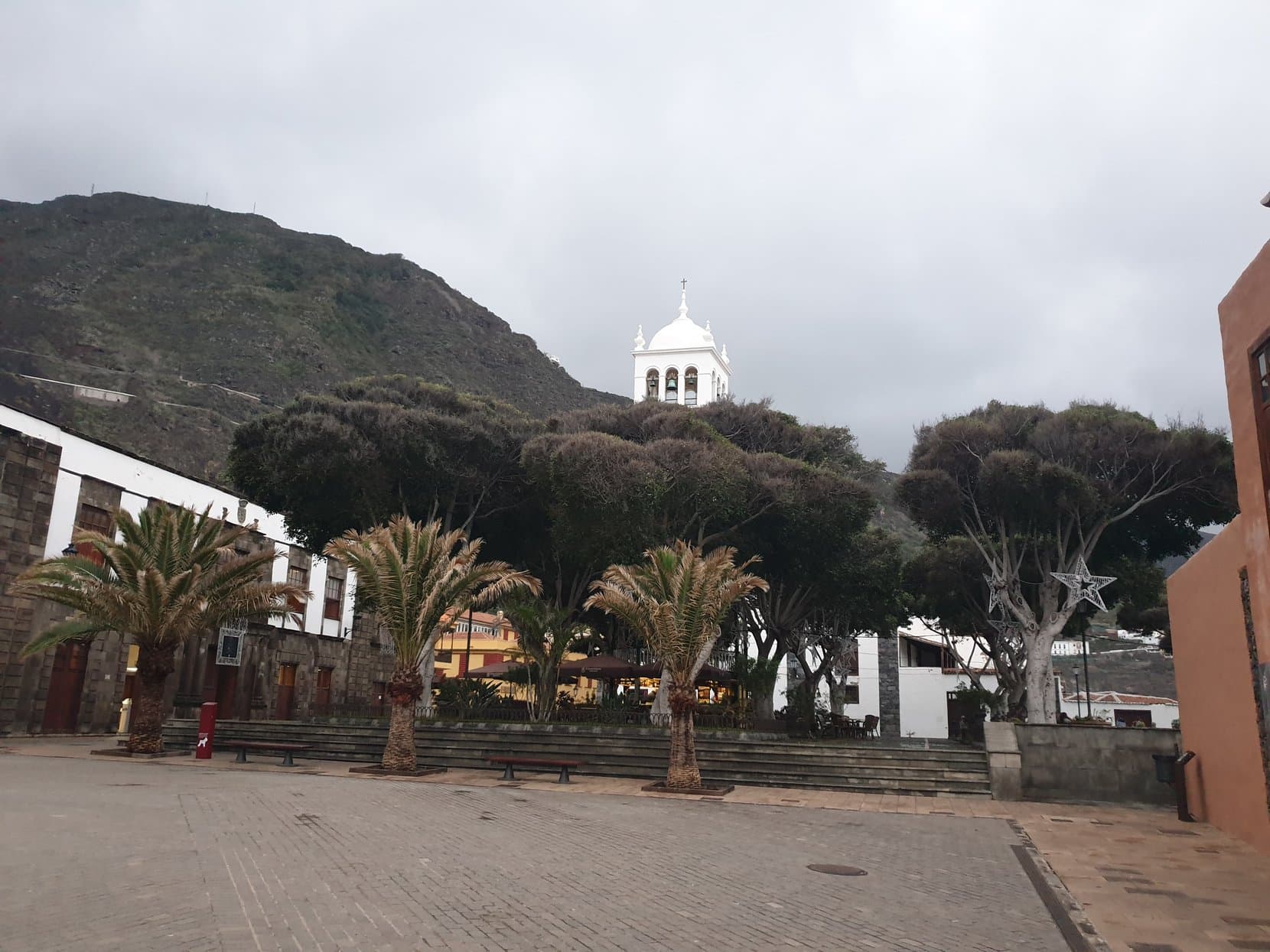
Garachico with its lava pools and cobbled centre, Icod and its ancient dragon tree, La Orotava's balconied old town, La Laguna's grid of colonial streets. This is the historic, Spanish, lived-in Tenerife most visitors never meet - greener, cloudier, and the best argument for spending a night away from the resorts.

The marina of Los Gigantes sitting directly beneath its sheer cliff wall, Tenerife

The southwest coast

The sunshine machine. Costa Adeje and its neighbours hold the resorts, the reliable warmth and the easy beach days; Los Gigantes closes the coast with a wall of sea cliffs that dwarfs the town beneath. Use it as the warm base it is - just do not mistake it for the island.

From the trip

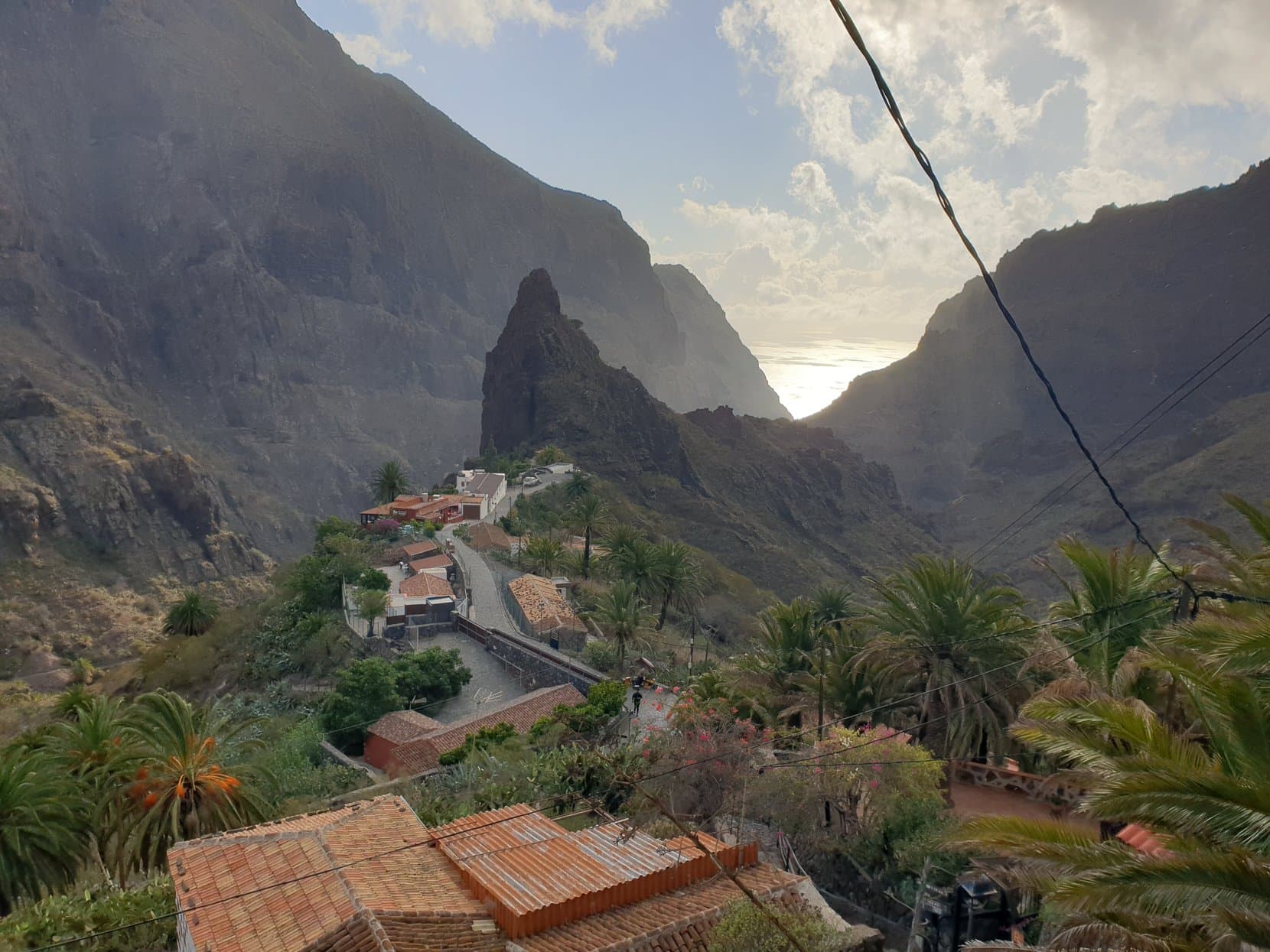
The rooftops of Masca village under its rock spire, the gorge falling to a silver sea, Tenerife
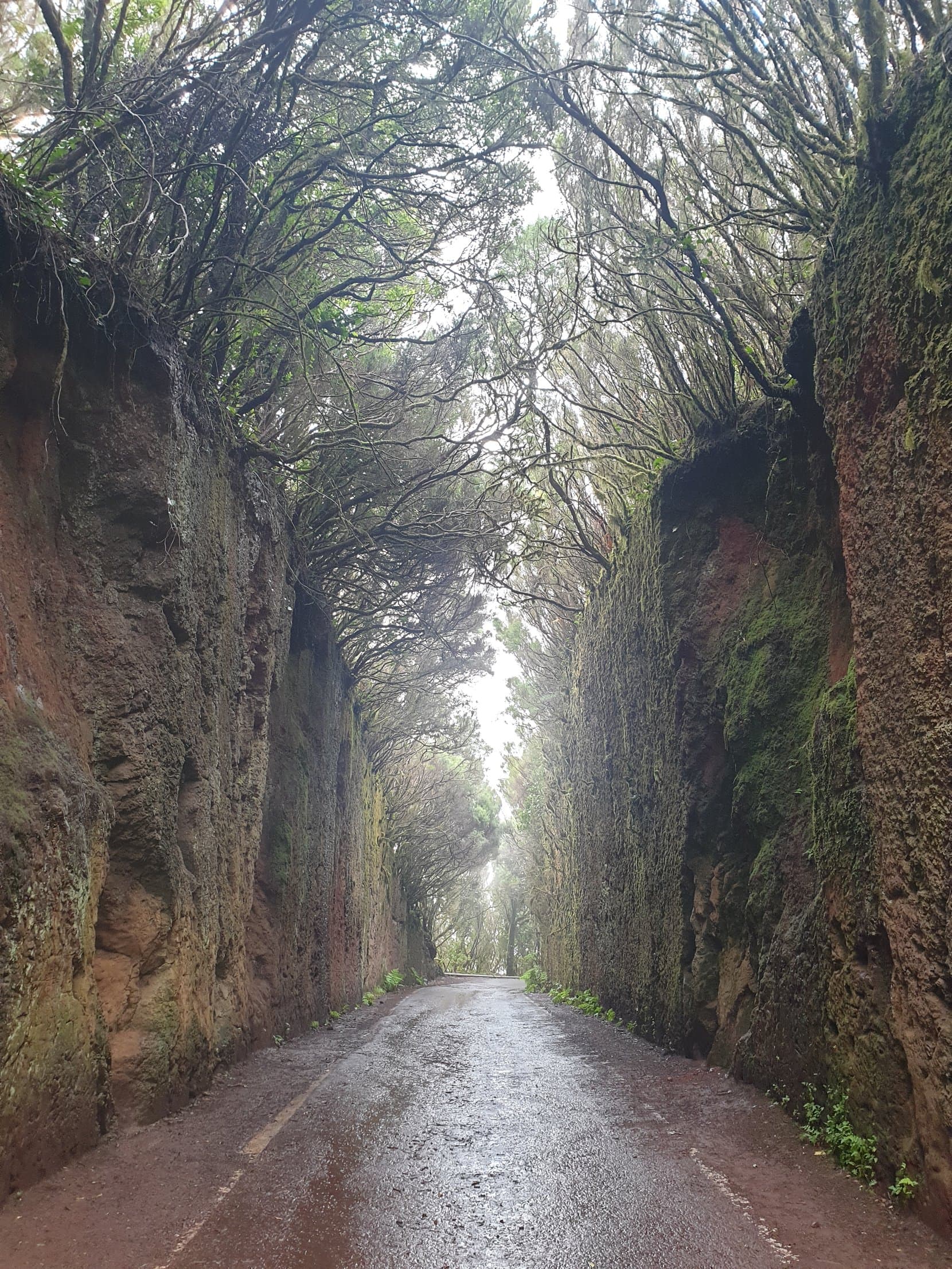
A wet road tunnelling through moss-covered laurel forest in the Anaga mountains, Tenerife
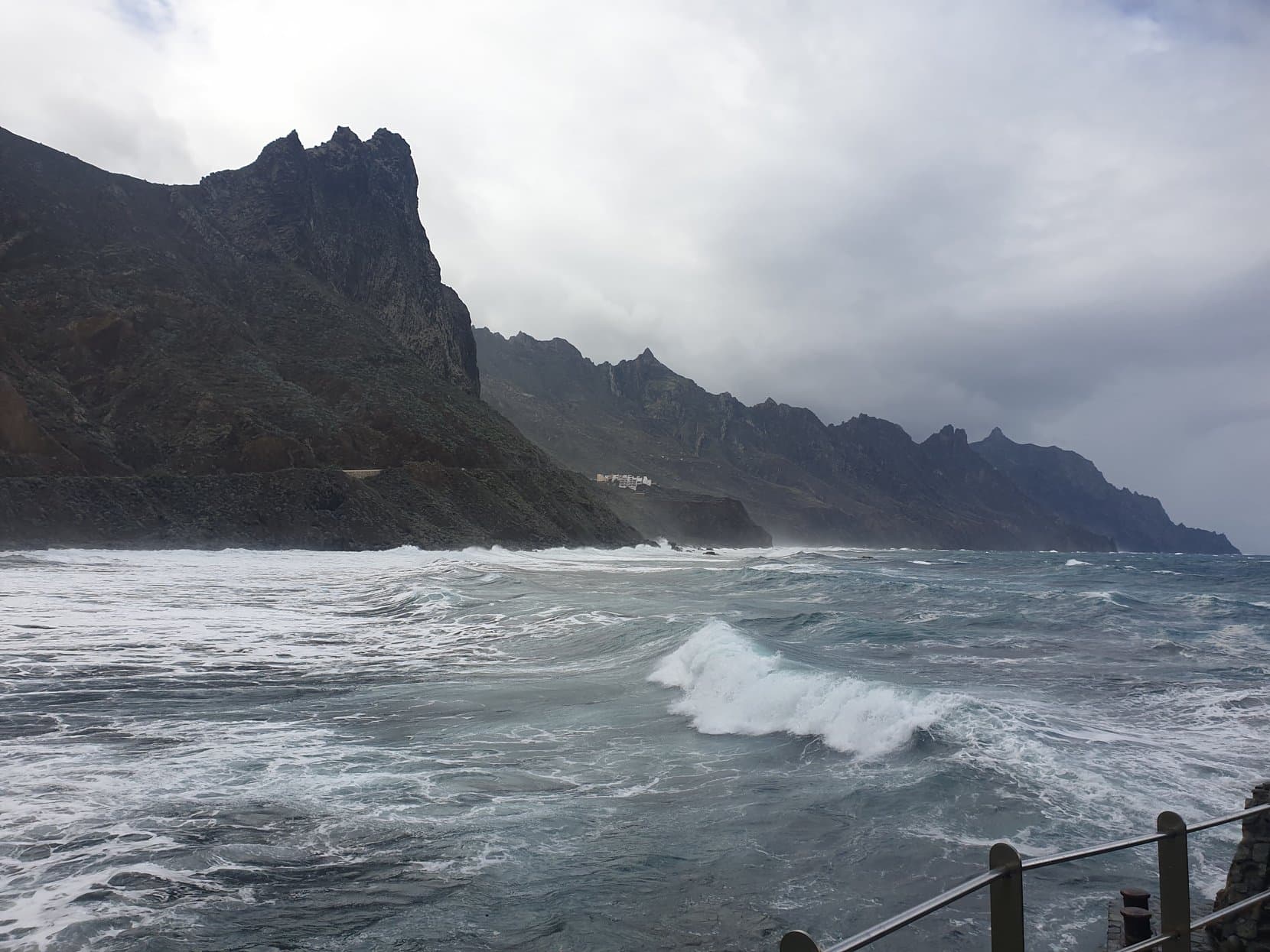
A wave breaking hard against the rocks under dark Anaga cliffs, Tenerife
Garachico town and its offshore roque under an evening sky, Tenerife
Garachico's plaza with palms and old trees in front of the church tower, Tenerife
The leaning Roque Cinchado with the cone of Teide rising behind, Tenerife
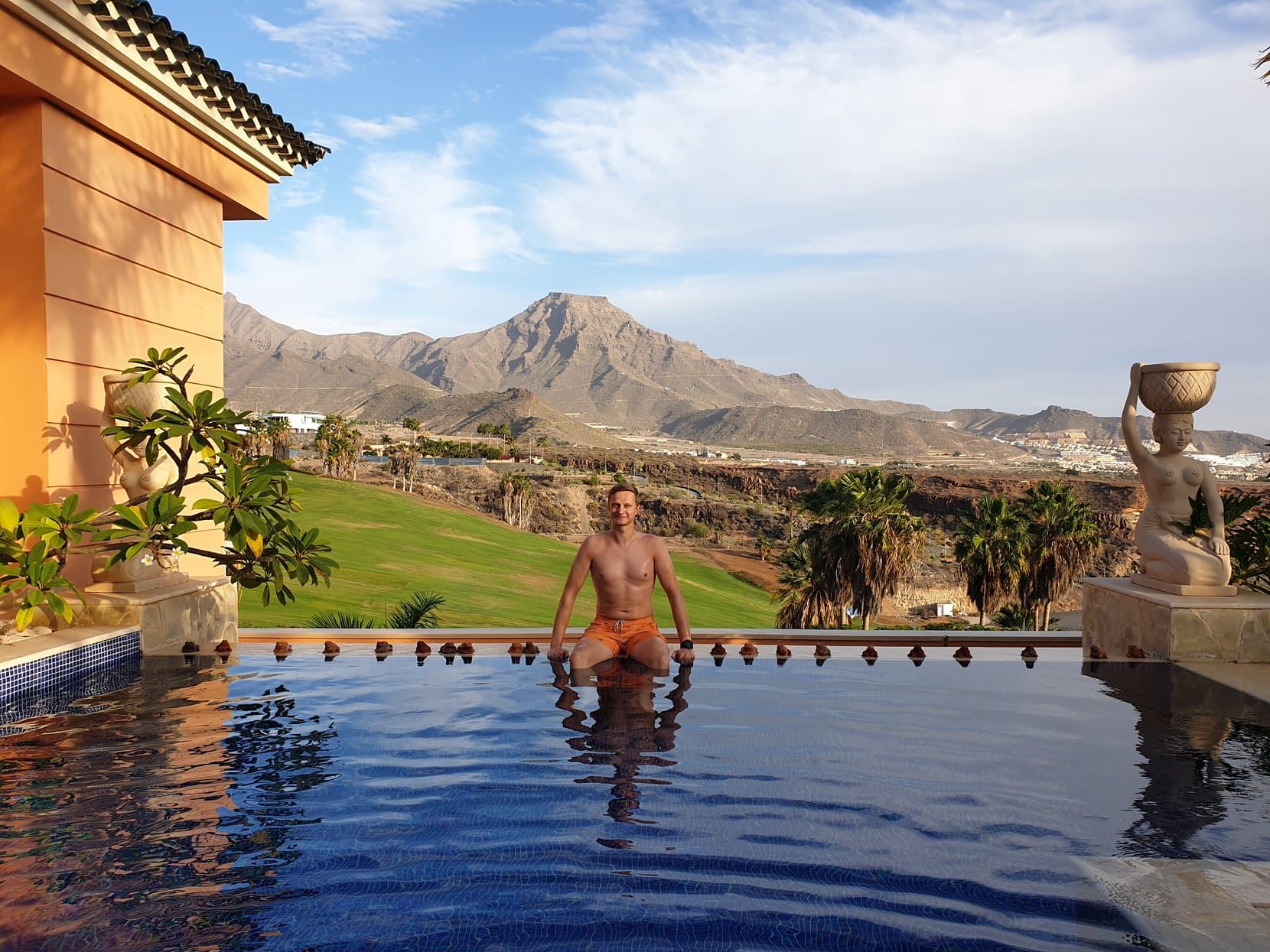
A villa pool terrace with palms at dusk in Costa Adeje, Tenerife
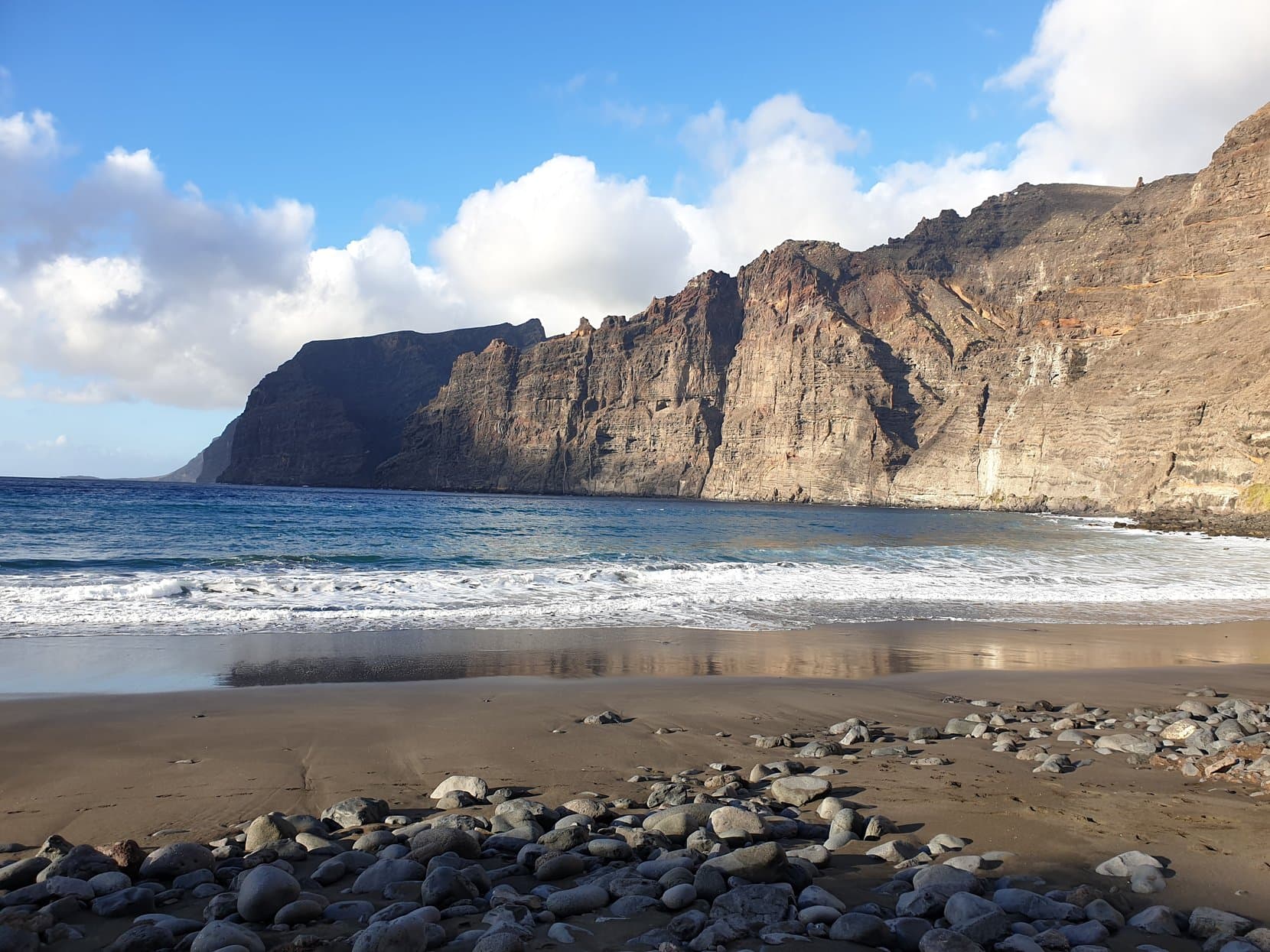
The sheer cliff wall of Los Gigantes above the black sand of Playa de los Guíos, Tenerife

Masca, at the end of the switchbacks

Getting there and around

Tenerife has two airports, and which one you land at matters more than people expect: Tenerife South sits by the resort coast and takes most international traffic; Tenerife North, by La Laguna, serves mainland Spain and inter-island hops. Both work - just make the rental-car booking match. This is Spain, so euros, EU roaming and Schengen rules apply, and the clock runs level with London, an hour behind Madrid.

On the ground, rent a car. The coast strips manage without one, but everything this page praises is drive-to, and the mountain roads - Masca's switchbacks, the Anaga ridge road, the climb to the caldera - are engineered as one continuous hairpin. Map time estimates flatter them; add margin.

Ferries link Santa Cruz and Los Cristianos to the neighbouring islands - we arrived by sea from Fuerteventura and left by sea to Gran Canaria, with the rental car along for the ride. Which crossings are worth taking, and which quietly burn a day, is the multi-island question the archipelago page deals with.

What it costs

Getting there is the line every alternative loses to: return flights from most of western and northern Europe typically come in under €150, and sale fares go far lower. On the ground, prices sit at or below mainland-Spain levels - and the best of the island is free.

StyleWhat that looks like
LeanA self-catering apartment away from the resort strips, supermarket picnics for the driving days, and the island's best material - the caldera, Anaga, the coast walks - for free or near it
CoreSmall hotels split between the south coast and an old-town night or two, restaurant dinners, and the short list of paid bookings that gate the headline sights
SplurgeThe resort tier Costa Adeje is famous for - money buys the sea view and the spa, not access, because nothing on Tenerife is gated behind wealth

The bed is the only line with real range, and winter - high season here - is when it moves most. The paid bookings that gate the headline sights are few, cheap, and entirely about booking early rather than paying more.

Tested tips

Book Teide the moment your dates are fixed, and pack a plan B you would enjoy.

The cable car and the summit slots sell out far in advance, and wind cancellations come with no next-day fallback - ours died exactly that way. The caldera below the peak is a full day on its own, so a cancelled ride is only a cancelled day if you failed to plan for the possibility.

Expect two climates in one day.

The trade clouds pile against the northern slopes while the south bakes; driving to Teide we climbed through the cloud layer and came out above a white sea. Pack for the mountain even when the beach forecast is perfect - and if the north looks grey from your south-coast breakfast, it often is, and it is still worth crossing.

Give the old towns an evening, not a drive-through.

La Laguna, La Orotava and Garachico read as quick photo stops on most itineraries. They are at their best after the day-trippers leave - we ended days in them on purpose, and those evenings outrank most of the island's paid attractions.

The Masca gorge falling away to the sea, with the switchback road stitched across its wall, Tenerife

FAQ

How many days do you need in Tenerife?▾
Seven, honestly. Five is the number most itineraries pick and it is barely enough - Teide, Anaga, Masca and the west coast fit, but with no weather margin on an island where wind cancellations are real. A week gives the volcano a spare day, the north its evenings, and the beach days room to breathe. A long weekend only makes sense as winter sun plus one caldera day.
Is Tenerife worth visiting?▾
Yes - it is the big-ticket island of the Canaries, and nothing else in the archipelago matches its single sights. Teide above the clouds is the most impressive thing in the islands, the Anaga laurel ridges are the greenest, and the old towns are actual historic towns, not decoration. The honest caveat: the resort south is exactly what its reputation says. Treat it as the warm base, rent a car, and the island behind it is superb.
Tenerife or Gran Canaria?▾
First visit, one island, biggest sights: Tenerife. Drivers and viewpoint collectors who want variety per kilometre and thinner crowds: Gran Canaria. We drove both on the same trip and wrote the comparison up properly - and the real answer is that a ferry links them, so pairing them in one week is barely more logistics than choosing.
Should I stay in the north or the south of Tenerife?▾
South for the weather, north for the island - and the strong move is both. The south coast is the reliable winter warmth and the easy beach machine; the north holds the historic towns, the green mountains and most of the character, with more cloud on its side of the ledger. We based south and slept north twice, and that split is the one we would repeat.
Can you climb Mount Teide?▾
Yes, but access is rationed and it bites: the final summit trail needs a permit with capped daily numbers - now paid - and both it and the cable car sell out well ahead of busy dates. Wind shuts the cable car with no next-day fallback, which is how we lost our slot. Decide early that Teide matters, book before anything else in the trip, and plan the caldera below as a day you would enjoy anyway.
Is Tenerife warm enough to swim in winter?▾
Yes, on the south and west coasts - shirt-sleeve afternoons and an Atlantic around 19 to 20 °C in midwinter, refreshing rather than warm. We swam in late November without heroics. The north sea is rougher and the mountain interior is a different season entirely; in midwinter there can be snow around the peak while the beaches work on the coast below.
Do you need a car in Tenerife?▾
For the island this page describes, yes. Buses serve the coasts respectably, but Teide, Anaga, Masca and the north-coast towns are drive-to places, and rentals are cheap. Budget real time: the mountain roads are hairpin engineering, and map estimates flatter them badly.
Is Masca worth it?▾
Yes - the village hangs in a gorge between rock spires with the sea glinting at the bottom, and the switchback road in is an event in itself. Treat the drive with respect and the viewpoint stops with patience, and fold it into a west-coast day rather than treating it as a detour.
Is the south of Tenerife all resorts?▾
The strip itself, yes - concrete, all-inclusive wristbands and imported sand, doing exactly what it promises. But it occupies a few kilometres of coast: Los Gigantes' cliff wall stands at the end of it, the west-coast villages keep their harbours, and the interior begins ten minutes inland. The south is a base, not a verdict.
Is Tenerife expensive?▾
No. Return flights from most of western and northern Europe typically come in under €150 with sale fares far lower, and on the ground prices sit at or below mainland-Spain levels. The bed is the only line with real range - winter is high season here and the resort coast prices accordingly. The best of the island, from the caldera to Anaga, is free.

Stories from Tenerife

Four Canary Islands, one trip, by ferry

Four Canary Islands, one trip, by ferry

Four islands, one car on every ferry – and every landing felt like a new country.

Winter sun in Europe: the Canaries in January

Winter sun in Europe: the Canaries in January

Swimming in the Atlantic in November, four hours from a grey home – the honest maths.

Tenerife vs Gran Canaria: which island?

Tenerife vs Gran Canaria: which island?

The big-ticket island against the road-trip island, driven on the same trip.

Teide cancelled our cable car. The day still won.

Teide cancelled our cable car. The day still won.

The wind took our cable car and the day still won – Spain's highest peak from below.