Which Canary Island is best?▾
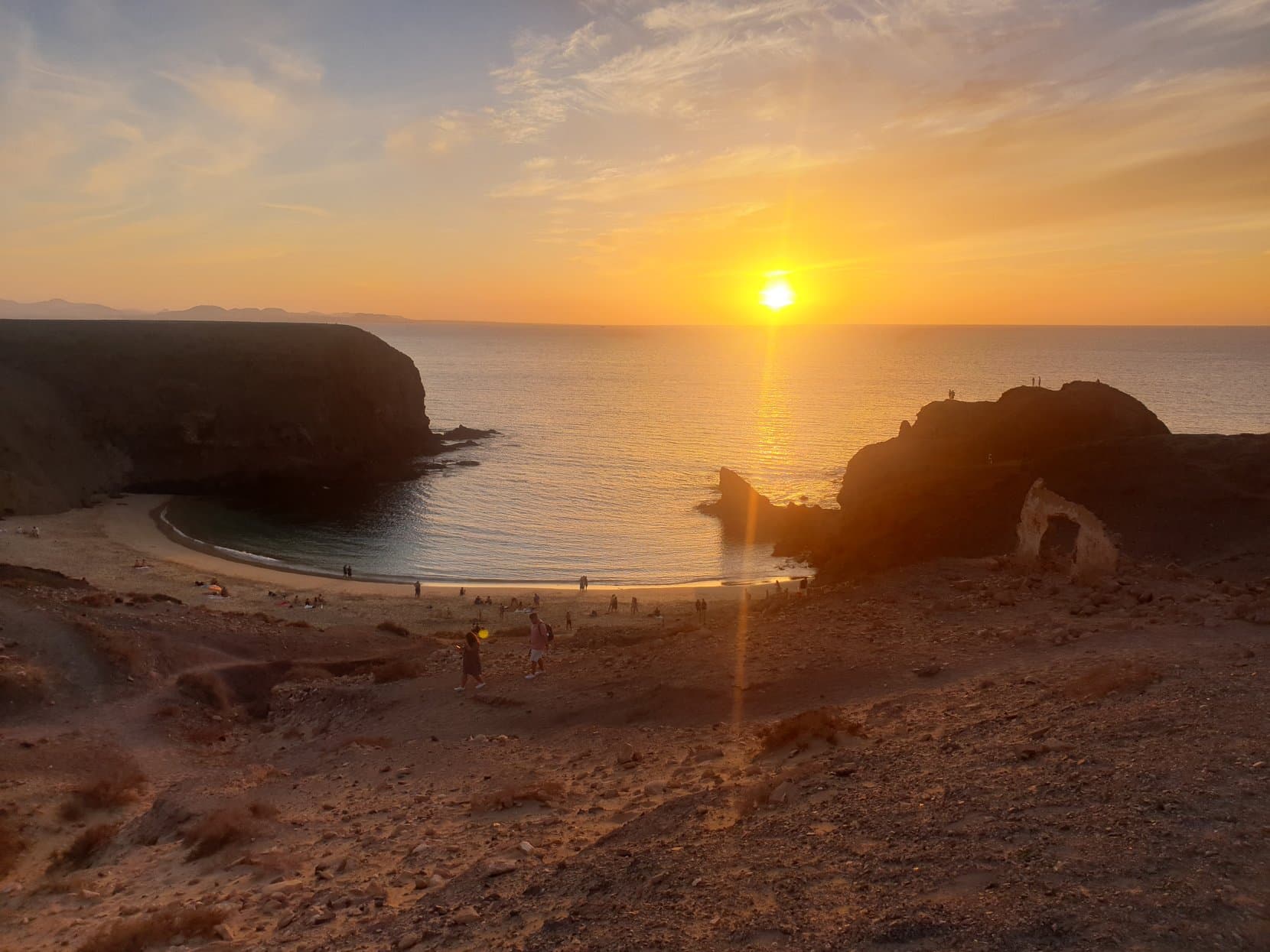
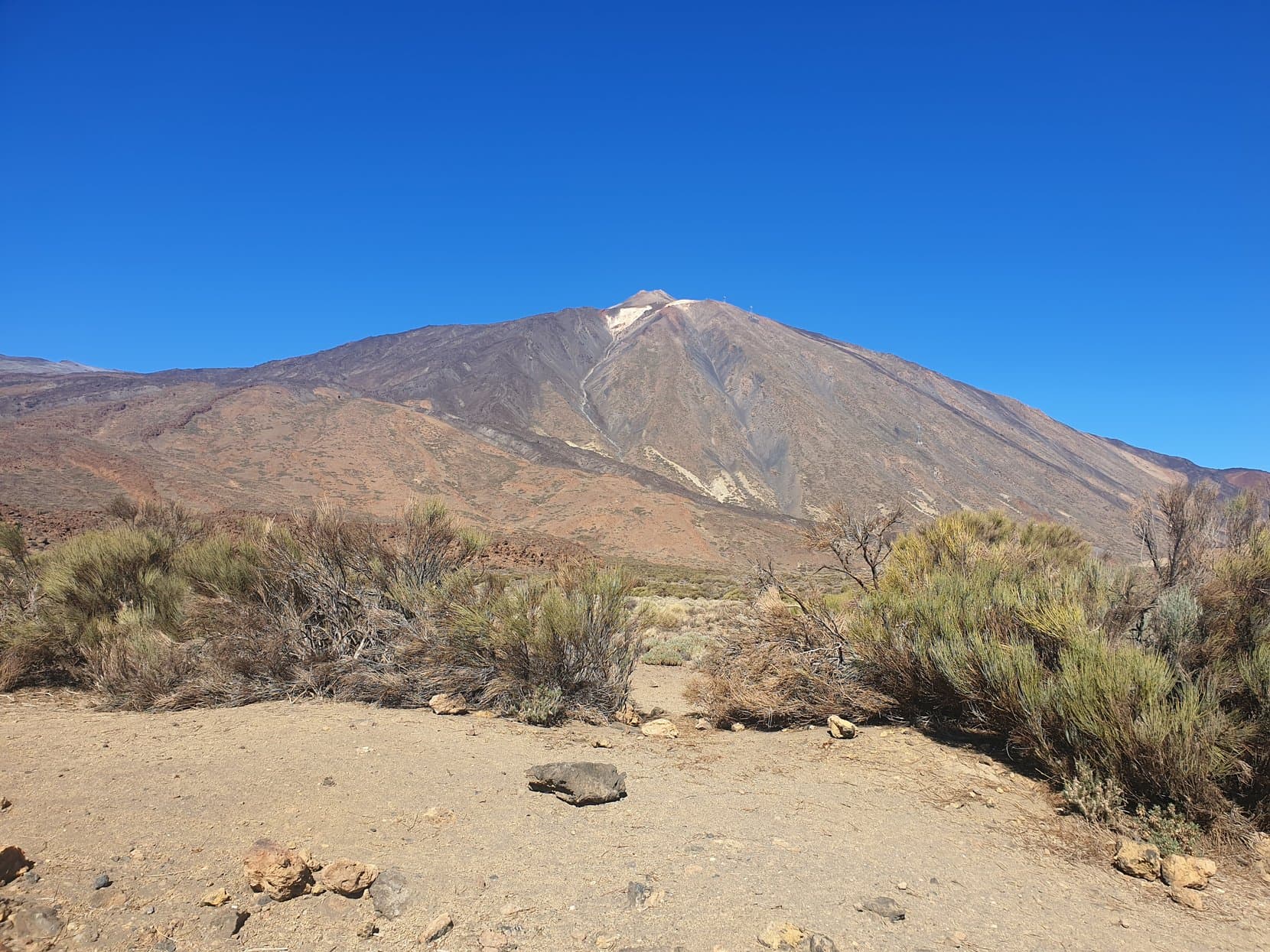
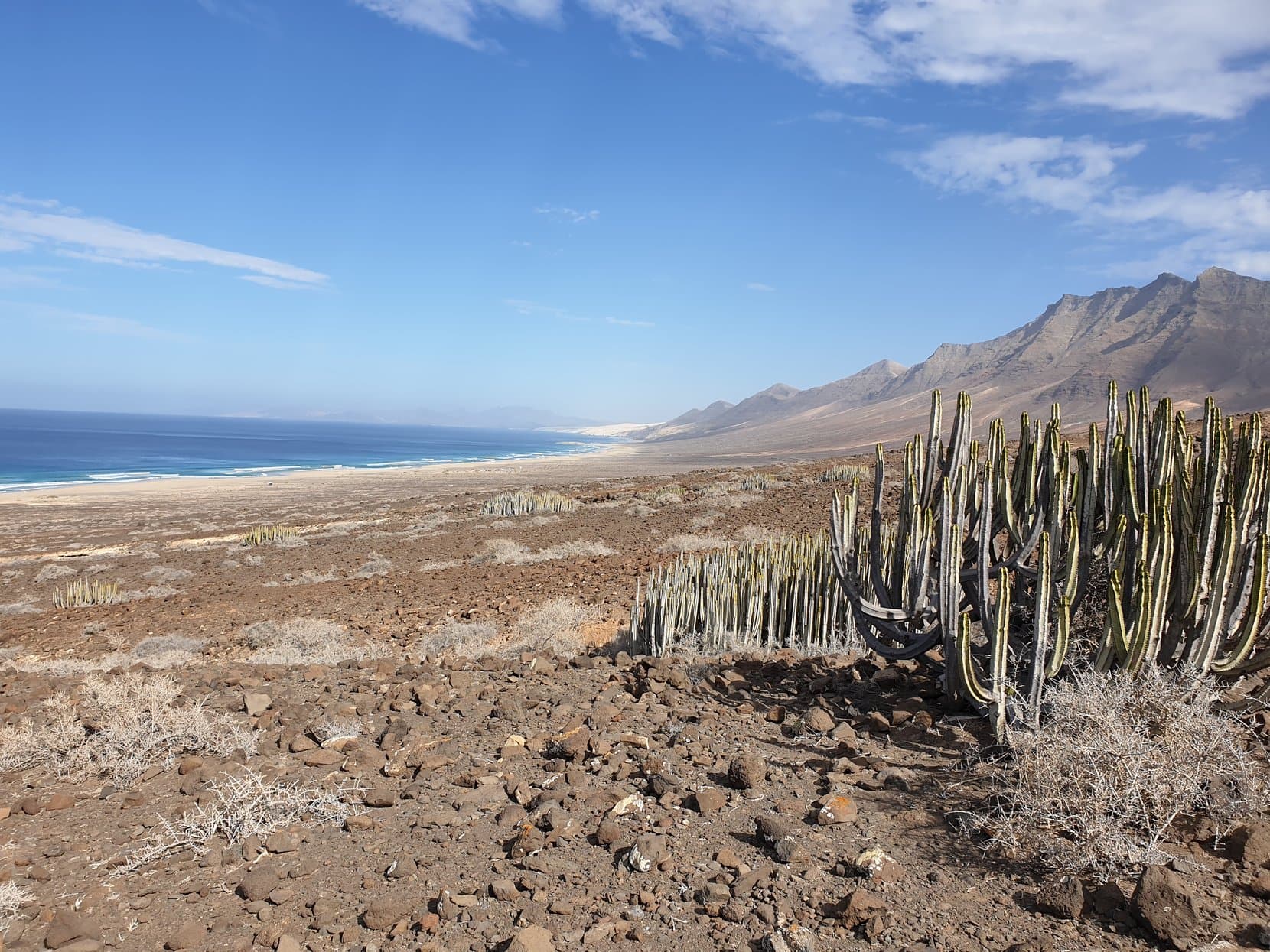
The one that matches what you want, because the four big islands genuinely do different jobs. Tenerife is the big-ticket island: Teide above the clouds, the Anaga range, proper historic towns – if you are coming once for the postcard, come here. Gran Canaria is the road-trip island: the highest density of viewpoints, gorges and mountain villages per driving hour, plus desert dunes at the bottom. Lanzarote is the strange one, volcanic ground still smoking and an island-wide design experiment, and it is the most underrated of the four. Fuerteventura is the beach island: the biggest sands, the emptiest interior, the most wind. The honest upgrade: pick two that sit near each other and take the ferry between them.
Tenerife or Gran Canaria – which should I choose?▾
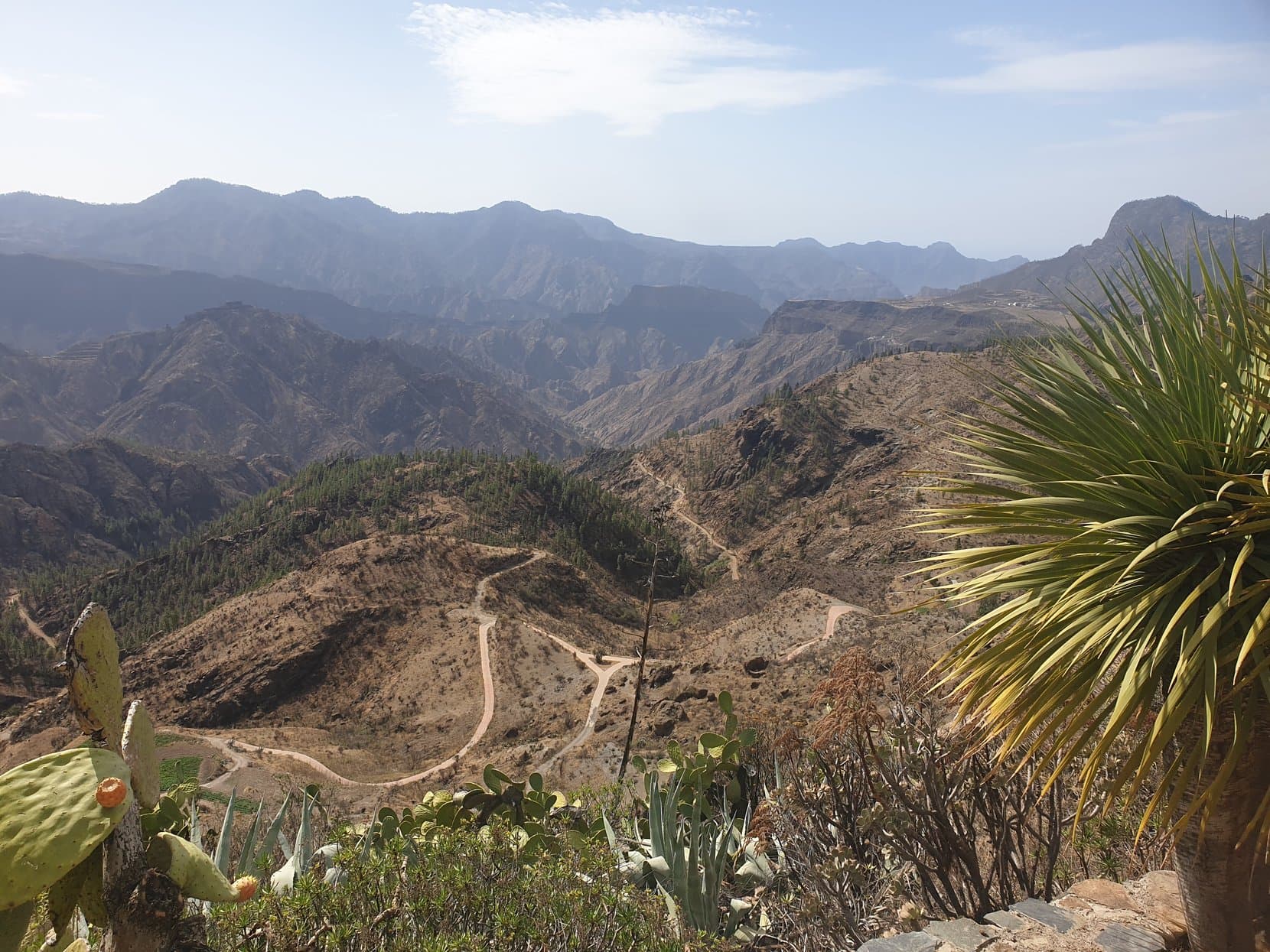
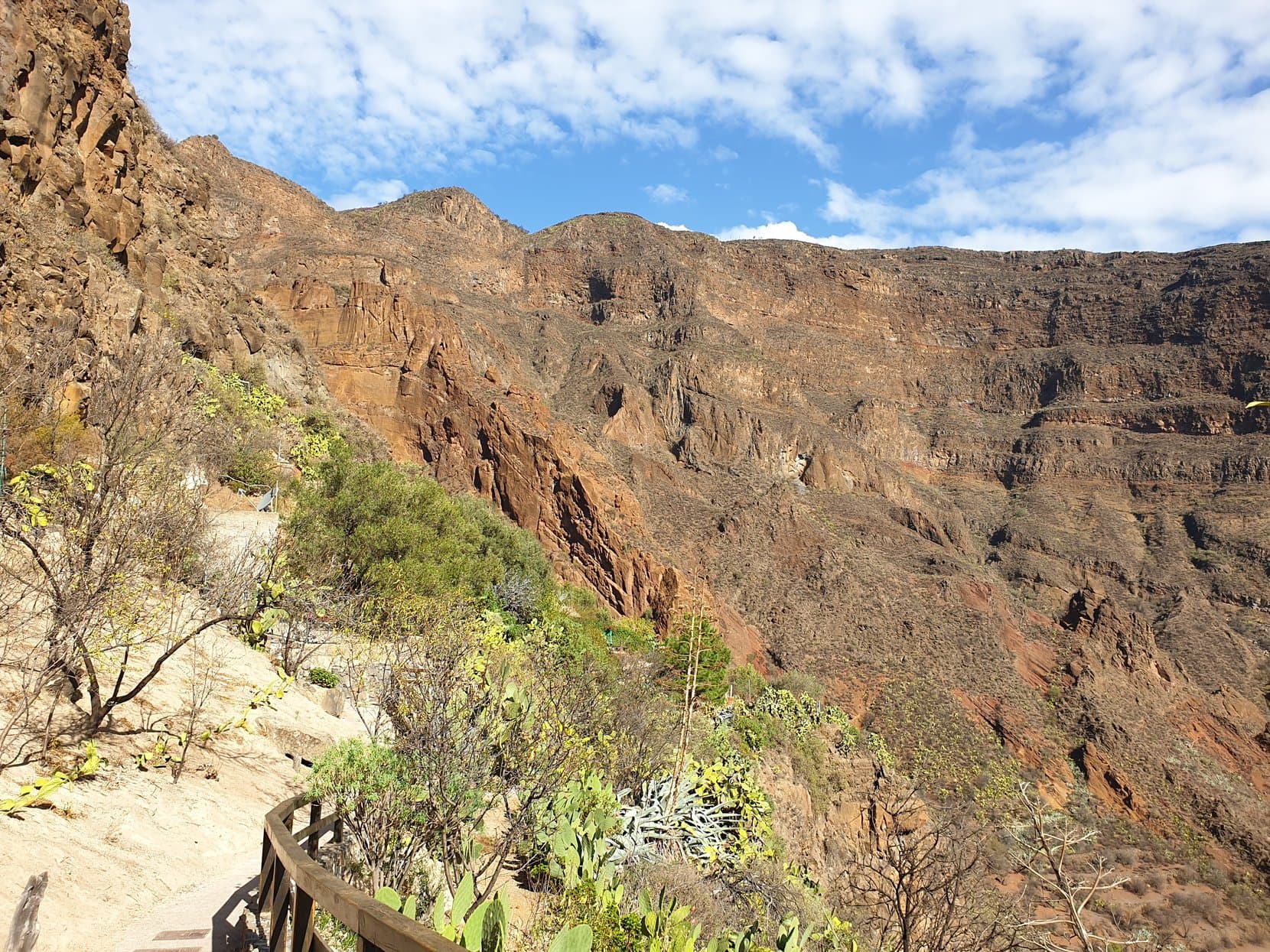
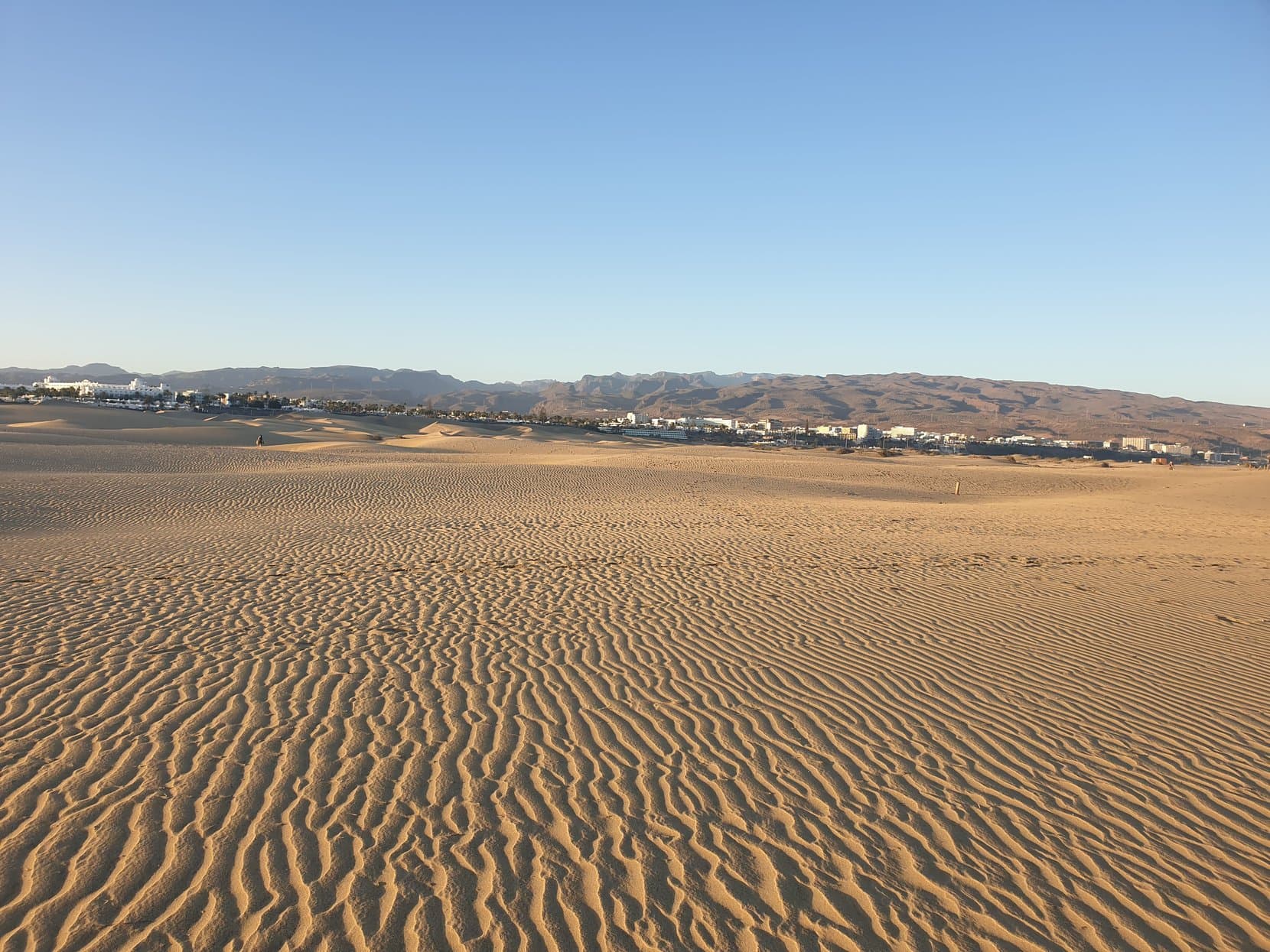
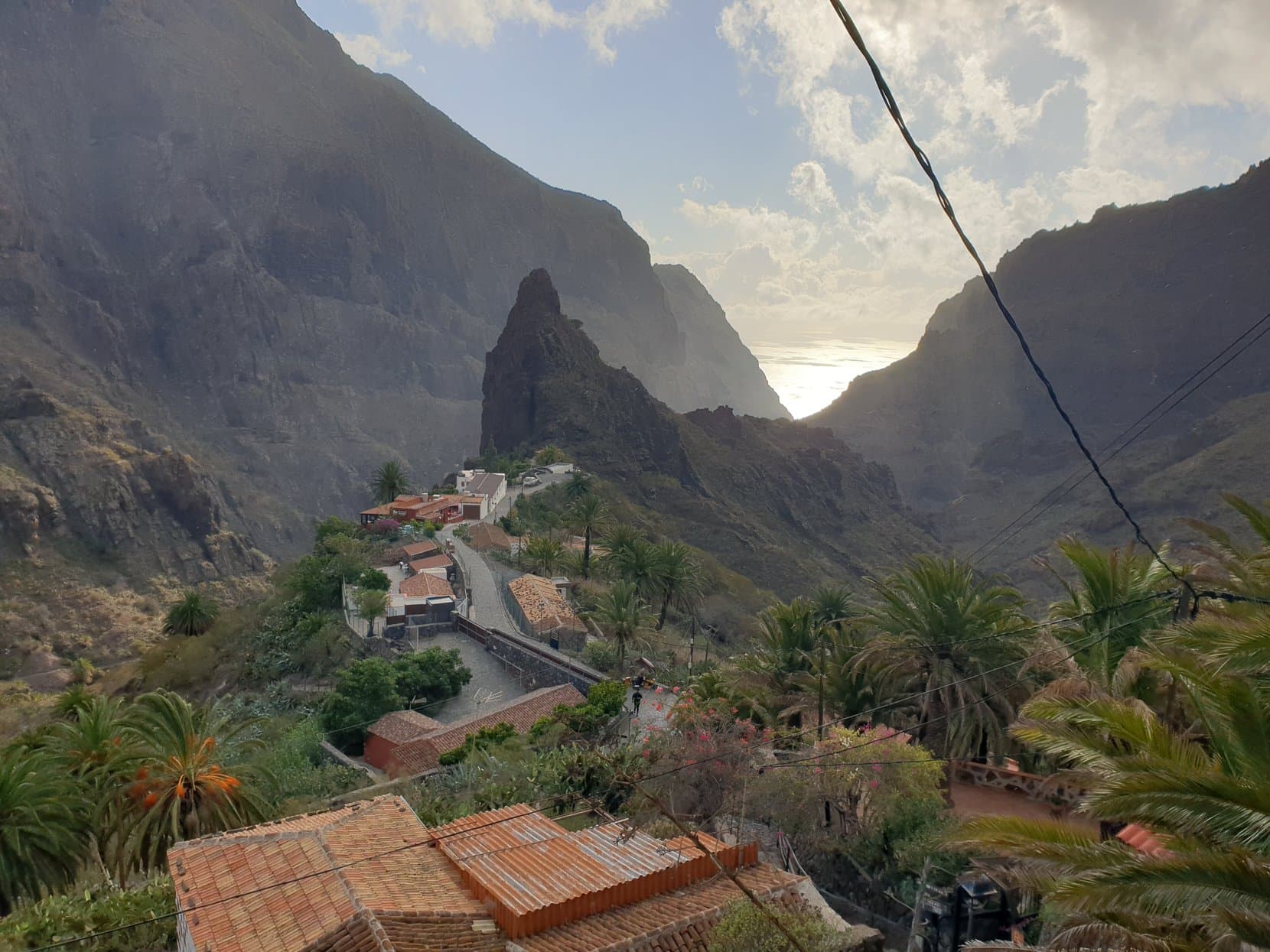
First visit, one island, biggest single sights: Tenerife – nothing on Gran Canaria matches Teide, and the historic towns are better. Drivers, hikers and viewpoint collectors: Gran Canaria – less famous, fewer coaches, and more variety per kilometre of mountain road. We drove both on the same trip, and the real answer is that the ferry makes the question obsolete: pairing them in one week is barely more logistics than choosing between them.
How many days do you need in the Canary Islands?▾
A week for one island – any of the four big ones honestly fills seven days once you leave the coast. Two islands fit a week if you accept highlights rather than depth. The full four-island run is a two-week trip; we did it in fourteen days with ferries between islands and never once ran out of new landscapes. A long weekend only makes sense as pure winter sun on one south coast.
When is the best time to visit the Canaries?▾
There is no bad month, which is the archipelago's superpower – the season question is really a trade. Winter, November to March, is the headline act: warm afternoons and a swimmable sea while the rest of Europe is cold, which is why winter is the islands' high season. Spring is greenest in the mountain interiors, autumn has the warmest sea and the thinnest crowds, and high summer is hottest, windiest and most crowded. We tested November and would take it again.
Are the Canary Islands warm enough to swim in winter?▾
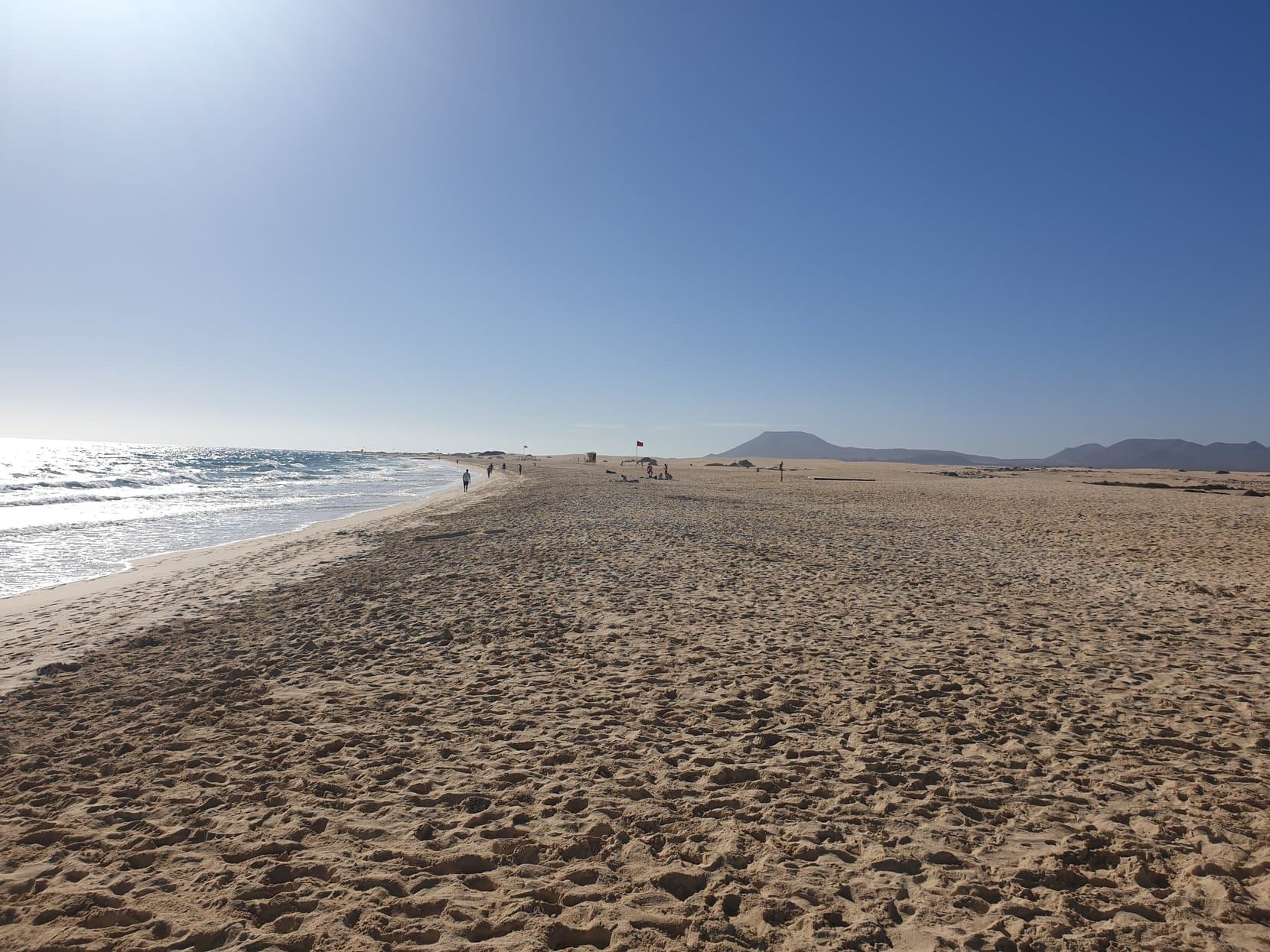
Yes – with honest fine print. Southern coasts run shirt-sleeve warm through the winter, and the Atlantic sits around 19 to 20 °C in midwinter: refreshing rather than bathwater, and entirely swimmable on a sunny afternoon. We swam in the Atlantic repeatedly in late November – off beaches and in natural lava pools. Evenings want a light jacket, and the mountain interiors are their own colder, windier country – pack for both altitudes.
Can you island-hop the Canary Islands?▾
Yes, and it is the best version of the trip. Neighbouring islands are linked by frequent car ferries, so a two-island week is barely harder than a one-island one. The catch is geography: the archipelago is wide, the far pairings burn most of a day at sea or are better flown, and not every sequence works. Which islands pair well – and which crossings to refuse – is exactly the kind of thing worth getting from someone who has run the chain.
Do you need a car in the Canary Islands?▾
For the trip this page describes, yes, on every island. The coasts are served well enough without one, but the interiors are the point – the mountain roads, the miradors, the trailheads and the empty corners are all drive-to places, and rental cars here are cheap by European standards. The one caveat: mountain roads are relentlessly winding, so distances take longer than they look.
Can you climb Mount Teide?▾
Yes – Spain's highest peak is walkable, and there is a cable car most of the way up – but access is rationed and it bites. The final summit trail needs a permit with capped daily numbers, the permit now costs money, and both it and the cable car sell out well ahead of busy dates. Wind shuts the cable car with no next-day fallback, which is how we lost our slot. Decide early that Teide matters to you, book before anything else in the trip, and plan the caldera below as a day you would enjoy anyway – it is genuinely one of the best landscapes in Spain.
Is Lanzarote worth visiting?▾
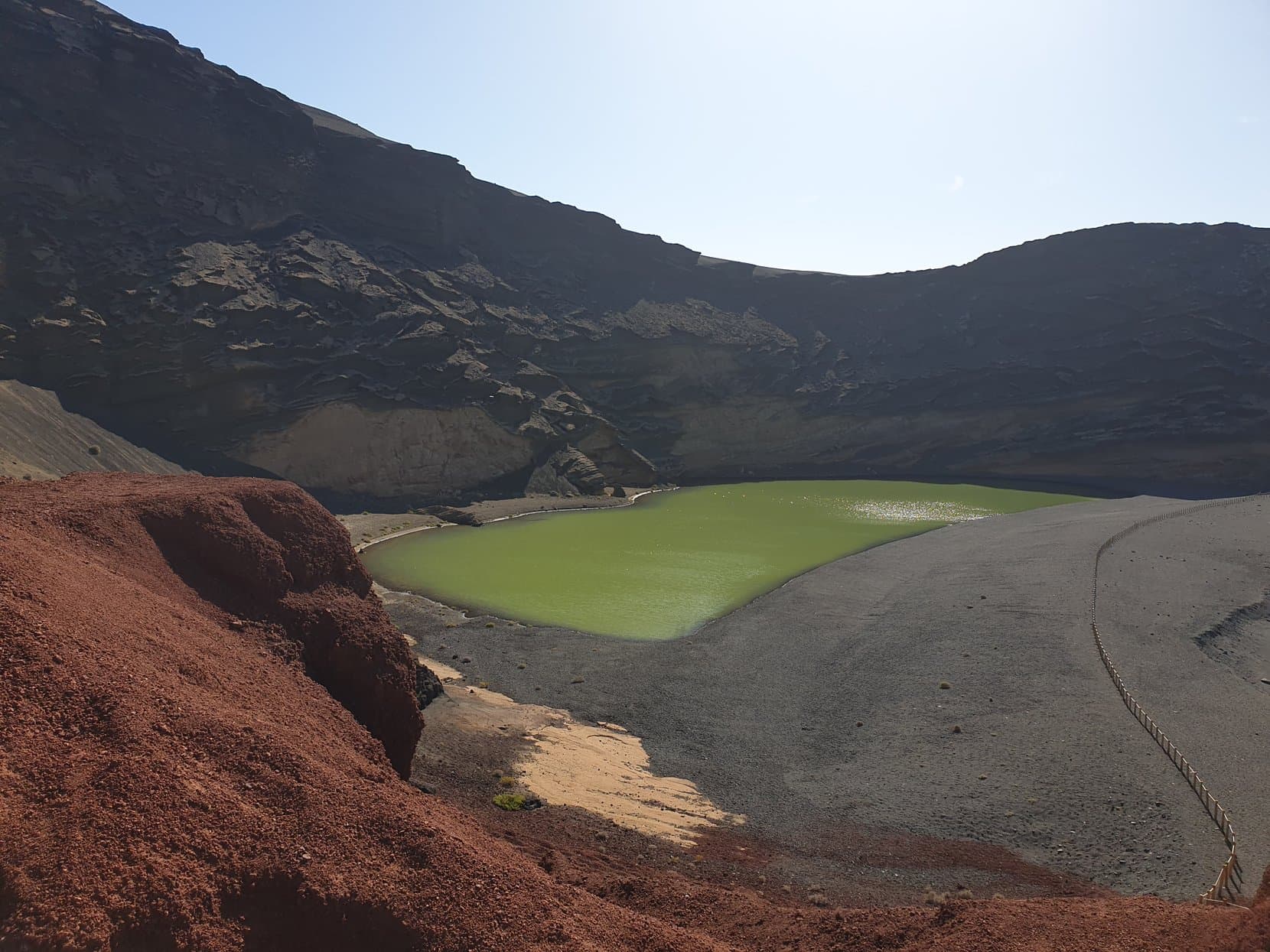
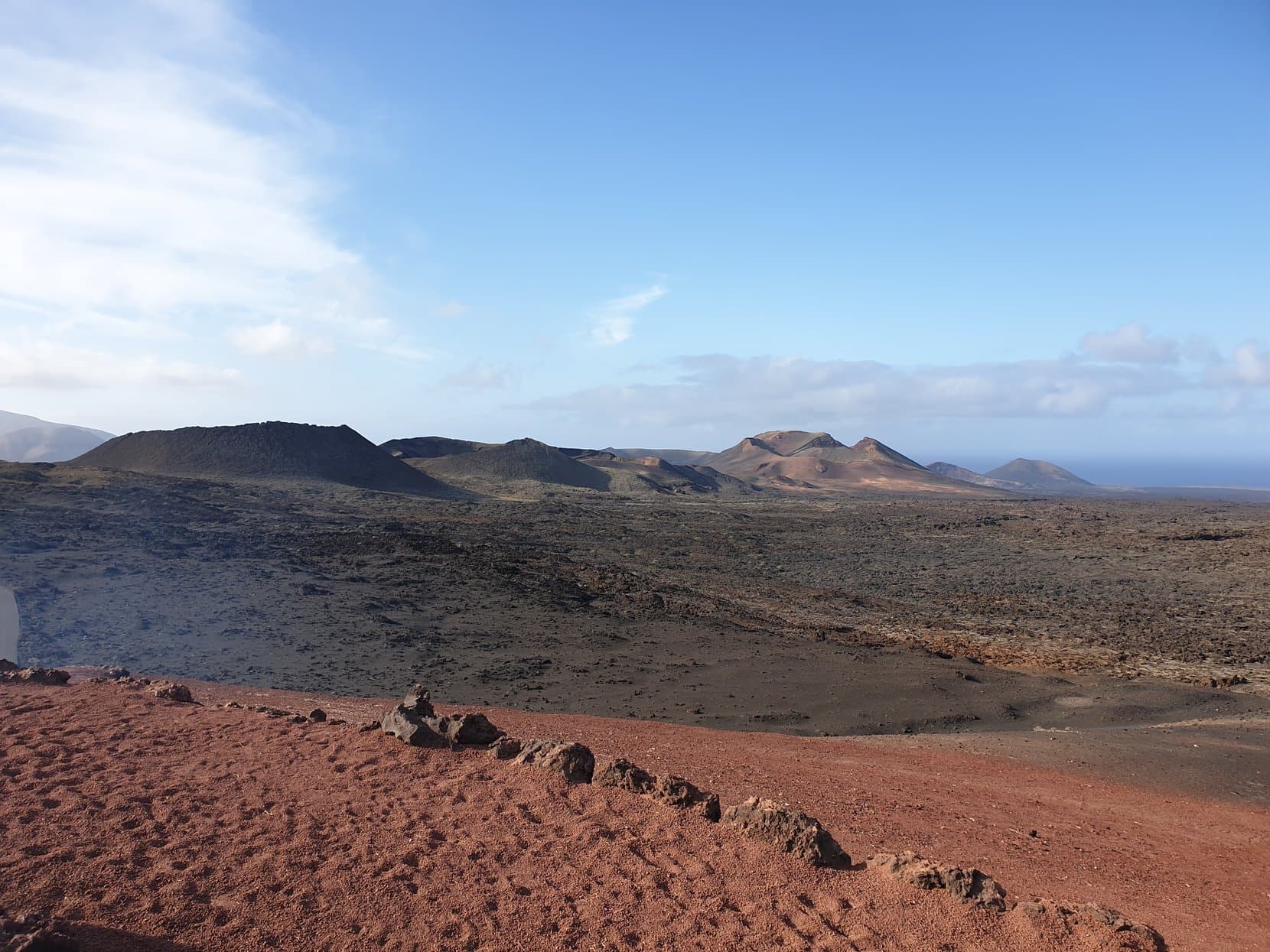
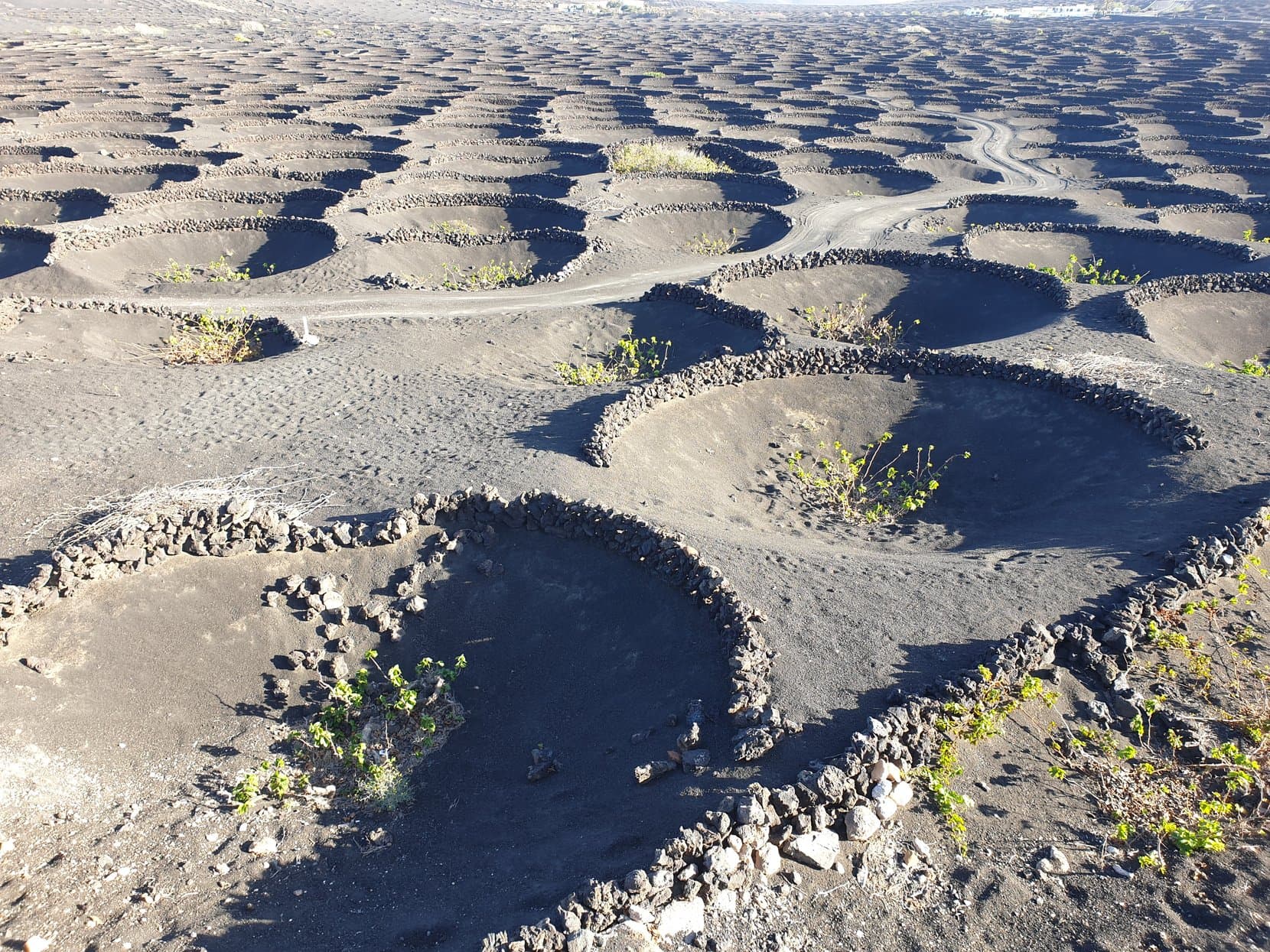
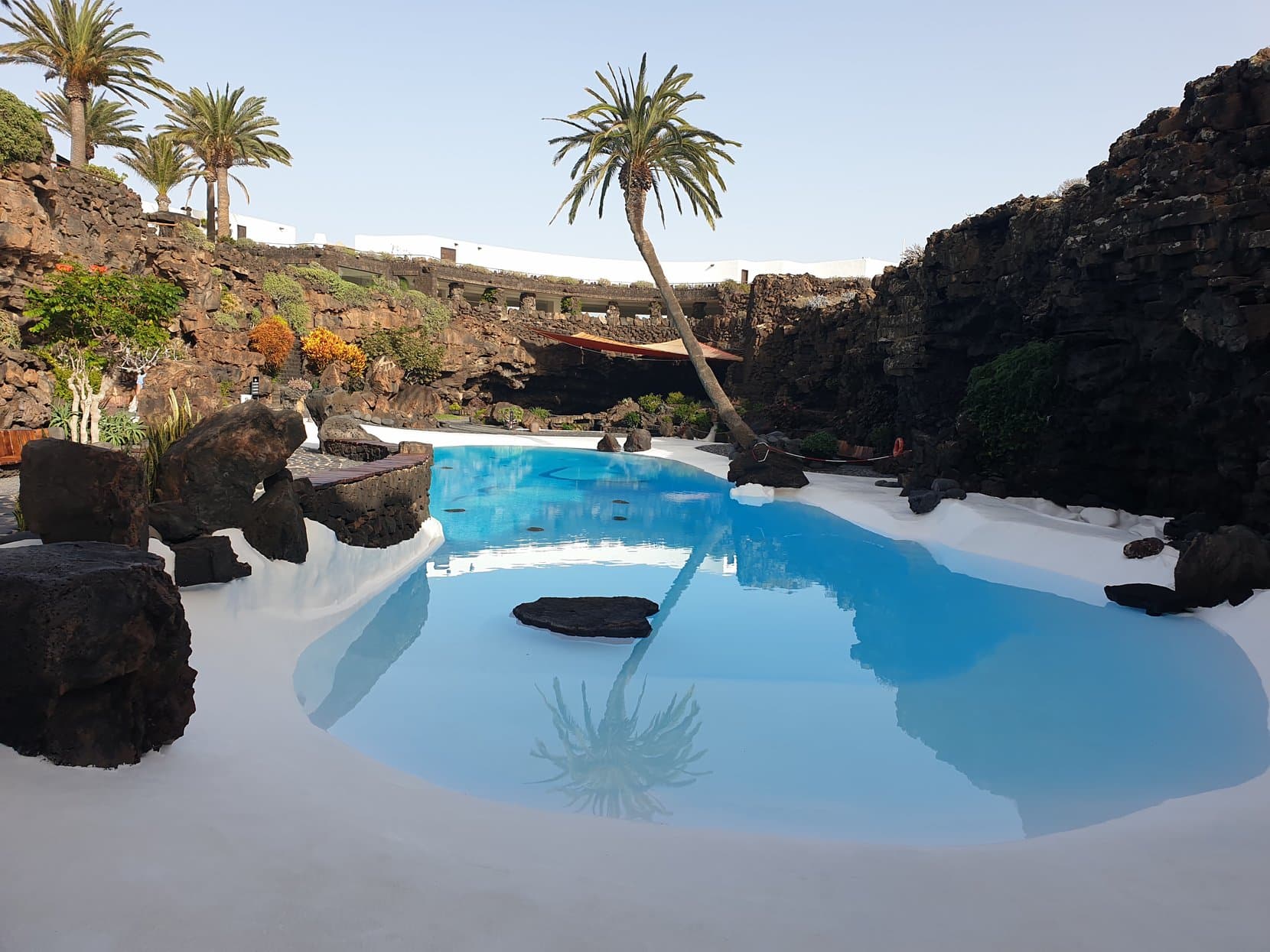
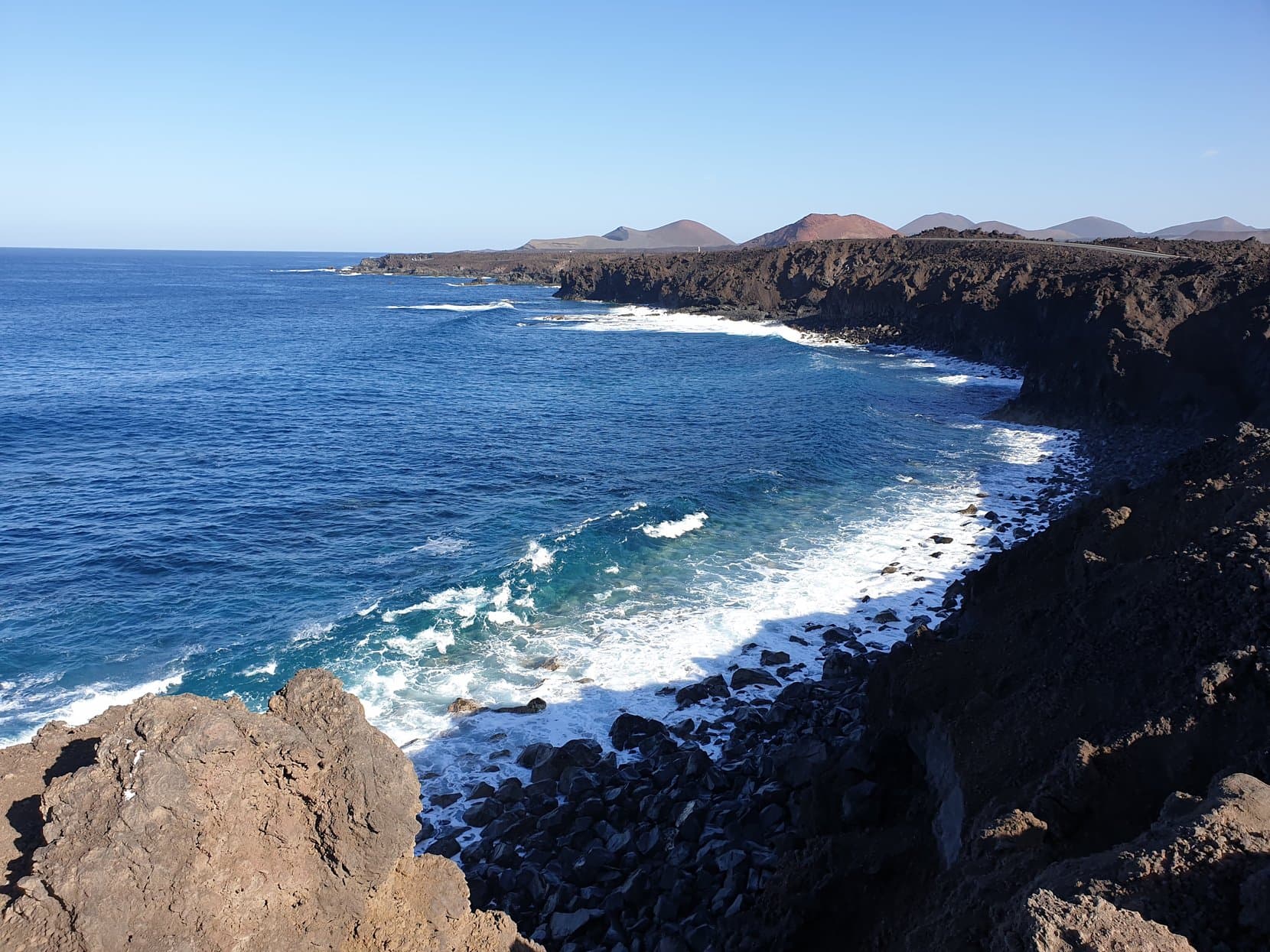
Emphatically yes, and it was the surprise of our four-island trip. It is the closest Europe gets to another planet: ground that still smokes in Timanfaya, vines growing in dug-out craters, turquoise pools inside lava tubes – and the whole island filtered through one designer's eye, built into the lava rather than over it. Everyone we knew kept flying to Tenerife. Lanzarote is the one we came home evangelising about.
Are the Canary Islands expensive?▾
No – this is one of the cheapest warm-winter trips a European can buy. Return flights from most of western and northern Europe typically come in under €150 and sale fares go far lower; that is what getting there costs, not what the trip costs. On the ground, prices sit at or below mainland-Spain levels, rental cars are cheap, and the best landscapes are free. The bed is the only line with real range, and winter – the islands' high season – is when it moves most.
Are the Canary Islands part of Spain – do I need a visa or different money?▾
They are Spain, and the practicalities are as easy as Europe gets: euros, EU roaming, Schengen rules, no border formalities on flights from the mainland or most of Europe. Two quirks worth knowing: the islands keep their own clock, one hour behind mainland Spain and level with London, and they are a special tax zone, which is part of why the duty-free shops and the fuel are noticeably cheap.