Is Mauritania worth visiting?▾
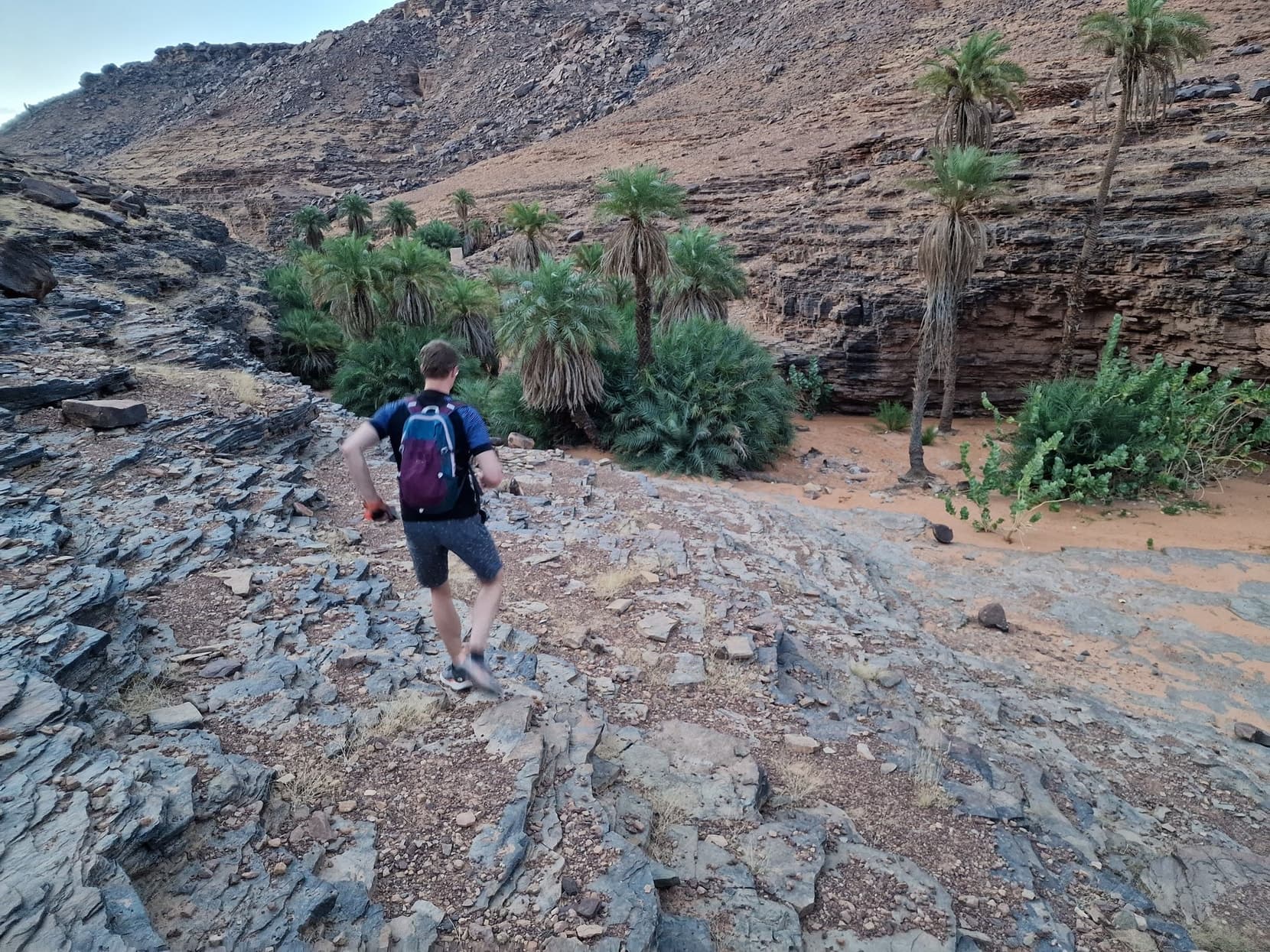
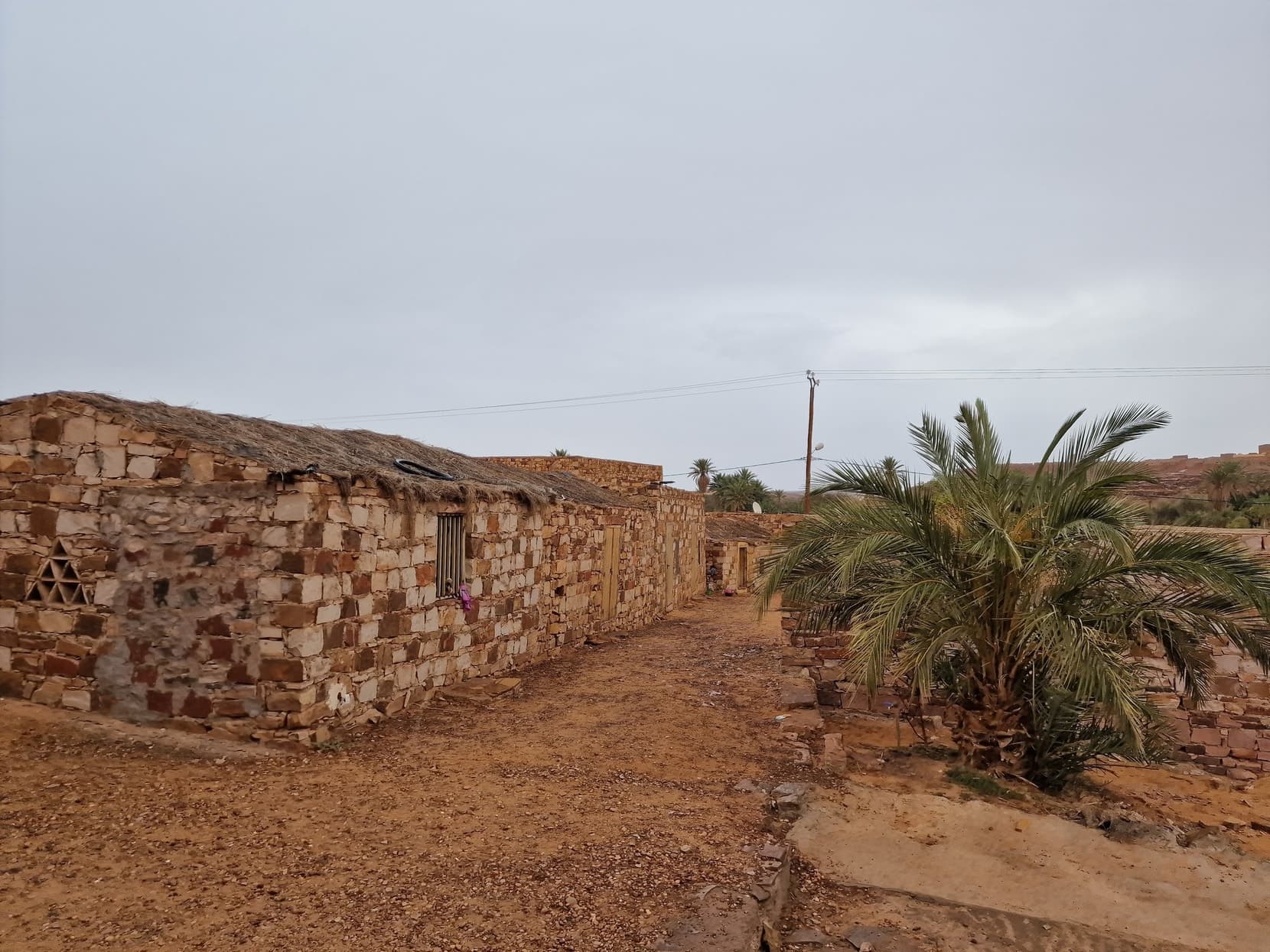
Yes – if the Sahara itself is the draw. This is the desert without the resort layer: an iron-ore train you ride on top of, a 40 km crater famous from space, oasis canyons, caravan-town ruins, and almost no other tourists at any of it. The first local we met who spoke English called it 'the best country in the world', and while that verdict took a currency mix-up to feel literally true, Mauritania ended up the favourite country of our whole West Africa rally. It is an experience destination, not a comfort one – and the experiences exist nowhere else.
Is Mauritania safe to visit?▾
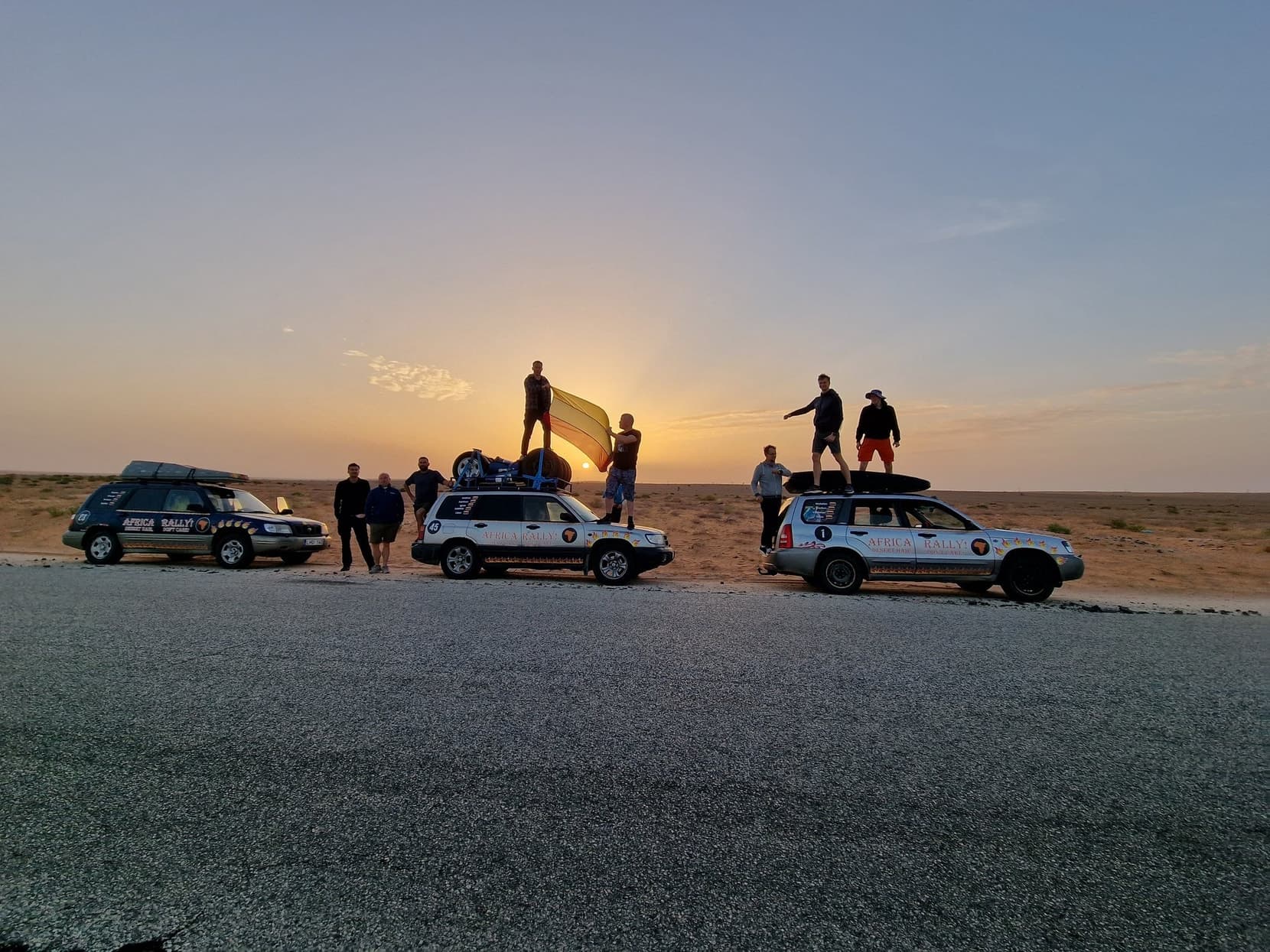
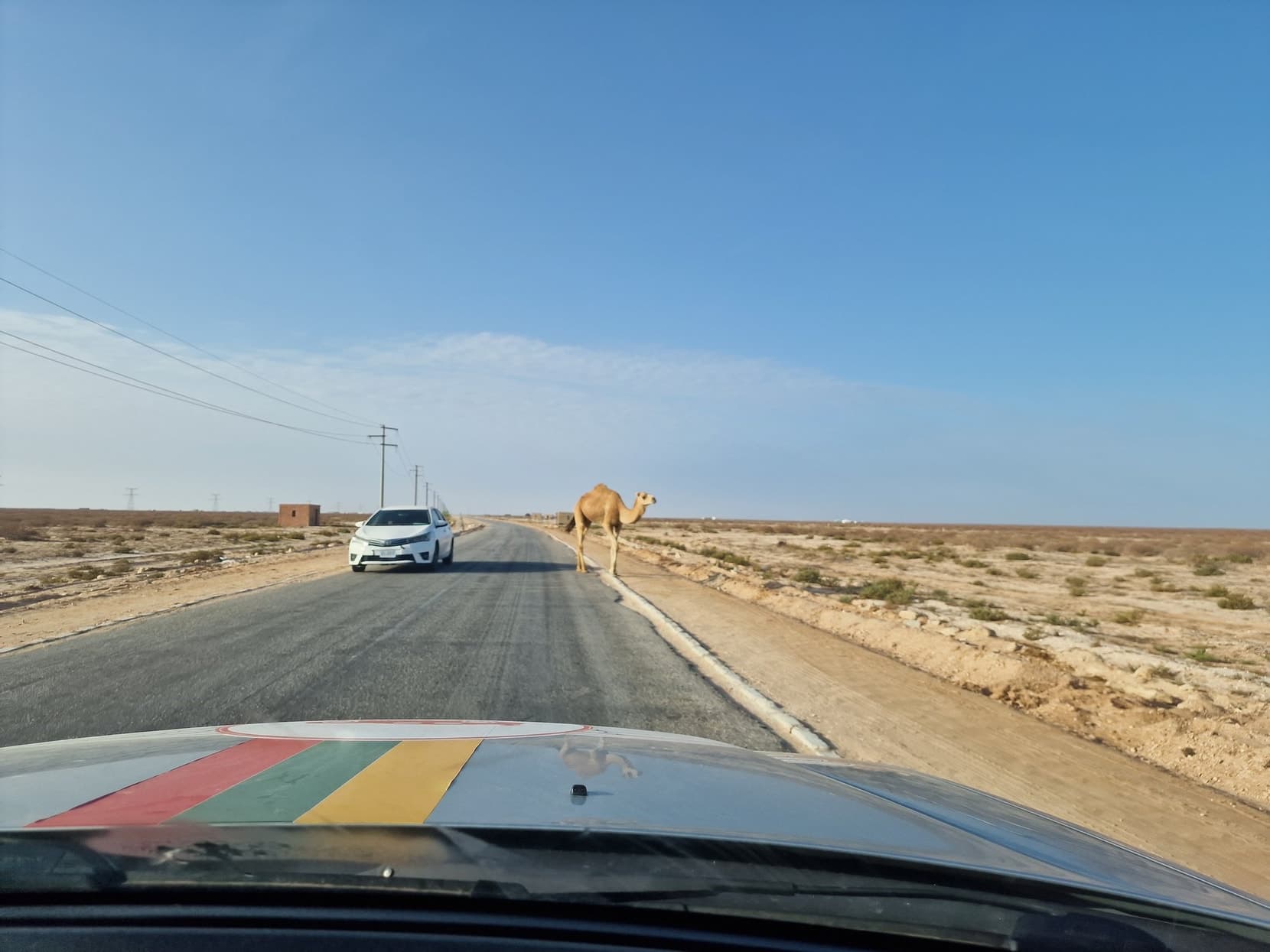
Check your government's travel advice first, and let it outrank everything – this page included. Western advisories mark eastern Mauritania near the Mali border as do-not-travel, and most of the tourist west – the coast, Nouakchott, the Adrar – as travel-with-heightened-care. We drove the western spine as part of a rally and met warmth everywhere; the risks we actually managed day to day were road ones: heat, sand, fuel and distance. Two rules stand regardless: near the northern border, stay on the driven tracks – old ordnance is a real hazard off them – and re-read the advisory just before you fly, because it moves faster than any guidebook.
Can you really ride the iron-ore train?▾
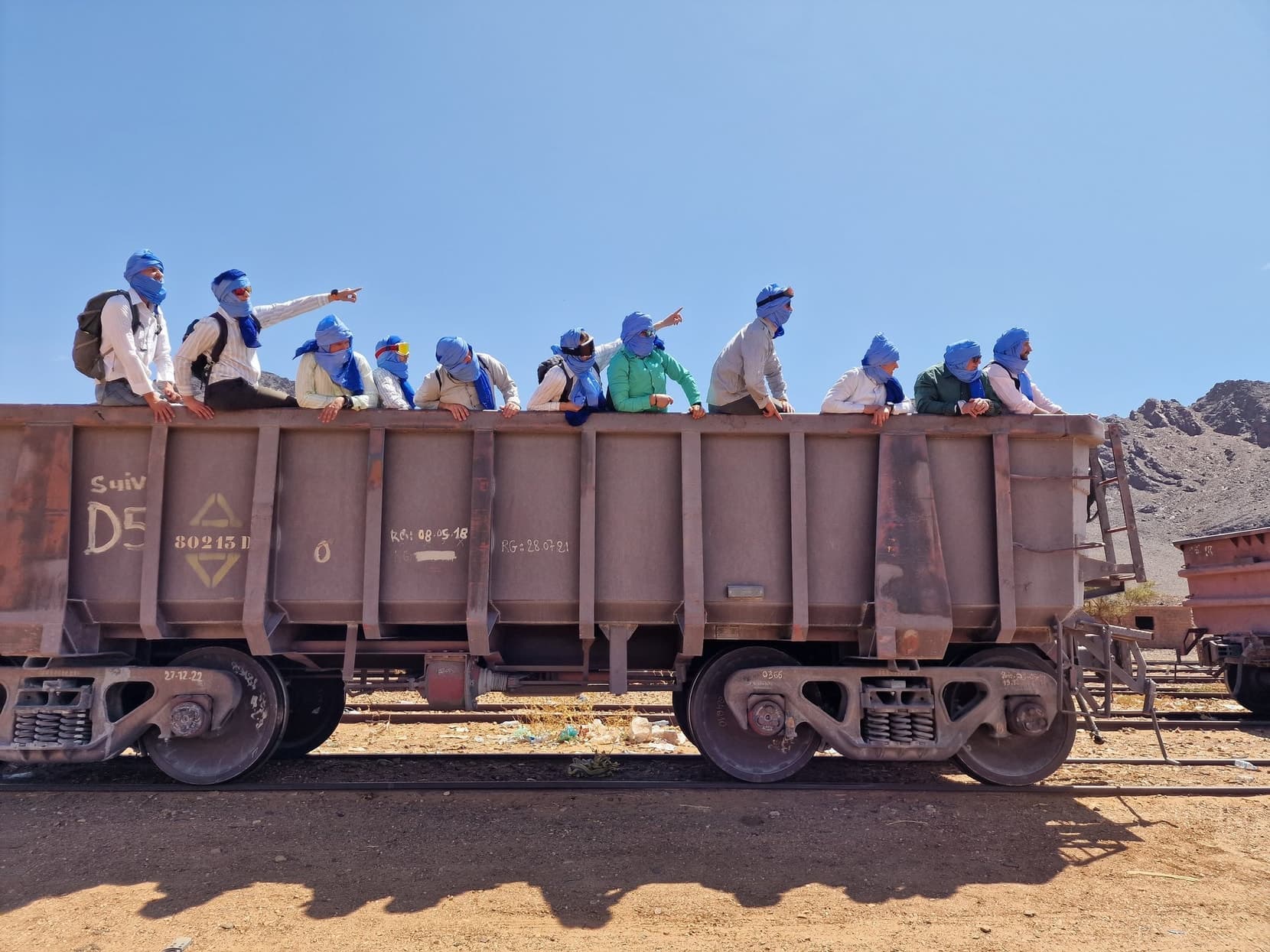
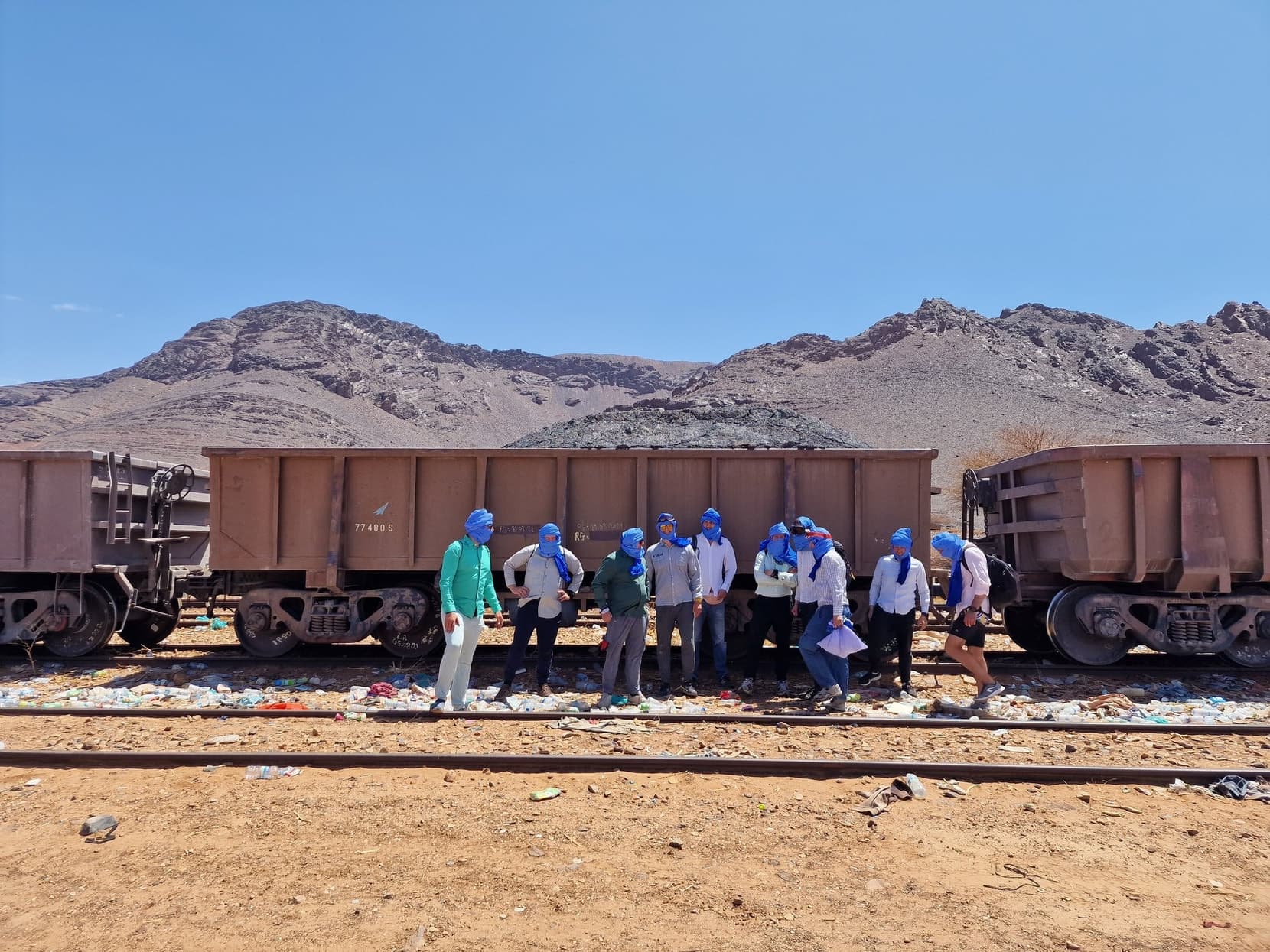
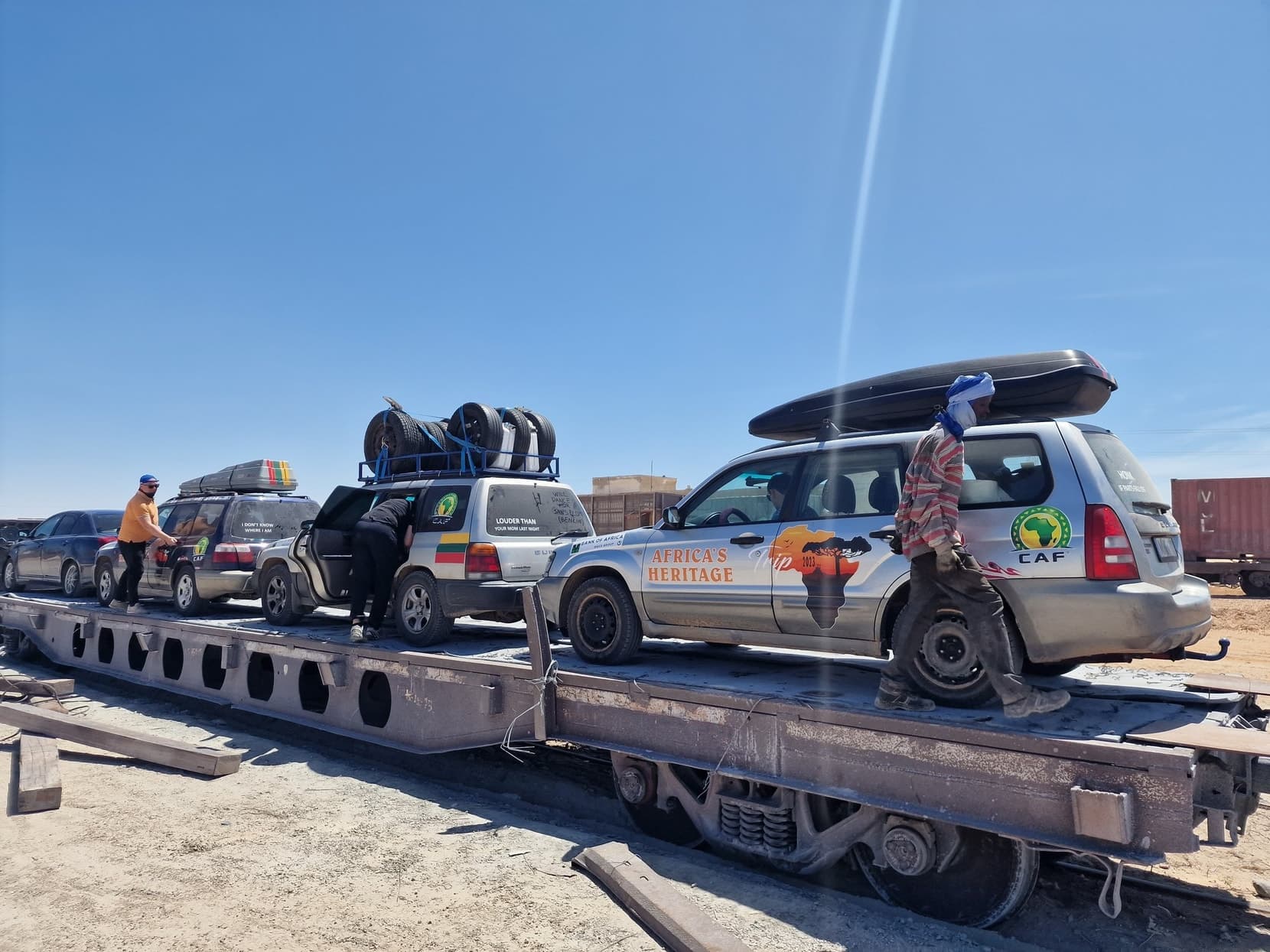
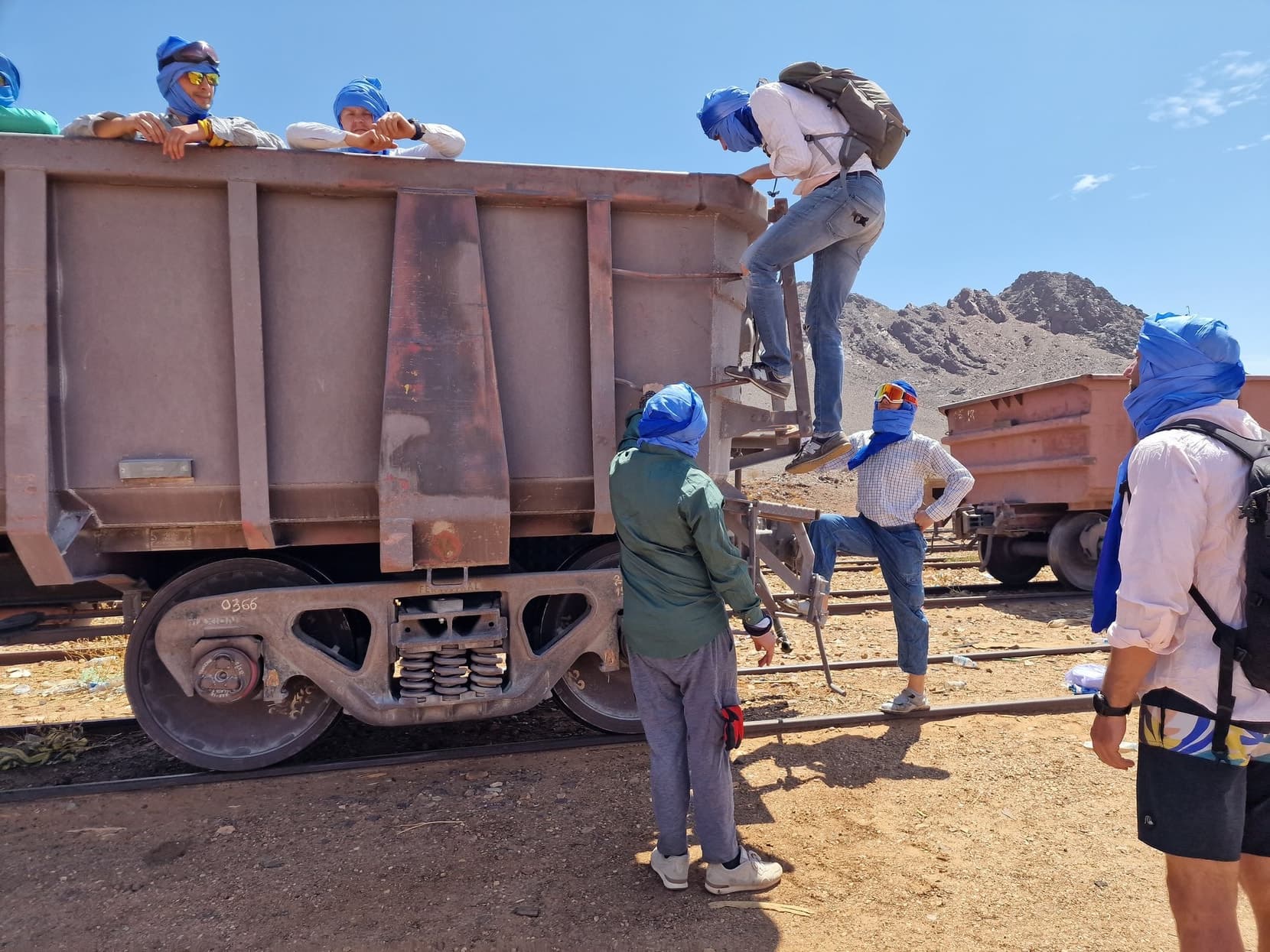
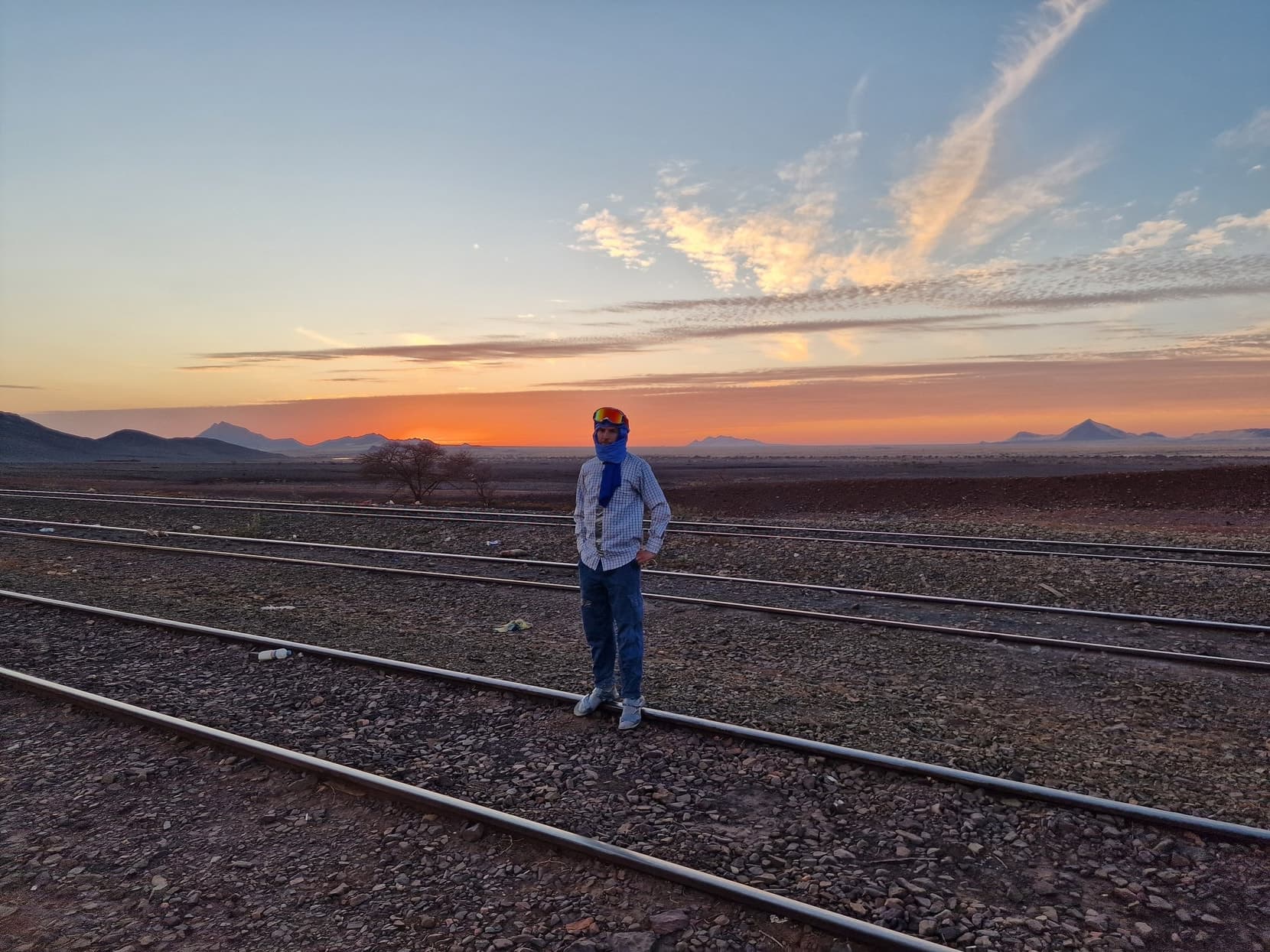
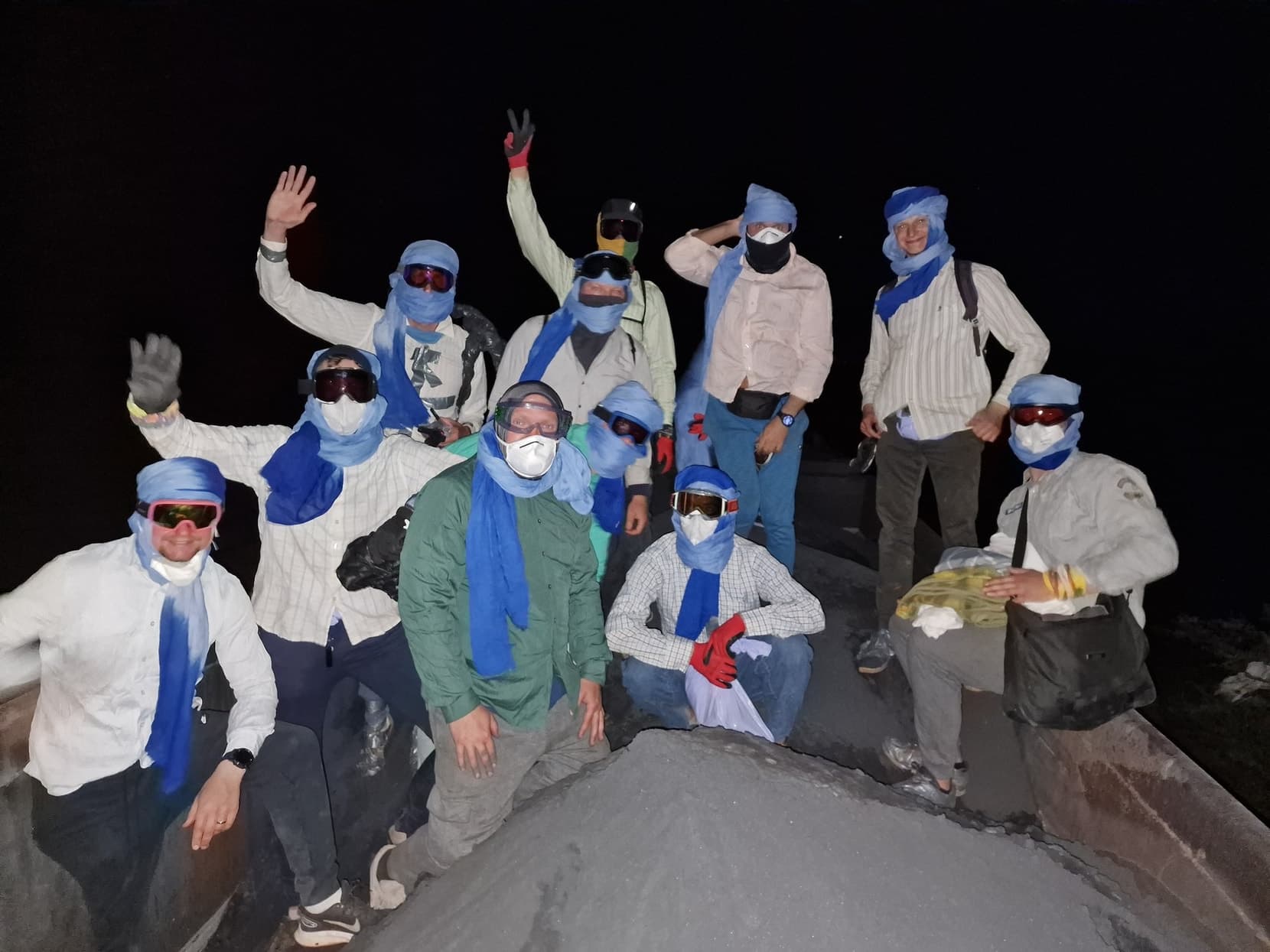
Yes. It is a working freight line, not a tourist service: no timetable you can plan around and no tickets in any normal sense – a battered passenger carriage sometimes rides along, but the experience is the top of the train: you wait by the rails in the desert and climb onto the ore when it stops. People cross the world to do exactly that. We rode it through a cold Sahara night and it is the single best reason this country is on this site. It punishes casual attempts and rewards prepared ones; know how the boarding, the kit and the getting-off work before you stand at those rails.
Can you visit the Eye of the Sahara?▾
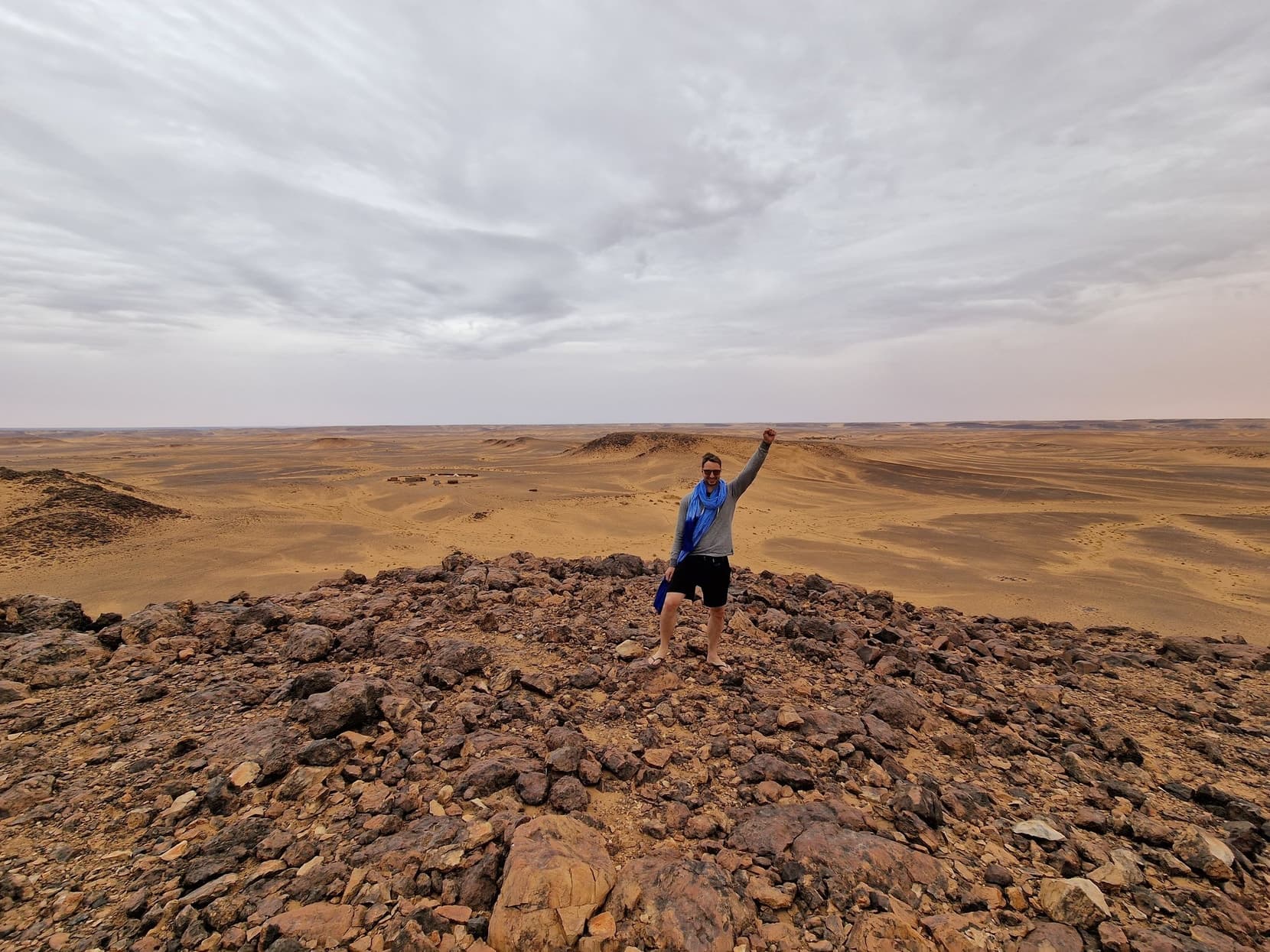
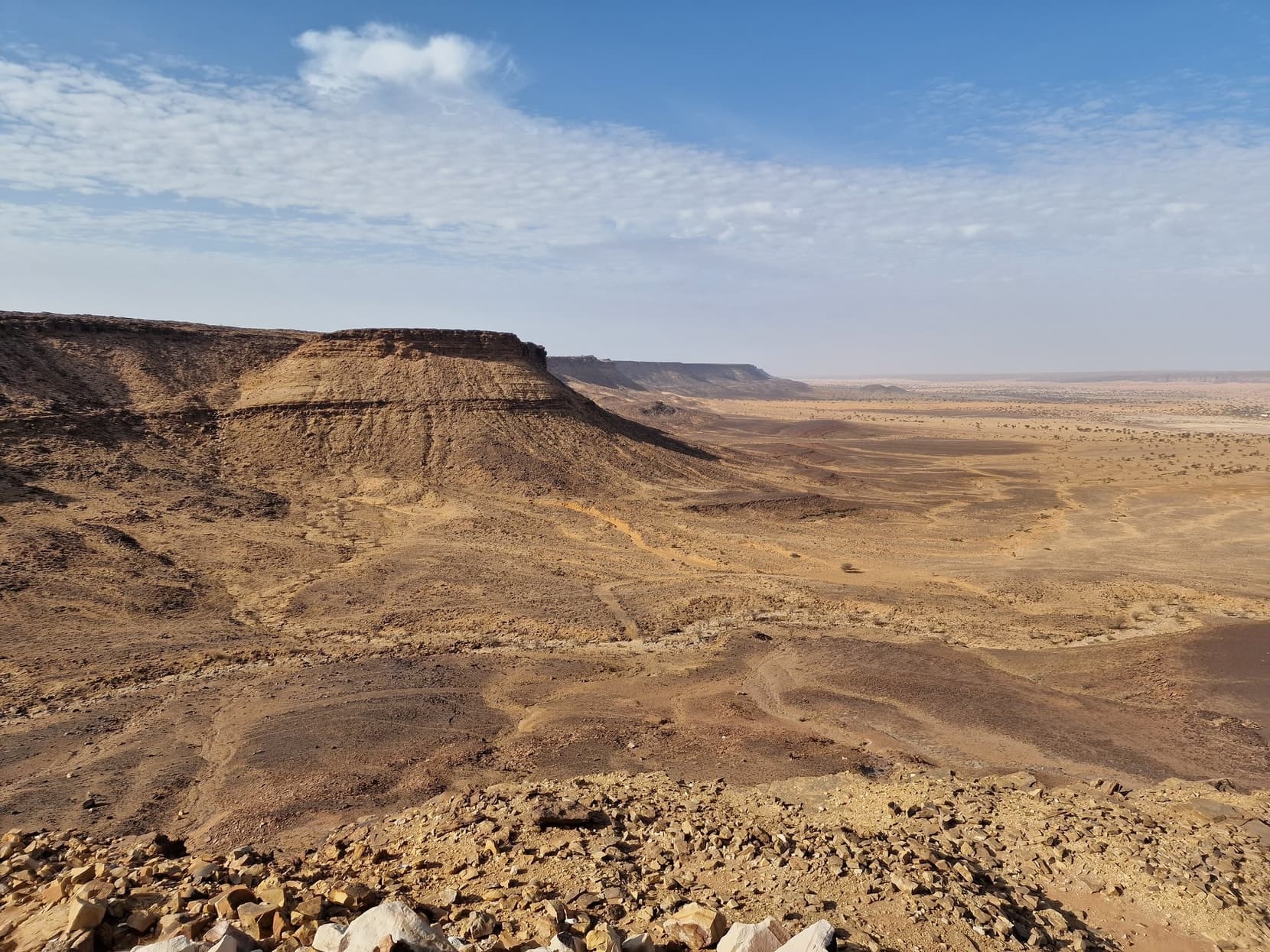
Yes – and almost nobody does. Know what you are visiting: the rings are so wide that the famous shape never appears from the ground – what you get instead is a mountain rising at the centre, long curved ridges, and desert scenery that is a reward of its own. The prize is standing in the centre of a thing millions recognise from space, having crossed hours of sand and rock to do it; when we were there, the local check-in count stood at about a hundred and seventy. Getting there is the filter – ordinary cars do not survive the route, so the visit runs on a hired 4x4 with a local driver who knows the ground.
Can you fly over the Eye of the Sahara?▾
Not on any tour we could find. When we checked there was no airfield at the structure and no balloon or scenic-flight operator offering the view – the famous image lives in satellite photos. The realistic way to see the shape from above is a window seat on a regular passenger plane whose route crosses the Adrar. On the ground the visit is the opposite experience, and the better one: you stand inside the thing the rest of the world only looks down at.
How many days do you need in Mauritania?▾
Five to seven for the trip most people imagine: the Adrar's oases and caravan towns, the Eye of the Sahara, and the iron-ore train. Three to four covers the Adrar without the two big rides. The full overland crossing – Morocco to Senegal – is a two-week trip and a different kind of holiday. Whatever the number, leave slack around the train: it does not run on your schedule, so your schedule has to bend around it.
When is the best time to visit Mauritania?▾
November to February. Winter is the Sahara at its most humane: warm days, cold nights, everything on the trip workable. By late spring the interior is brutal by mid-morning – we crossed in May and would not recommend it to anyone with a choice. The desert plays both sides of the thermometer all year: whatever the season, days cook and nights bite.
Do you need a 4x4 in Mauritania?▾
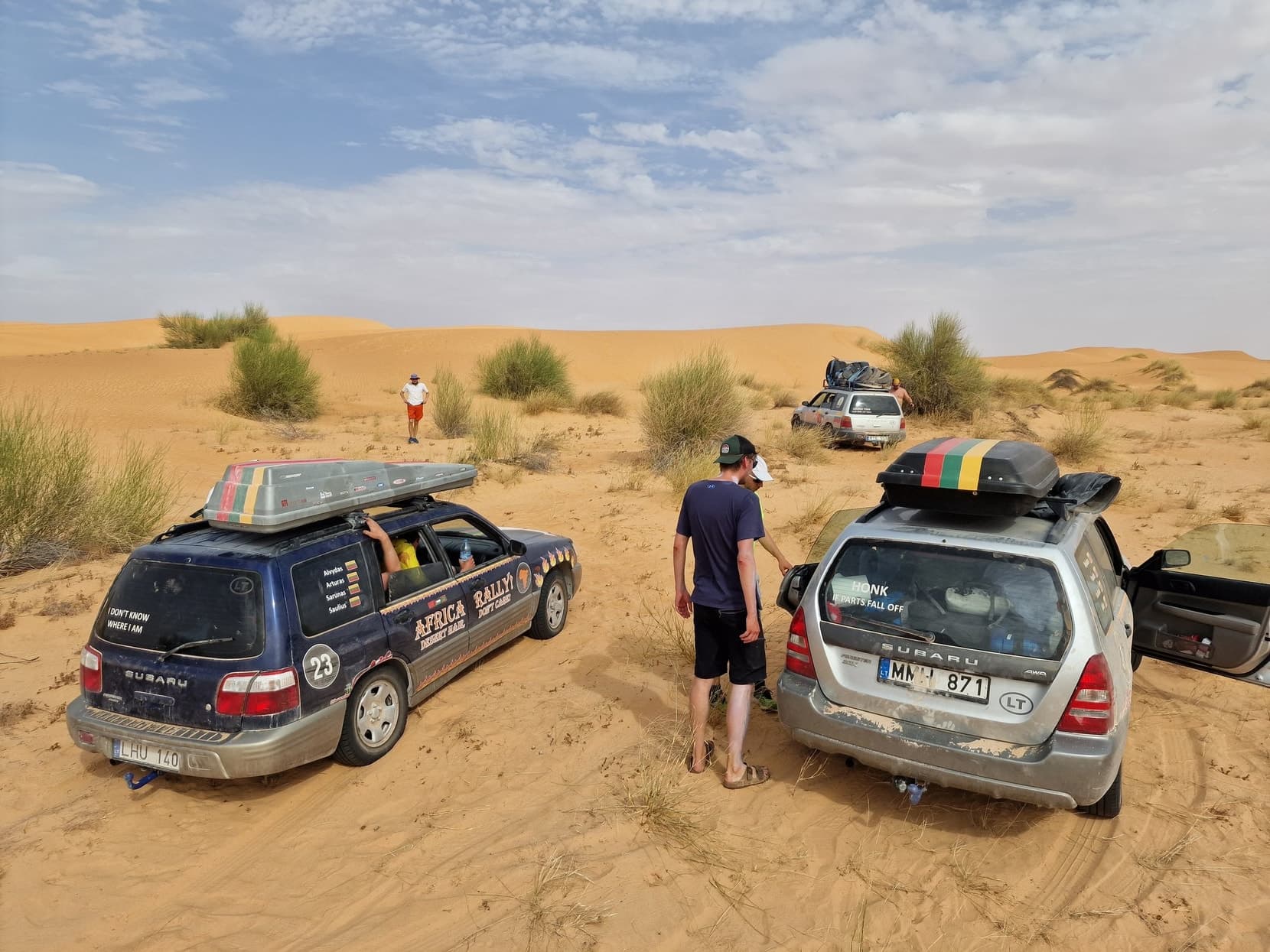
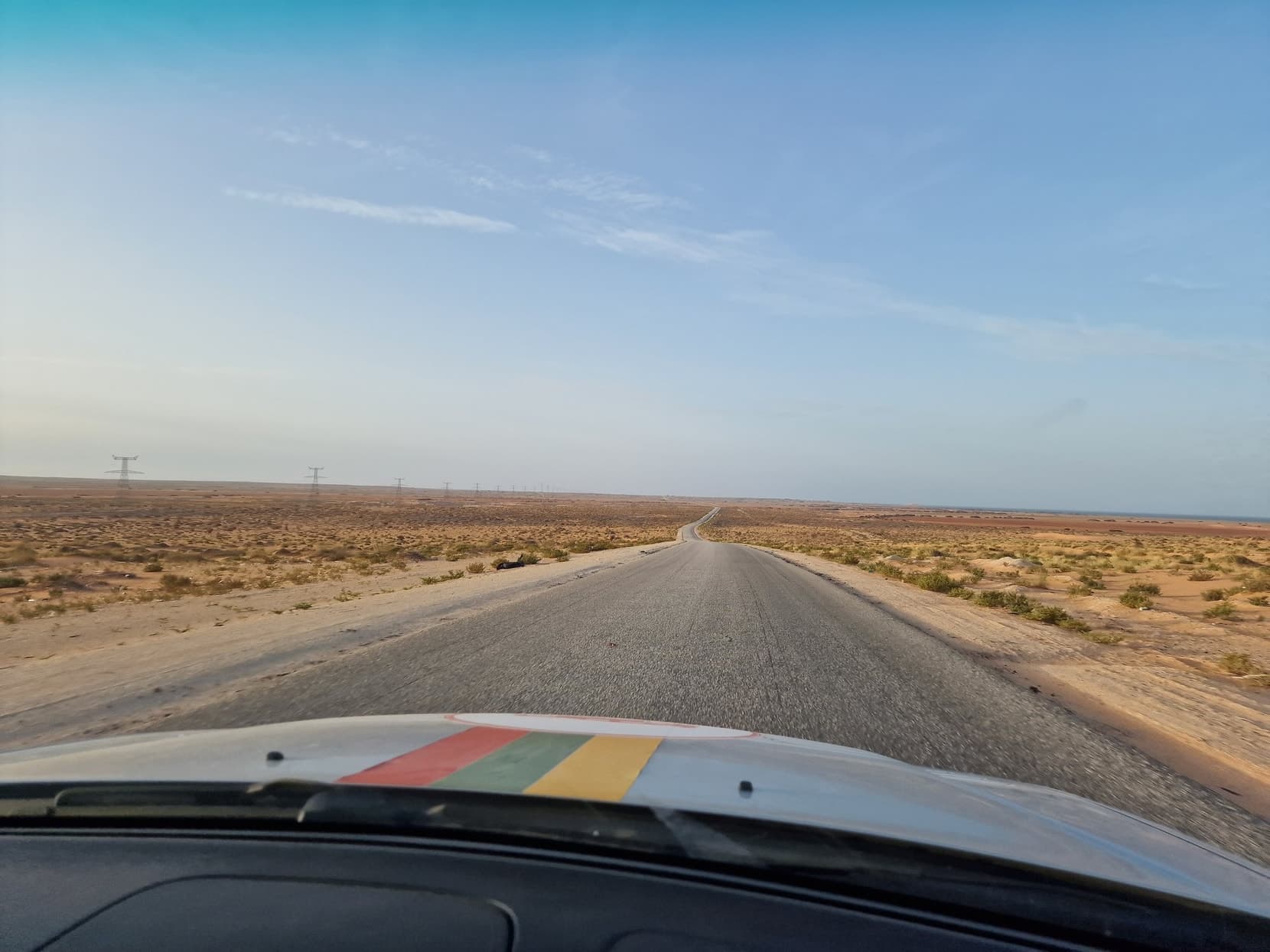
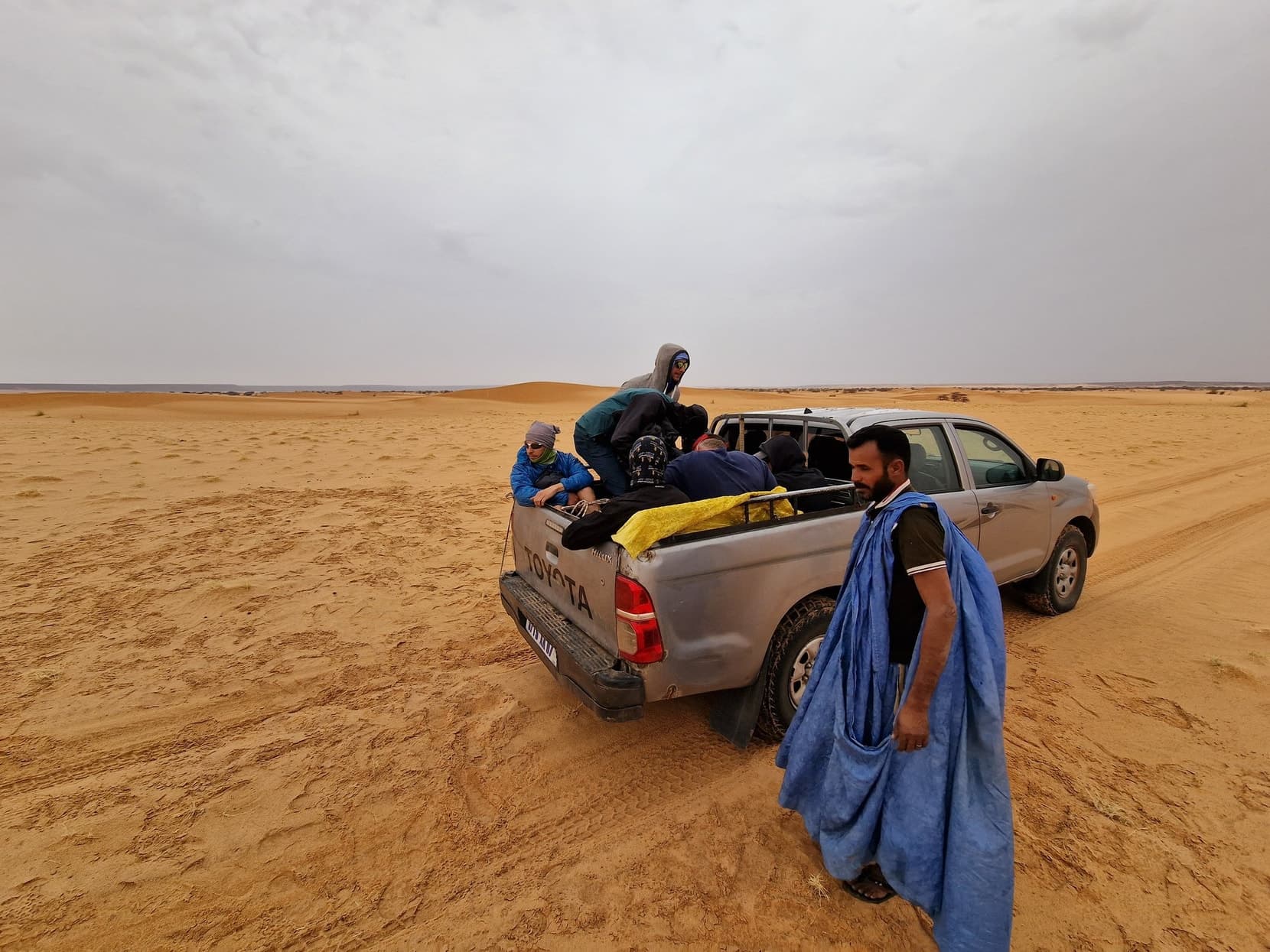
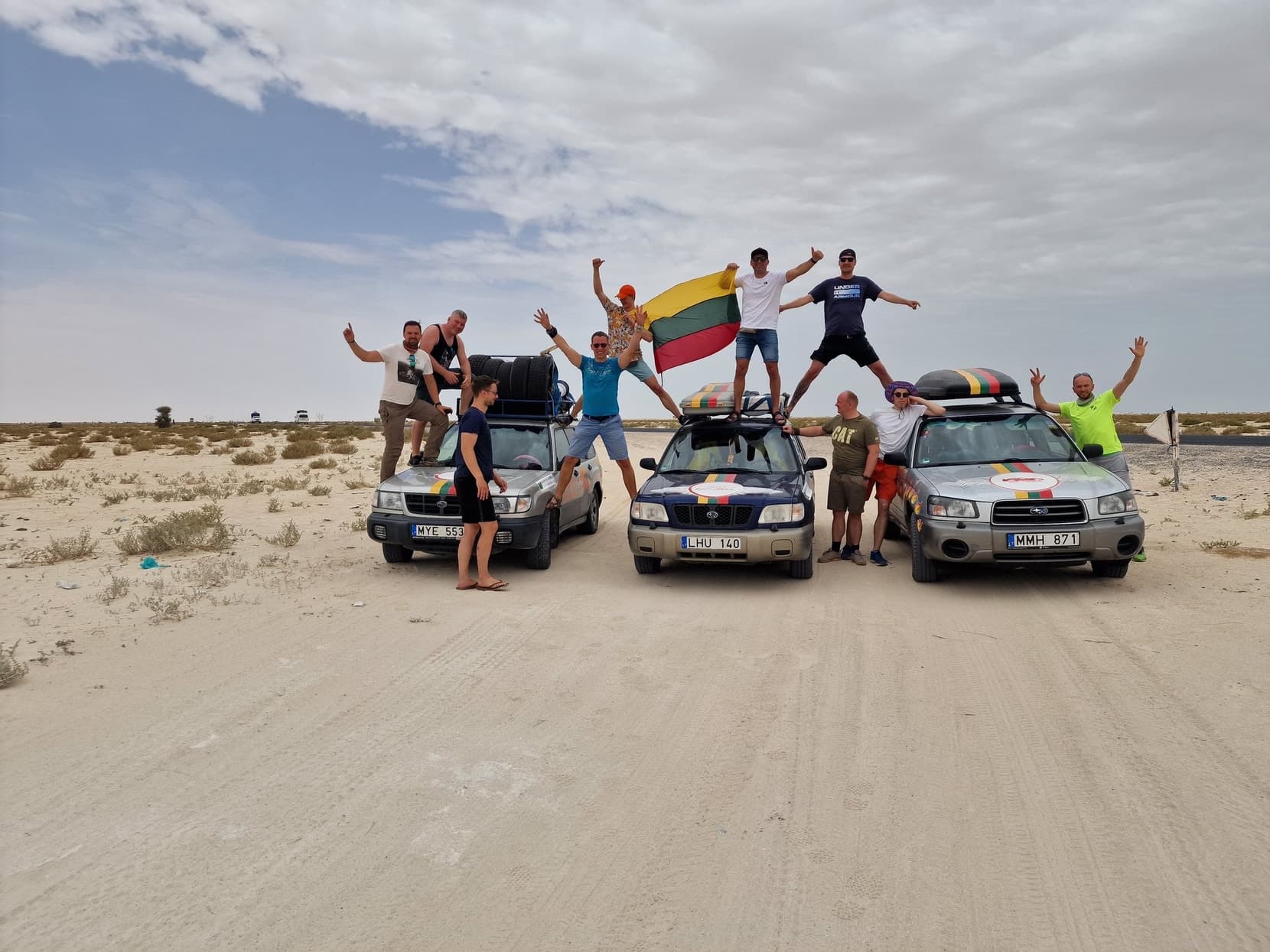
Not for the spine of the country. The tarmac between Nouakchott and the Adrar is a normal road, and ordinary cars run it daily – our street-legal Subarus did. You need a real 4x4, with a local driver, for exactly one thing most visitors want: the Eye of the Sahara and the deep-desert ground around it. Hire that capability for the days that need it instead of carrying it all trip.
Do you need a visa for Mauritania?▾
Most Western passports can obtain a visa on arrival – it exists, it works, and it is how we entered at the land border. Rules and fees move, so verify against an official source close to travel, not a forum thread. And allow real time at any Mauritanian border: paperwork here is a human process, not a machine one.
Is Mauritania expensive?▾
Getting there is the expensive part – return flights from Europe run about €700, and that is the number to plan around. The country itself is cheap: beds are modest and priced to match, food is simple and costs little, and most of what you came for – the desert, the ruins, the coast – is free to look at. The two paid pillars of a good trip are the hired 4x4 days and the train ride done properly. Budget flights-first and the rest follows.
What should I know about money in Mauritania?▾
That there are two of it. The ouguiya was redenominated in 2018 – one zero dropped – and many people still quote prices in the old money, ten times the real figure. Ask which one you are hearing and do the division before agreeing to anything. Then plan your cash down to the end of the trip: the ouguiya is effectively worthless outside the country, and changing leftovers back later is a workaround, not a transaction.