TestedRoutes
GuidesDestinationsInspireAbout me

TestedRoutes Newsletter

Field-tested travel routes, in your inbox when they drop.

© 2026 TestedRoutes. All rights reserved.

ContactFAQLegalTermsPrivacyRefundsSecurityAffiliate disclosureSitemap

We independently review everything we recommend. When you buy through our links, we may earn a small commission at no extra cost to you. More on how this works.

ExploreGuidesDestinationsInspireAbout
Destinations›Canary Islands›Lanzarote

Canary Islands · Spain

Lanzarote

Is it worth visiting, how many days it needs, and when to go – the strangest of the four big Canary Islands, and the most underrated.

Paulius Pikelis

Tested by Paulius Pikelis · 140 countries

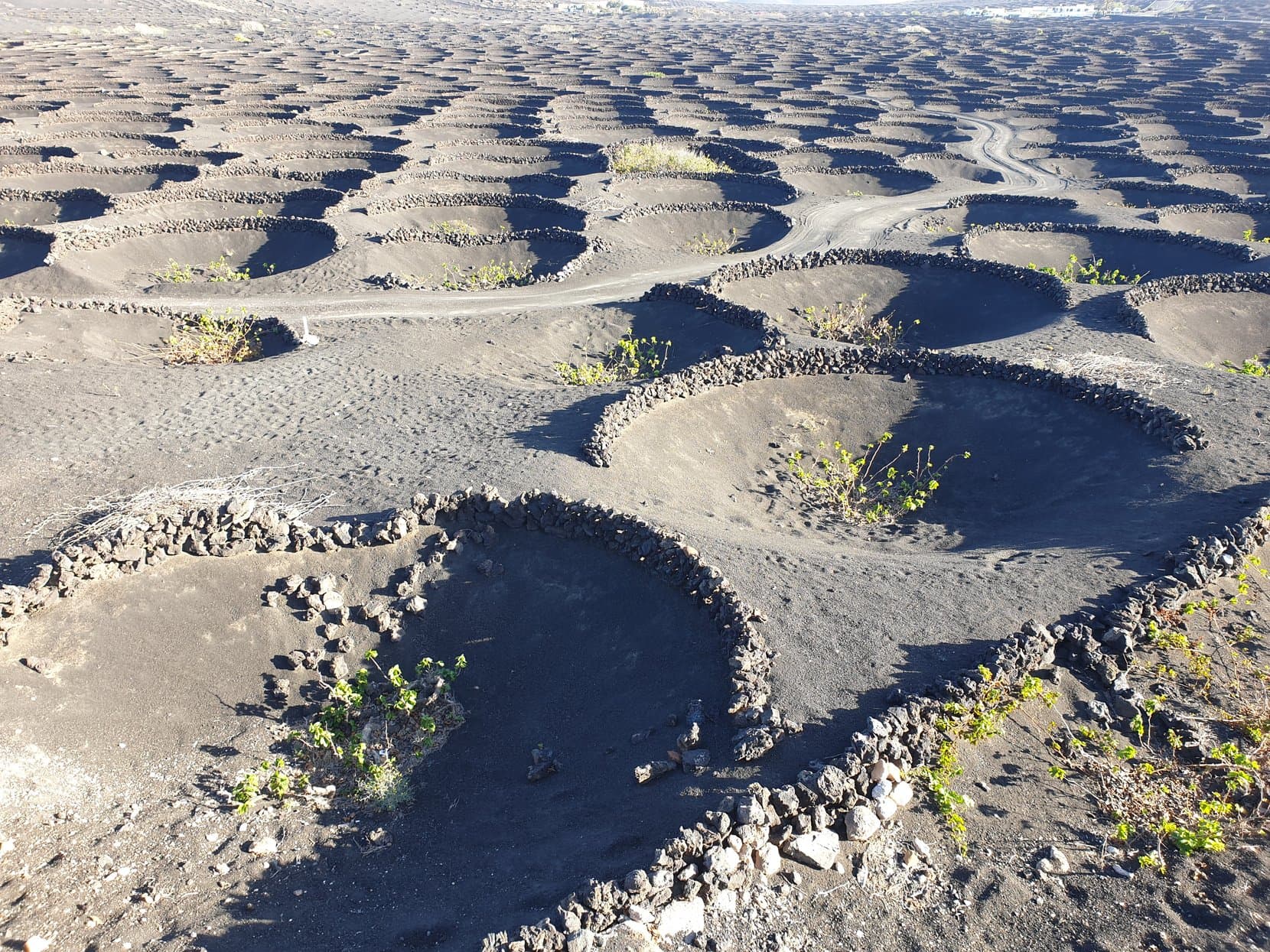
Thousands of dug-out craters with single vines behind stone walls in the black ash of La Geria, Lanzarote

Is Lanzarote worth it, and what do you actually do there

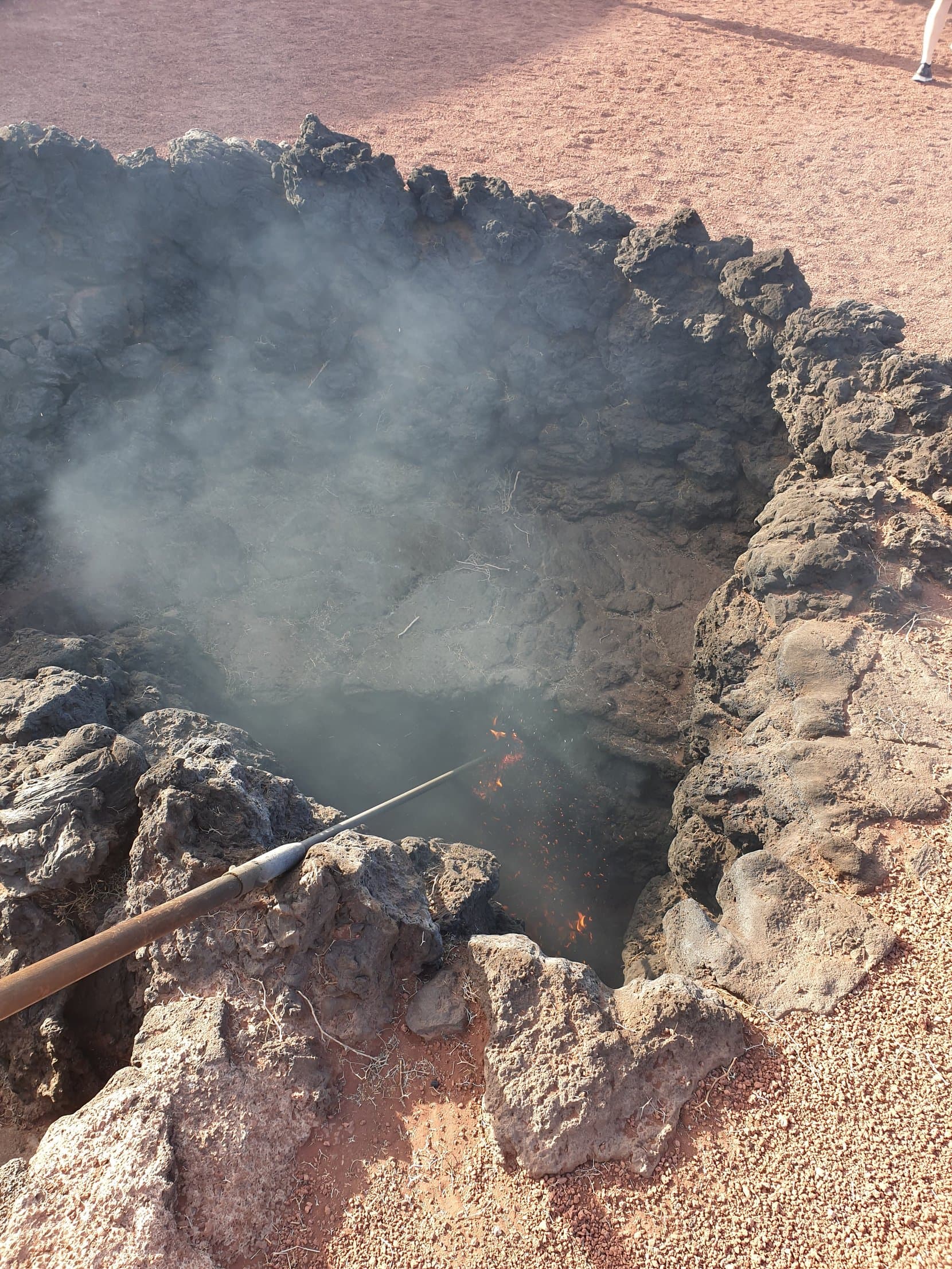
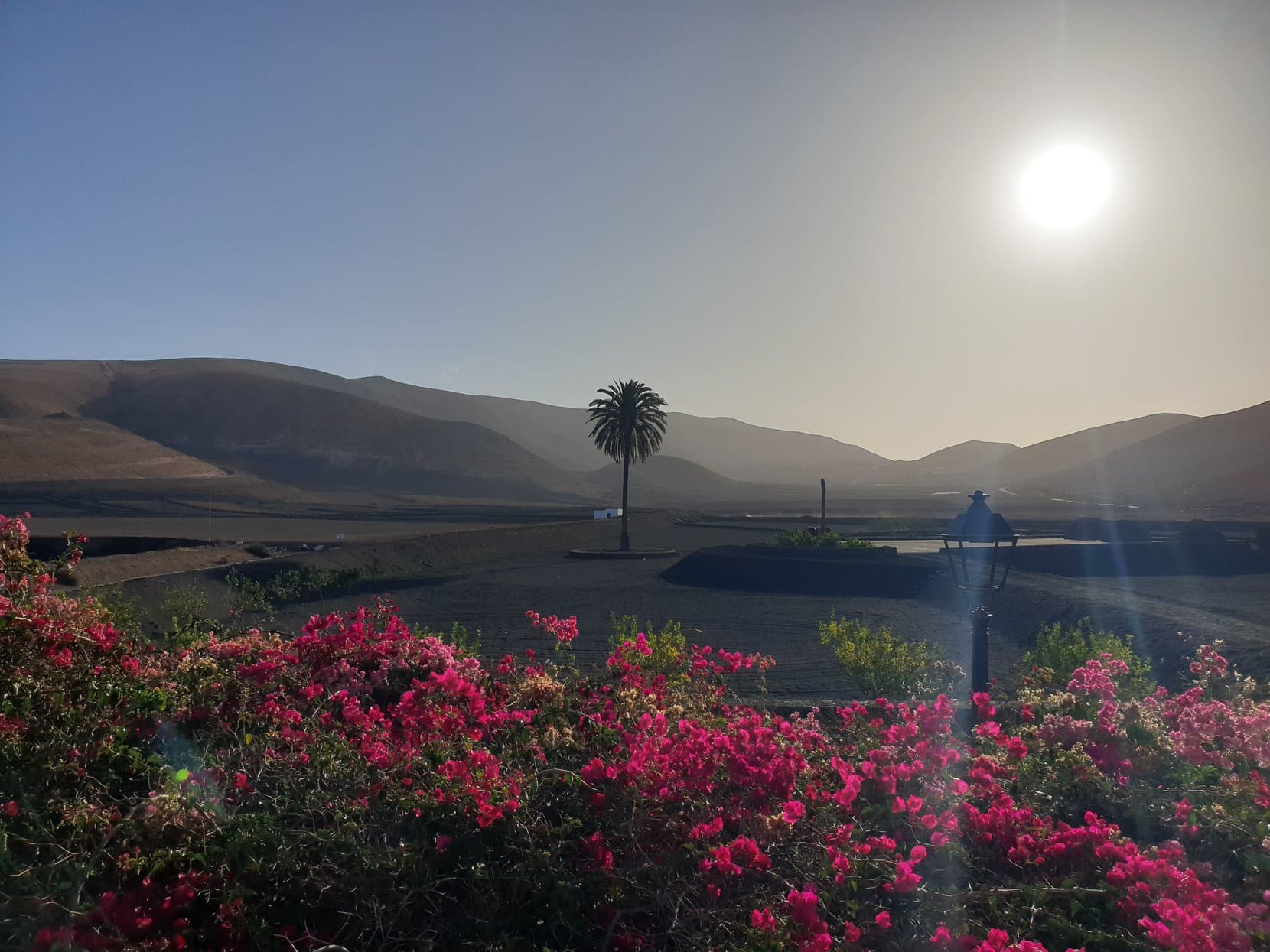
Lanzarote rearranged my expectations more than any island on our four-island November run. We came off the ferry in the late afternoon, drove to the southern tip, and the first sunset at Papagayo set the tone - we later rearranged a whole day just to see it again. But the island's real argument starts inland, where the ground is still busy: in Timanfaya the wind howls over lava fields that have not yet decided to become soil, thin smoke rises out of the earth, and a bucket of water poured into a tube comes back as a geyser.

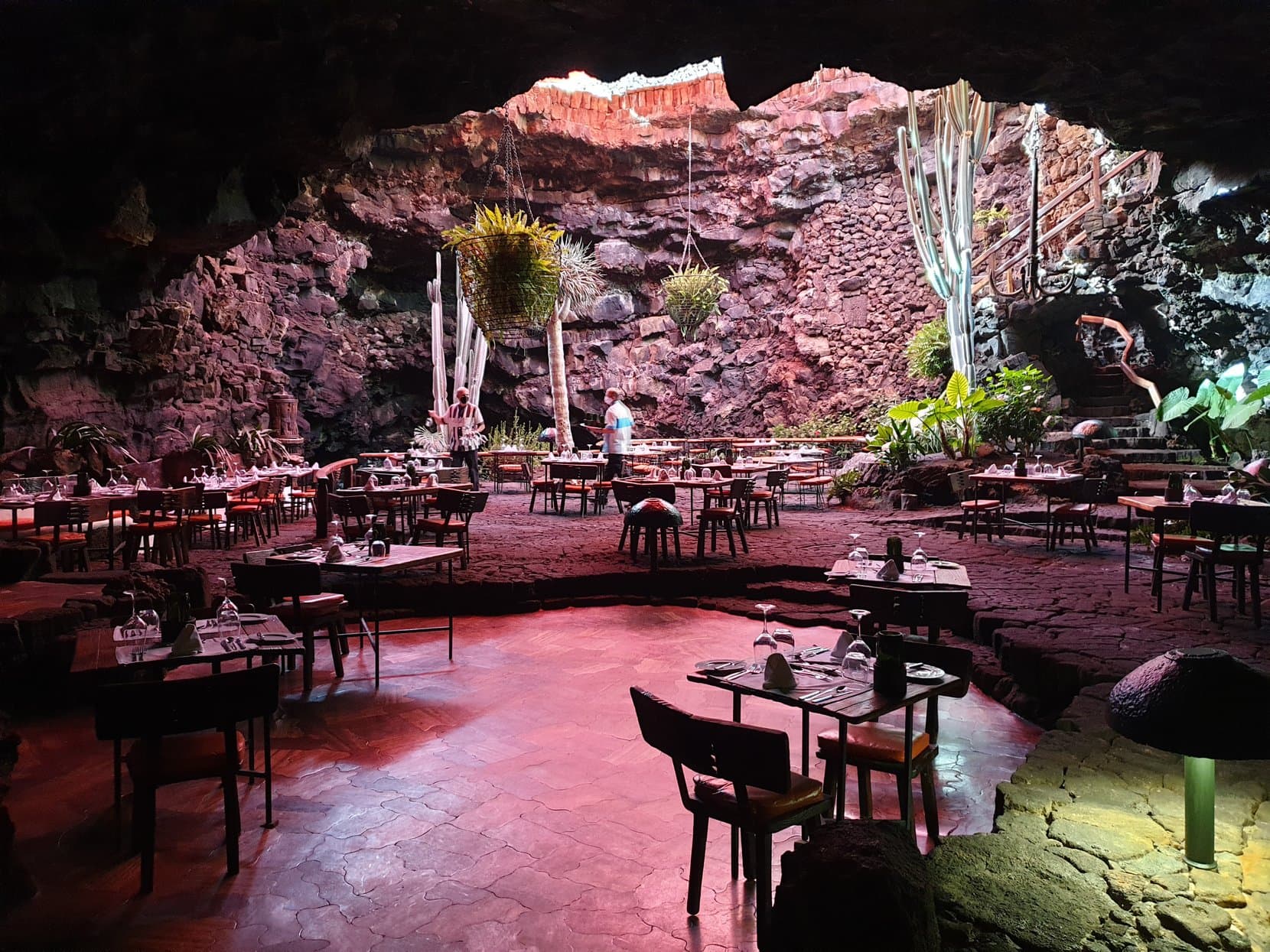
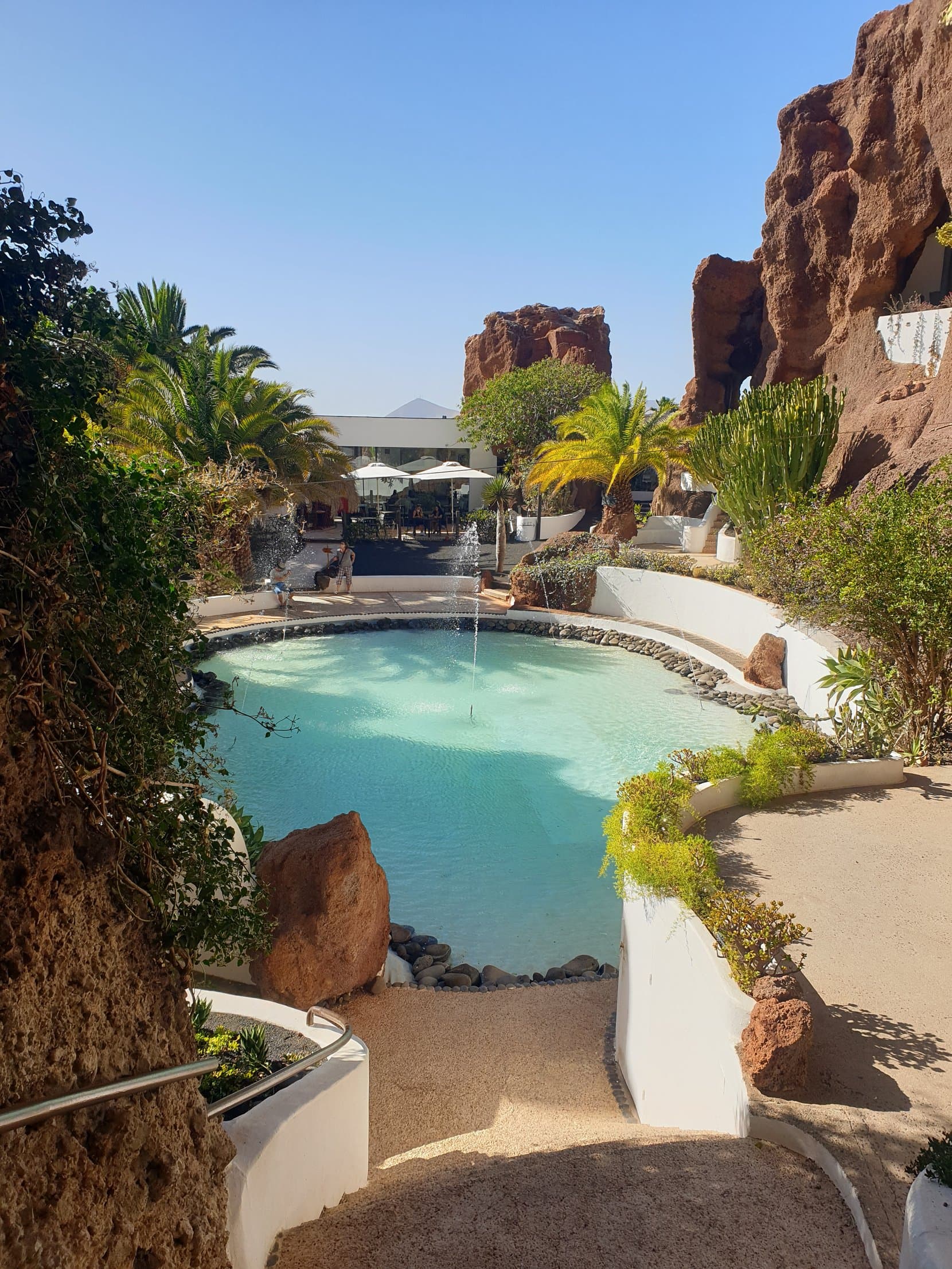
Then there is the part no other volcanic island has: a designer. César Manrique built into the lava rather than over it, and his projects run through the island like connective tissue - a turquoise pool inside a collapsed lava tube, a restaurant in the cave beside it, a house folded so improbably into the rock that I kept checking it was real, a cactus garden planted in an old quarry. Even the agriculture went alien: in La Geria every vine grows in its own dug-out crater behind a curved stone wall, thousands of green dots ordered across black ash. It looks like land art and functions as a vineyard.

What you do, practically: one day for the fire country, one for the Manrique north with the cliff-top view over La Graciosa and an evening dip in the natural pools, one morning for the west coast's green lagoon, sea arches and salt flats - and beach time at Papagayo stitched between. Three full days and a first-evening sunset never repeated a landscape. The friends who kept flying to Tenerife never mentioned this island. I have not stopped mentioning it since.

When to go

No closed season, and less seasonal than its greener neighbours - the landscape here does not depend on rain.

November to March

The winter-sun season: warm afternoons, a swimmable sea, and the volcanic landscapes at their most photogenic in low light. This is when we went, and when the island's high season runs.

April to June

Quieter and mild - the lull between the winter escape and the summer holidays, with long light on the lava fields.

July and August

Hottest and busiest, with the trade winds at full strength. The island still works; the beaches share themselves.

September and October

The warmest sea and the thinnest crowds - the quiet sweet spot for a swimming-first trip.

What I would pick

Winter, without hesitation - Lanzarote is the rare place where the landscape needs no greenery, so the brown months cost nothing and the low winter light flatters the black fields and white villages.

How long to stay

A long weekend

Feasible - the island is compact - but it compresses the strangeness into a checklist. Timanfaya, one Manrique site and a sunset fit; the island deserves the slower version.

Five days

The core trip: the fire country, the Manrique sites at an unhurried pace, the west coast morning, the northern cap, and beach time at Papagayo.

Seven days

Comfortable, with pool days between the sightseeing and time to repeat what earns repeating - our best sunset here got a second visit.

Pairing islands

Lanzarote pairs naturally with Fuerteventura - a short ferry connects them, which is what makes the two one trip. The archipelago page compares all four islands if you are still choosing.

Choosing between islands rather than within one? The Canary Islands page compares all four.

The island, in four parts

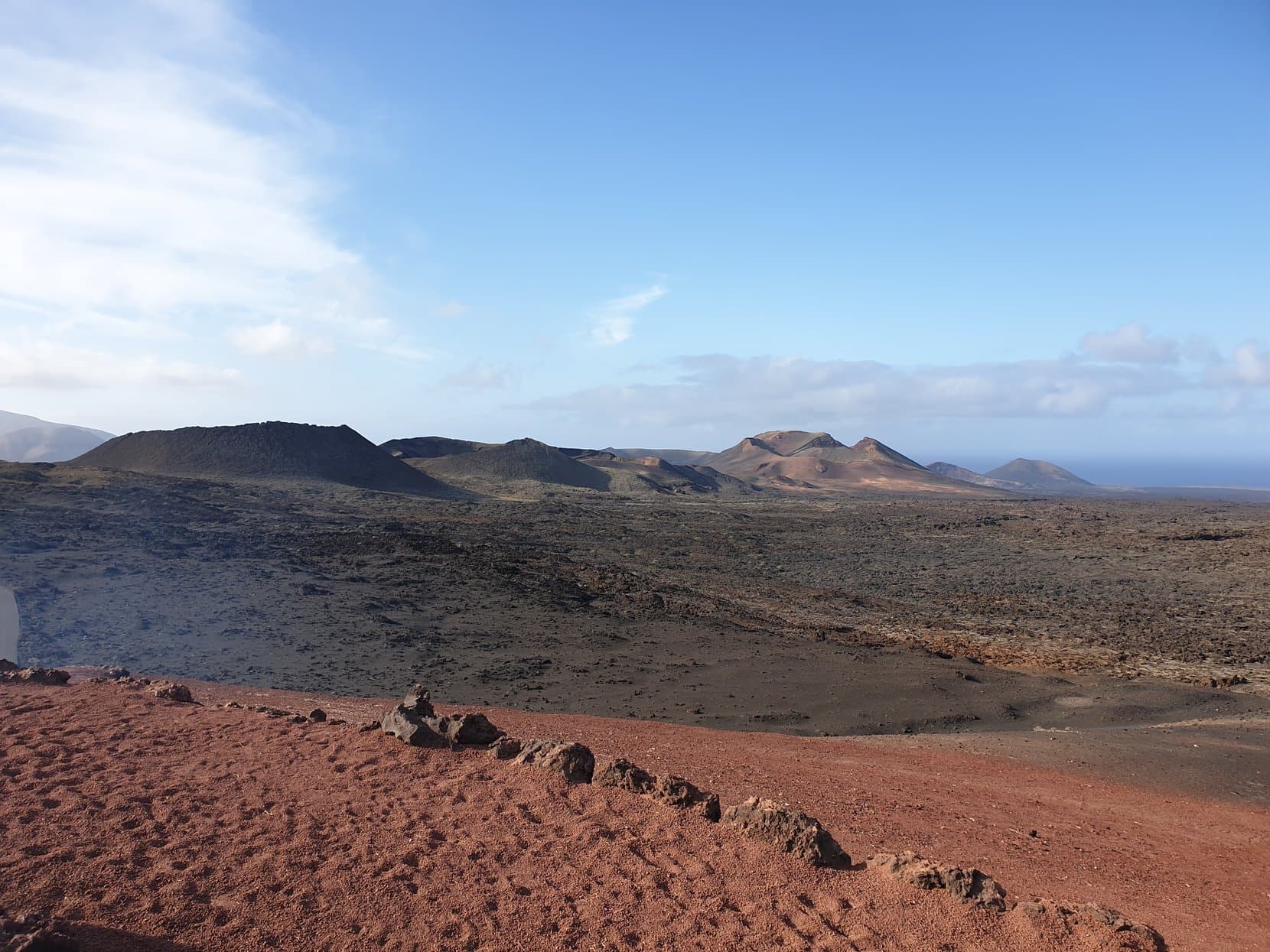
A black lava field with a red ash apron running to the volcano cones of Timanfaya, Lanzarote

Timanfaya and the fire country

The ground here still smokes. Timanfaya's lava fields have not yet decided to become soil, the demonstration geysers erupt on cue, and the road in runs between cones like a line drawn on another planet. It is the literal half of the island's Mars argument, and the reason the comparison is not marketing.

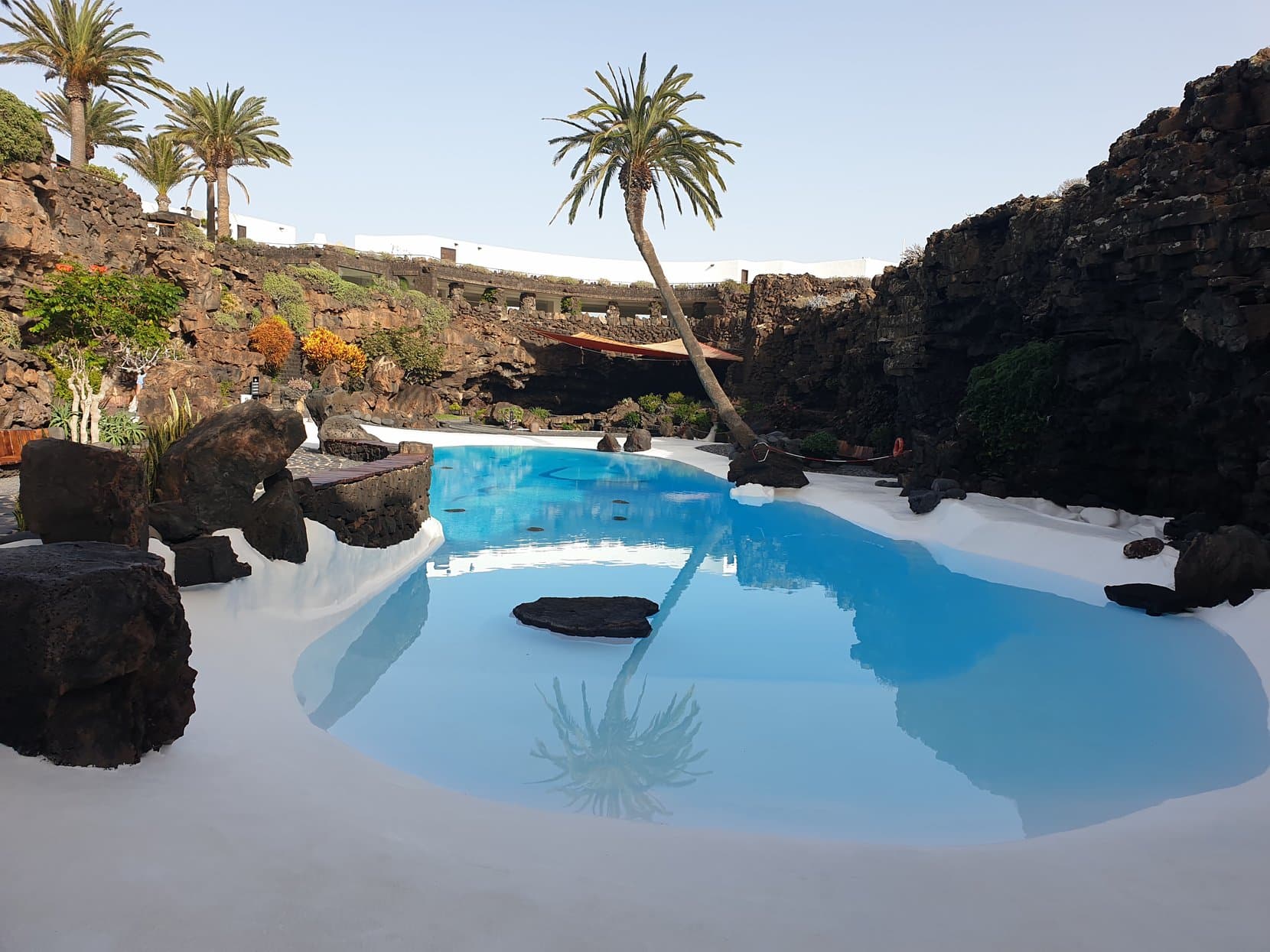
The turquoise pool of Jameos del Agua with a leaning palm and black lava rim, Lanzarote

The Manrique north

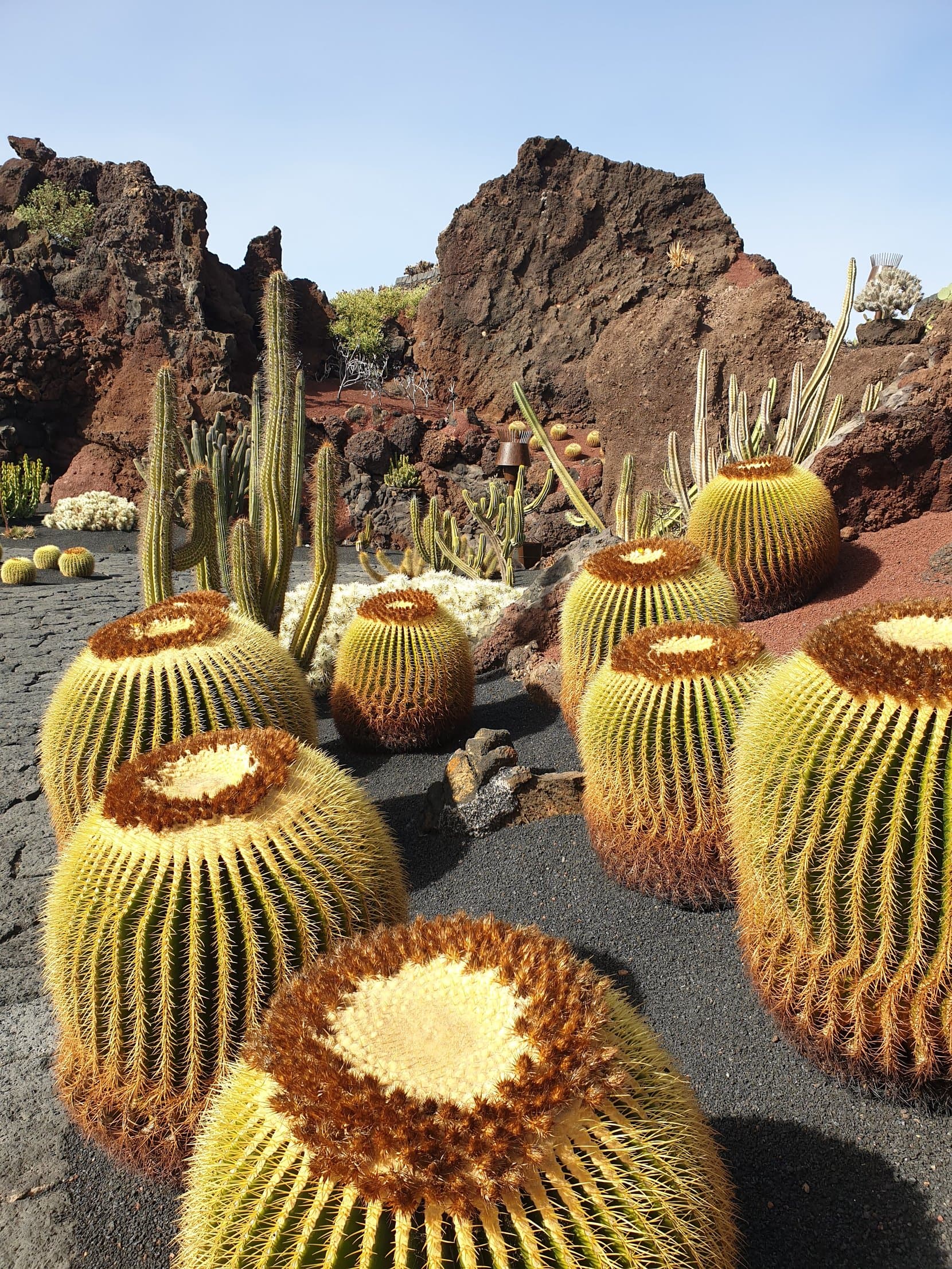
César Manrique built into the lava instead of over it, and his projects are the island's connective tissue: a turquoise pool inside a collapsed lava tube, a house folded into the rock, a cactus garden in an old quarry. The north also holds the lava caves, the cliff-top view over La Graciosa, and natural pools for the end of the day.

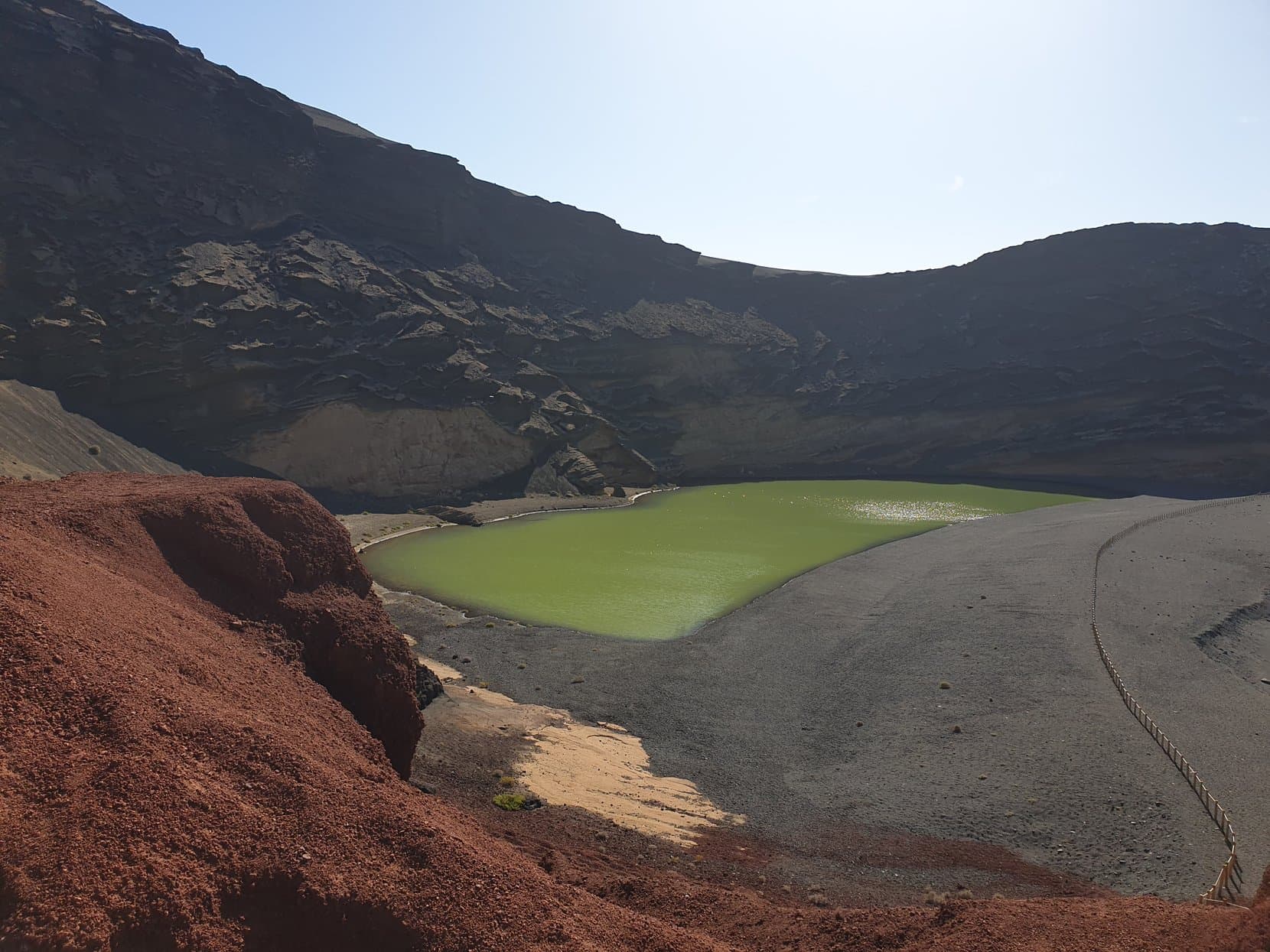
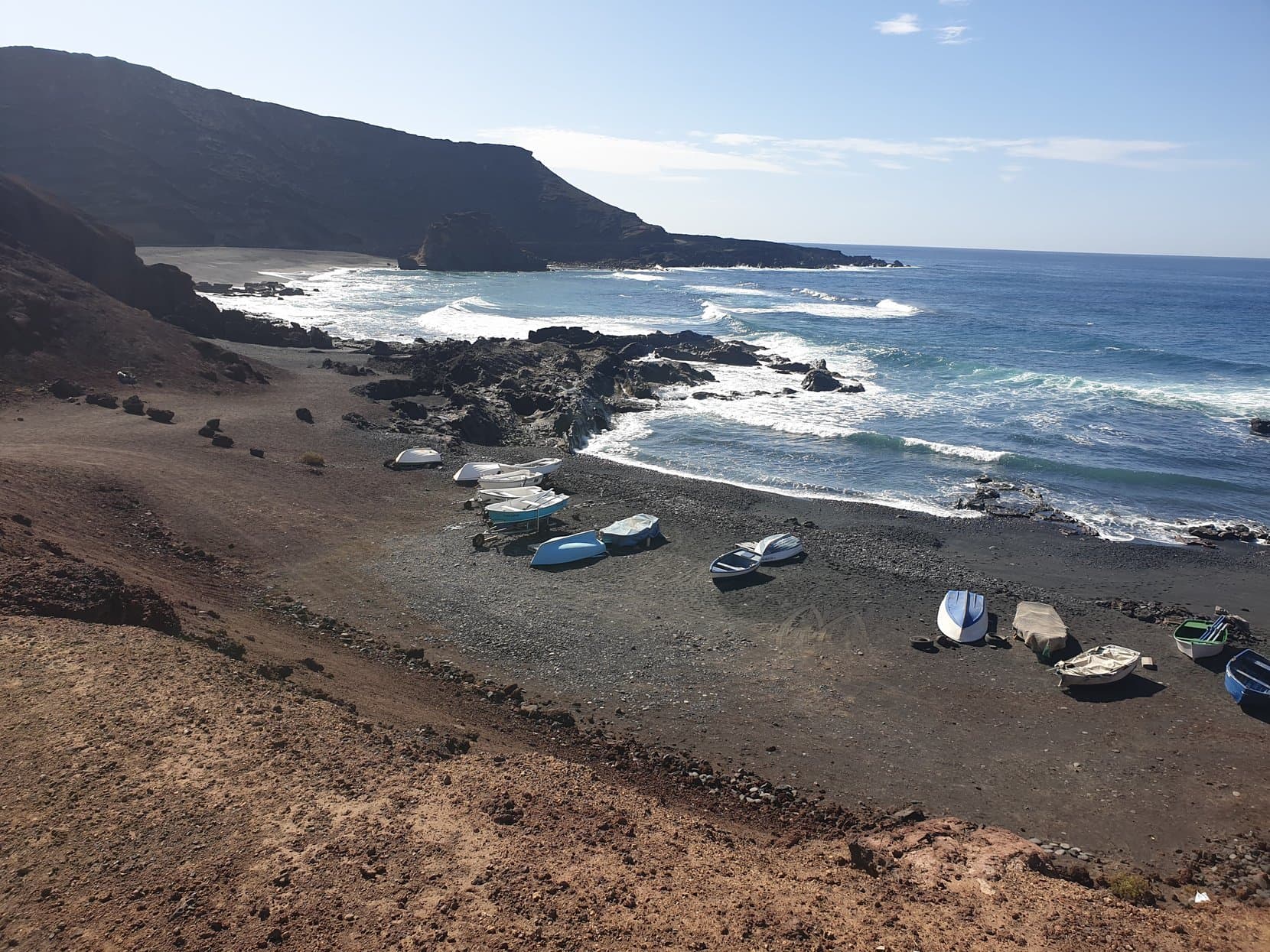
The green lagoon of El Golfo behind its black beach, under a red volcanic crater wall, Lanzarote

The west coast

A morning of pure geology: a green lagoon sitting behind a black beach, the sea detonating through the rock arches at Los Hervideros, and salt flats laid out like a colour chart at Janubio. Short distances, huge contrasts, no infrastructure required.

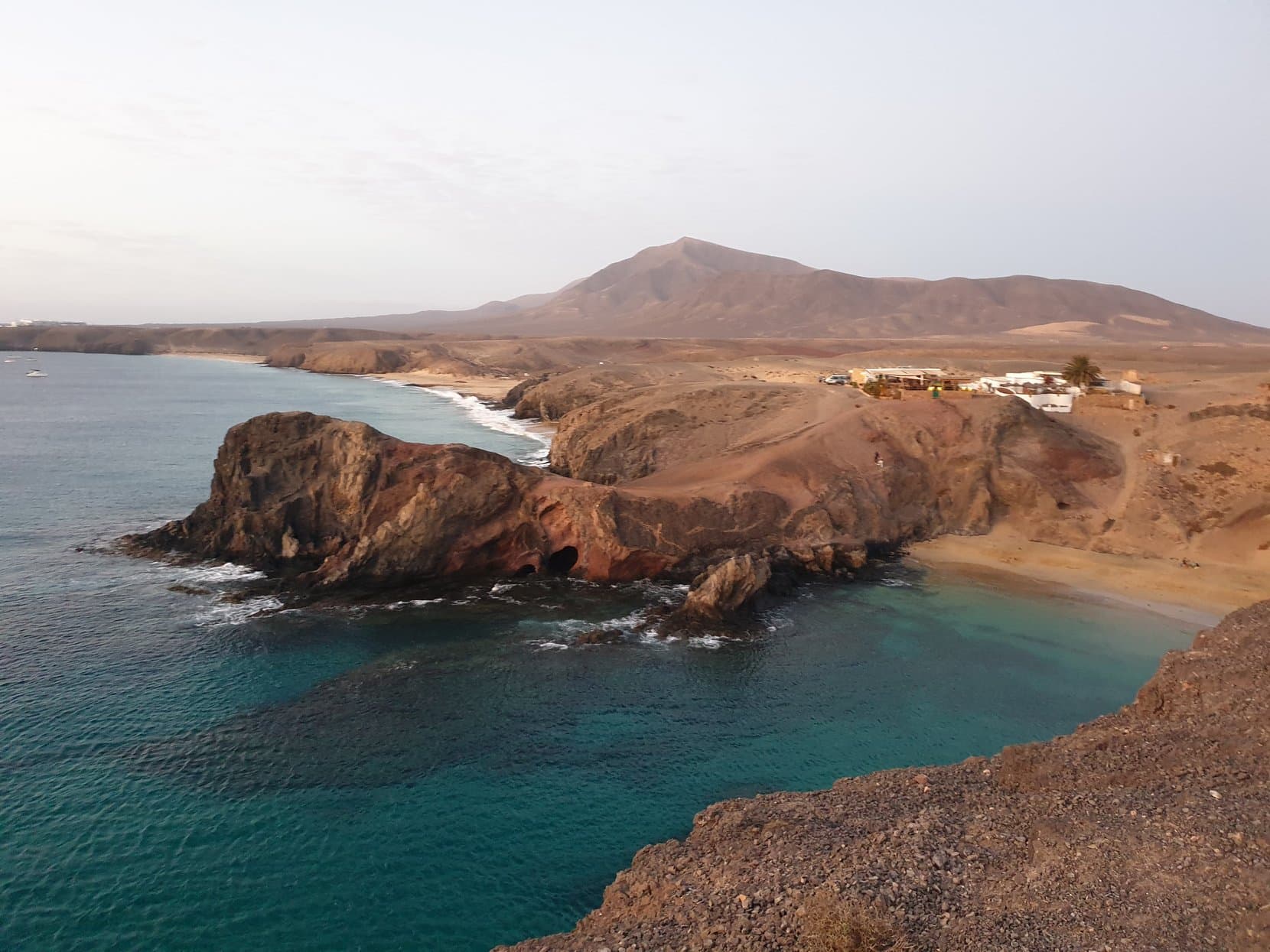
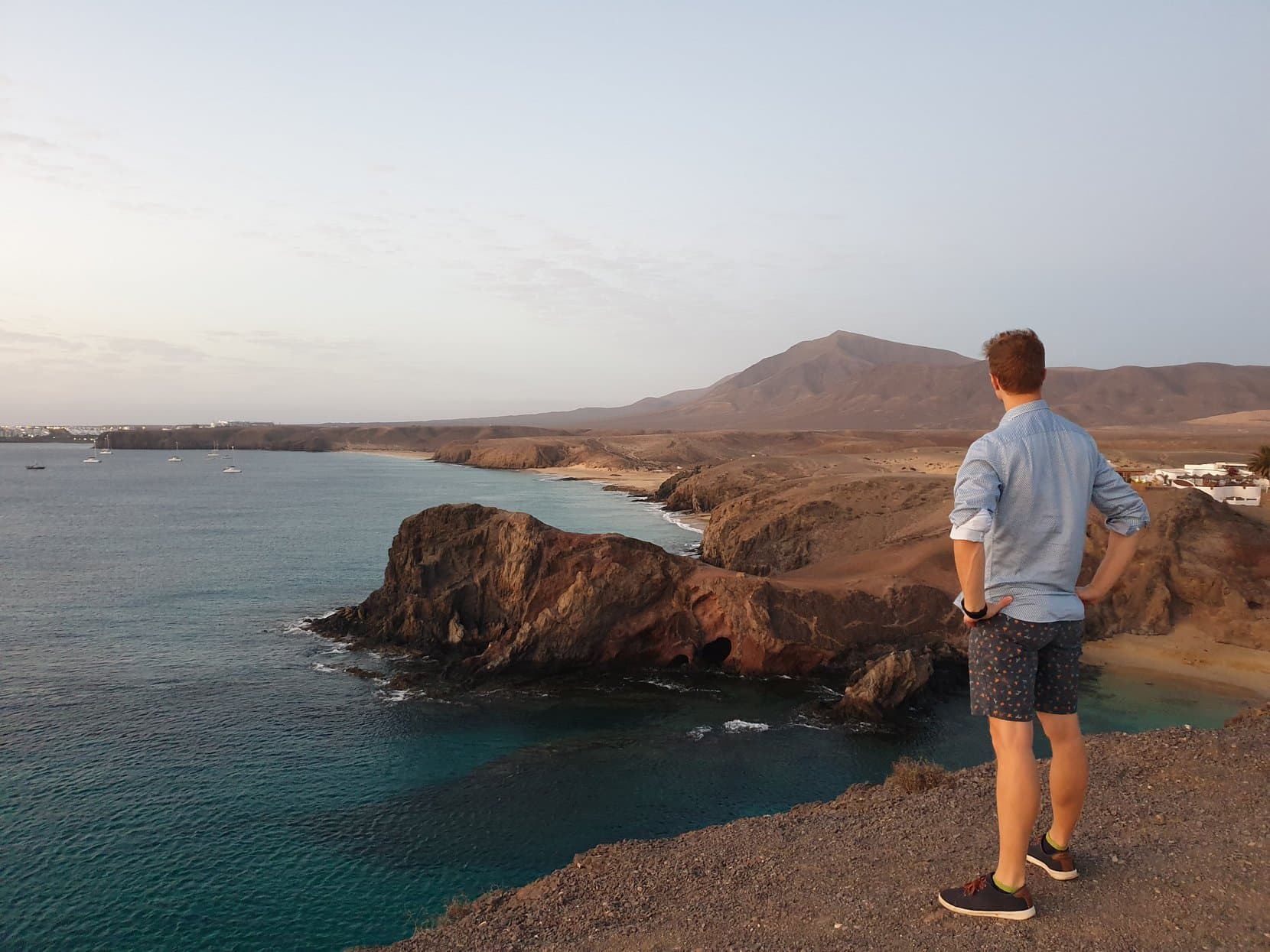
The turquoise coves and red headlands of Punta del Papagayo at golden hour, Lanzarote

Papagayo and the south

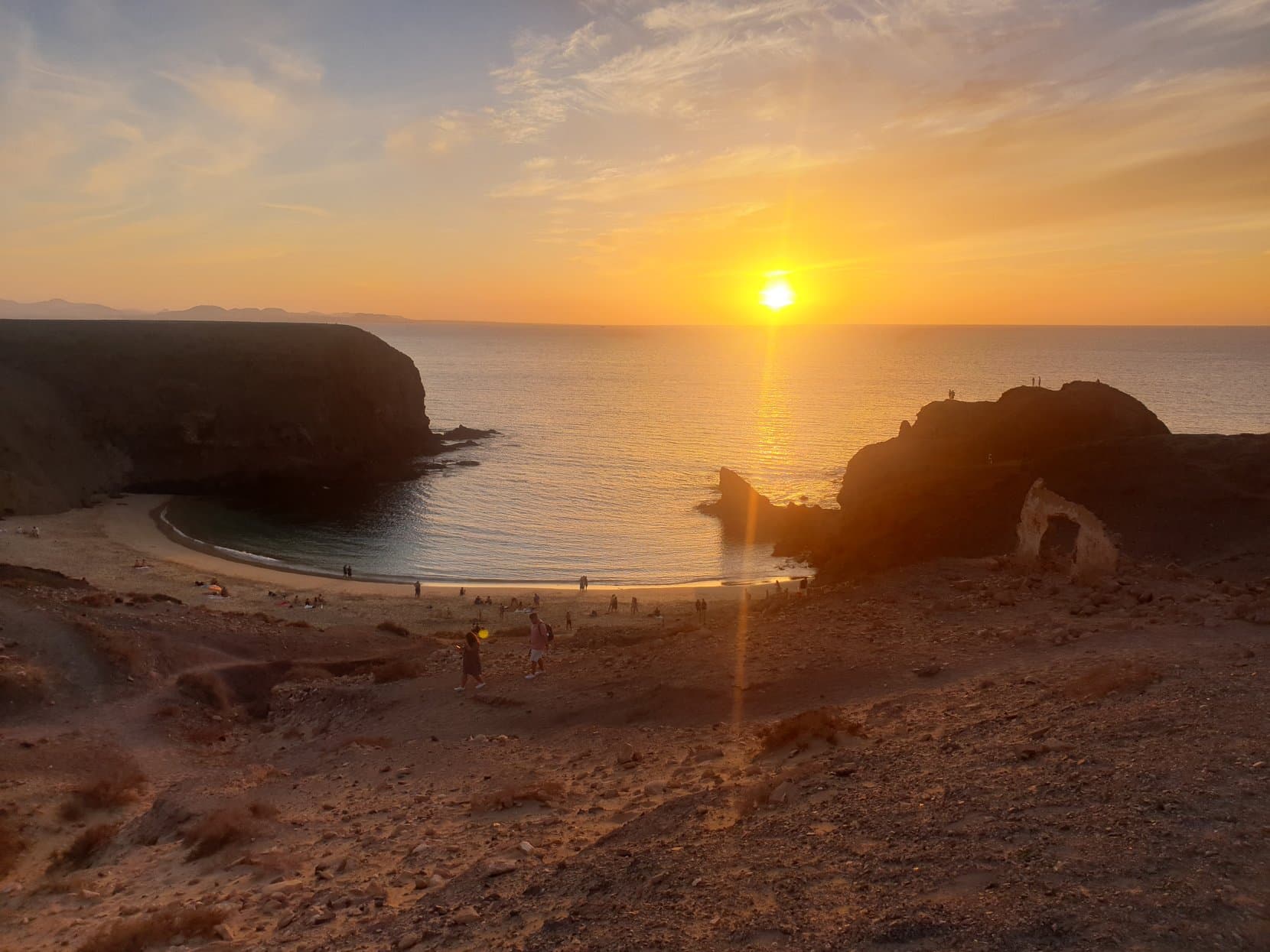
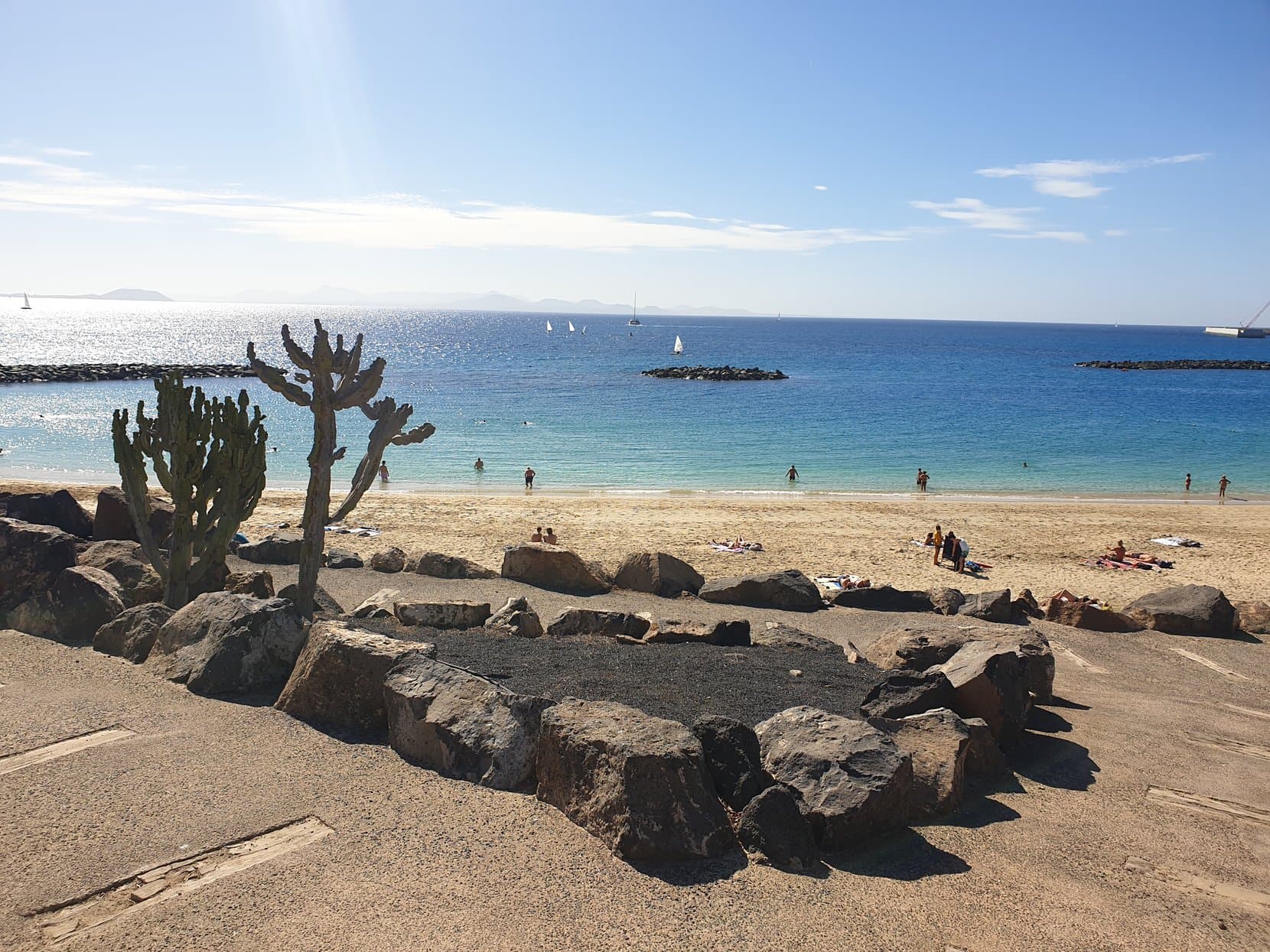
The island's beach headline: a string of turquoise coves under bare headlands at its southern tip, with the ferry port and resort base of Playa Blanca beside them. We watched the sunset here twice on one trip - it earned the repeat.

From the trip

The park road running straight into the red and black volcano cones of Timanfaya, Lanzarote
The Timanfaya national park sign with its fire-devil emblem on a lava wall, Lanzarote
Steam erupting from a vent in the rocks during the geyser demonstration at Timanfaya, Lanzarote
A turquoise pool folded into red rock with palms at Lagomar, Lanzarote
Tables set inside the red-lit lava cave of Jameos del Agua, Lanzarote
The cactus garden filling an old quarry with a windmill on the rim, Guatiza, Lanzarote
The salt pans of Janubio mirroring the sky on Lanzarote's west coast
Surf churning through a black lava arch at Los Hervideros, Lanzarote

The road into the fire country

Getting there and around

Lanzarote's airport sits by Arrecife with direct flights from all over Europe year-round. This is Spain: euros, EU roaming, Schengen rules, and a clock level with London. The island is the most compact of the big four - nothing is far.

Rent a car; the island is a circuit of short, excellent roads and the sights are spread deliberately around it. Ferries link Playa Blanca to Fuerteventura - a short hop that is what makes the two islands one trip - and we carried our rental car across on it in both directions.

What it costs

Getting there is the line every alternative loses to: return flights from most of western and northern Europe typically come in under €150, and sale fares go far lower. On the ground, prices sit at or below mainland-Spain levels.

StyleWhat that looks like
LeanA self-catering base in a white village, supermarket picnics, and a coastline of free geology - the lagoon, the arches, the salt flats and the coves cost nothing
CoreSmall hotels, restaurant dinners, and the Manrique sites and park entries that are this island's short paid list
SplurgeThe resort tier around Playa Blanca and Costa Teguise - money buys the pool and the sea view, not access

The bed is the only line with real range, and winter - the high season - is when it moves most. The short paid list of park and Manrique entries is about booking sensibly, not spending more.

Tested tips

Set your Timanfaya expectations: it is a show, not a hike.

The ground genuinely smokes and the water poured into a tube comes back as a geyser seconds later - but you see the heart of the park from a coach loop, not on foot. Go for the spectacle and the landscape, and you will leave amazed; go expecting a trail day and you will leave frustrated.

Give Papagayo a second evening.

The sunset from the southern headlands was the best of our whole four-island trip - good enough that we rearranged a later day to come back. If you only budget one evening for it and the sky delivers, you will wish you had our schedule.

End big days in the natural pools.

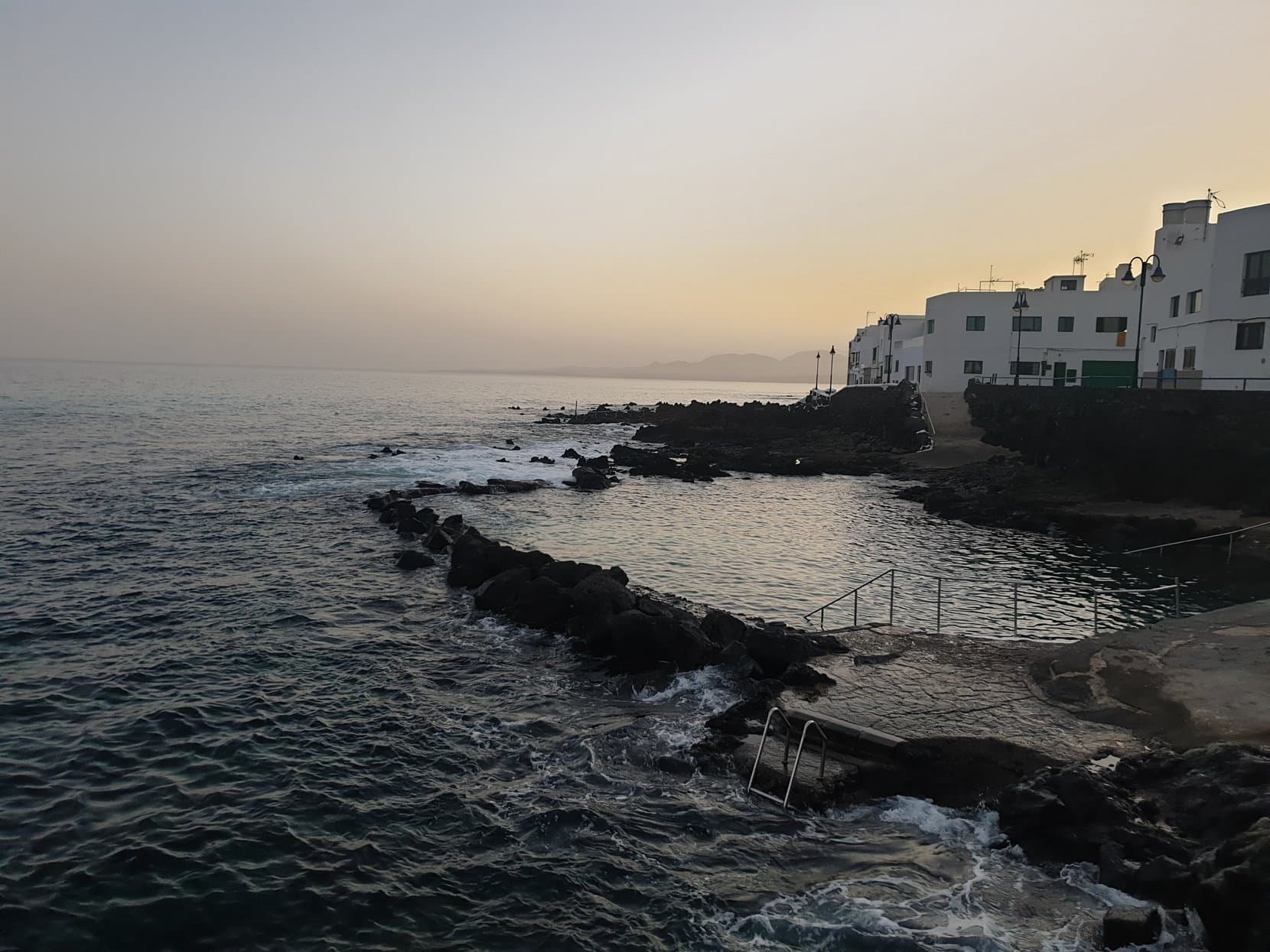
The lava coast keeps sheltered natural swimming pools - Punta Mujeres is strung with them - and a dip there after a full driving day is the island's best free luxury. Bring swimwear in the car as a default.

Waves breaking white against the black lava coast of Los Hervideros, volcano cones on the skyline, Lanzarote

FAQ

Is Lanzarote worth visiting?▾
Emphatically yes - it was the surprise of our four-island trip and it is the most underrated of the big Canaries. It is the closest Europe gets to another planet: ground that still smokes, vines growing in dug-out craters, turquoise pools inside lava tubes - the whole island filtered through one designer's eye. Everyone we knew kept flying to Tenerife. Lanzarote is the island we came home evangelising about.
How many days do you need in Lanzarote?▾
Five is the core trip: Timanfaya, the Manrique sites, the west-coast morning, the northern cap and proper beach time. Seven is comfortable and lets you repeat what earns repeating. A long weekend covers the icons but flattens the strangeness into a checklist - possible, not recommended.
What is Timanfaya, and can you walk in it?▾
A national park over the lava fields of the island's great eruptions, where the ground still holds enough heat to turn a bucket of water into a geyser. The core is visited by coach loop rather than on foot - a protection measure, and honestly the right expectation to arrive with: it is a demonstration and a landscape, not a hiking day.
What is special about César Manrique's sites?▾
One artist essentially art-directed an island: houses and galleries folded into lava bubbles, a concert cave and a turquoise pool inside a collapsed lava tube, a cactus garden planted in an old quarry. They are the reason Lanzarote looks designed rather than developed - white walls, black rock, green plants, at full contrast - and they are attractions in their own right, not add-ons.
Is the green lagoon at El Golfo real?▾
Real, and genuinely green - a half-crater holding an algae-coloured lagoon behind a black sand beach, under red cliffs. It is a short walk from the car park, pairs with the Los Hervideros arches and the Janubio salt flats into one west-coast morning, and asks nothing of you but the stop.
Can you visit La Graciosa from Lanzarote?▾
Yes - the eighth island sits just off the northern tip, reachable by a short boat hop, with sand streets and almost no cars. Honesty first: we saw it only from the Mirador del Río clifftop, laid out below like a scale model, and did not cross - so this page will not pretend to have tested it. It is on the return list.
Is Lanzarote windy?▾
Yes, by design - the trade winds are part of the island's climate, strongest in high summer. In practice it means fresh evenings, kite-friendly coasts, and the occasional plan adjusted rather than a trip spoiled. We had November: warm days, breezy headlands, no complaints.
Do you need a car in Lanzarote?▾
Yes. The island is compact and the roads are excellent, but the whole point - the fire country, the west-coast geology, the Manrique sites, the northern cap - is a drive-to circuit, and rentals are cheap. Distances are short; you will still fill the days.
Is Lanzarote good in winter?▾
Very - arguably the best of the four big islands in winter, because its appeal never depended on greenery. The volcanic landscapes photograph best in low winter light, the sea stays swimmable at around 19 to 20 °C, and the afternoons run shirt-sleeve warm. Winter is the island's high season for a reason.
Is Lanzarote expensive?▾
No. Return flights from most of western and northern Europe typically come in under €150 with sale fares far lower, and prices on the ground sit at or below mainland-Spain levels. The paid list is short - the park and the Manrique sites - and the geology is free.

Stories from Lanzarote

Four Canary Islands, one trip, by ferry

Four Canary Islands, one trip, by ferry

Four islands, one car on every ferry – and every landing felt like a new country.

Winter sun in Europe: the Canaries in January

Winter sun in Europe: the Canaries in January

Swimming in the Atlantic in November, four hours from a grey home – the honest maths.

Lanzarote looks like Mars

Lanzarote looks like Mars

Smoking ground, vines in craters, turquoise pools in lava tubes – Mars with a designer.