How many days do you need in Iceland?▾
Seven days is the shortest the full Ring Road works without rushing every stop, and that means seven full days on the ground rather than seven counted from the flight. Three to five days is plenty for the south coast, which is the highest-value short trip in the country and the better choice if that is all the time you have. Under two days, stay near Reykjavík and the Reykjanes peninsula rather than trying to cover ground.
Is Iceland expensive?▾
Yes, though far less than its reputation if you know which parts are optional. Only two things are unavoidable on a Ring Road trip: the car, and the fuel for the distance, which for two people sharing a car is roughly €600 each for the whole loop including parking. Everything on top of that is a choice. Hotels, restaurant meals and paid activities are where the same trip multiplies several times over. Travel in shoulder season, skip the 4x4 you do not need on Route 1, cook some of your own meals, and sleep twenty minutes away from the headline stops, and it costs a fraction of the figure people usually quote. The landscape itself charges nothing.
Do you need a 4x4 in Iceland?▾
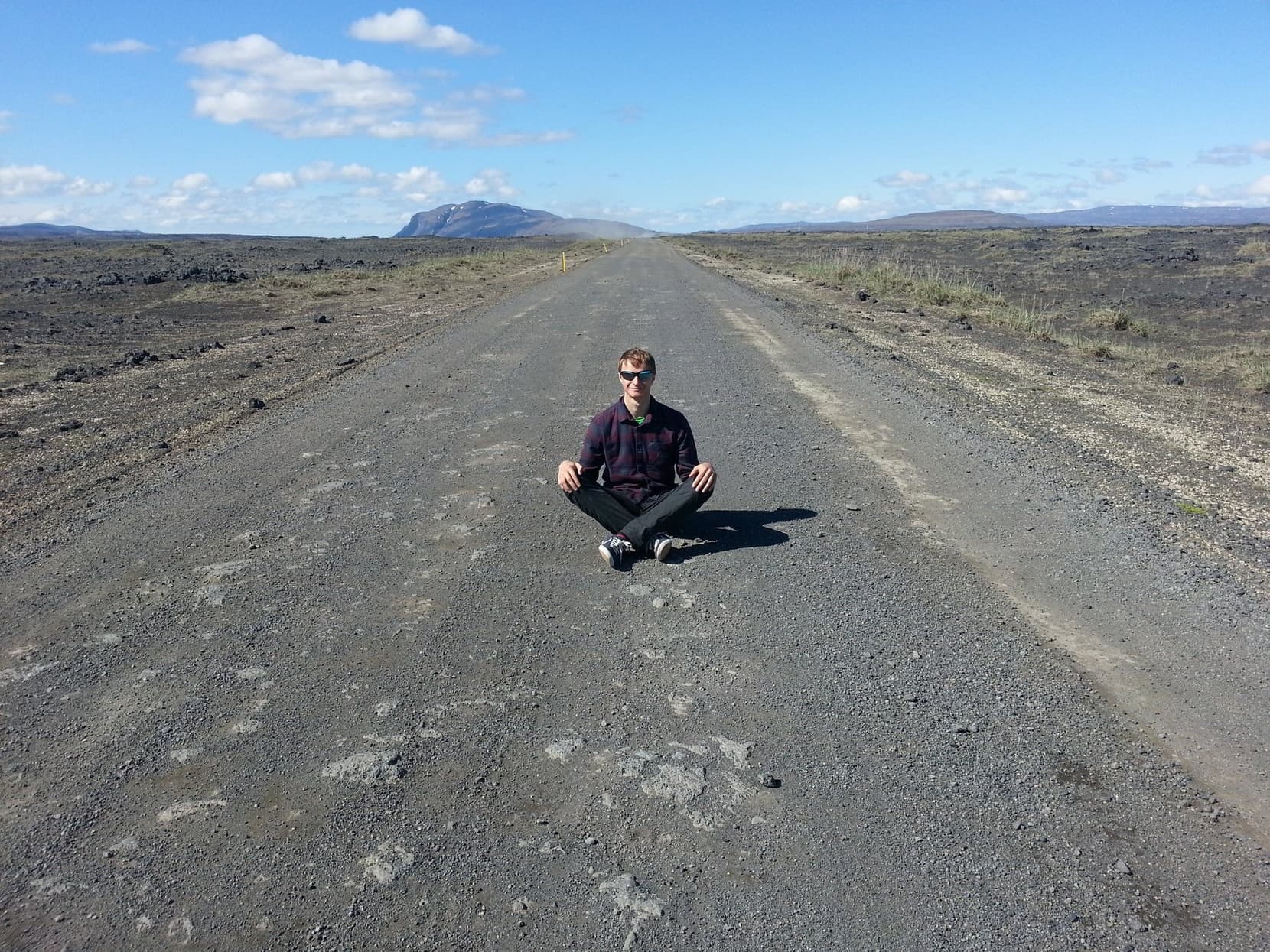
Not for the Ring Road in summer. Route 1 is paved the whole way and every standard stop is reachable in a 2WD. You need a 4x4 only for the F-roads into the highlands, and most 2WD rental contracts forbid those outright. In winter the calculation changes, but so does the whole trip.
What are F-roads, and can I drive them?▾
Mountain roads into the interior, marked with an F on maps and signs. They are unpaved, often involve river crossings, open only in high summer, and are prohibited in a 2WD rental – driving one voids your insurance entirely. Nothing on a normal summer itinerary requires an F-road.
Should you drive the Ring Road clockwise or anticlockwise?▾
Clockwise, meaning the south coast first. The south is the densest, most photographed stretch, and doing it while you are fresh is better than arriving there tired at the end of a loop. It also puts the long empty east-fjord driving in the middle, where it belongs.
Can you see the northern lights in summer?▾
No. Between mid-June and mid-July it never gets properly dark, so there is no sky to see them against. The lights need darkness, which means roughly September to April. If they are the reason you are going, do not go in summer.
When is the best time to visit Iceland?▾
June to August for the full loop, with everything open and endless light. May and September give you most of the same access with fewer people and lower prices. October to April is northern-lights season, but short days and winter driving make the whole loop a much more serious undertaking.
Do you need to book accommodation in advance?▾
In summer, yes. The Ring Road runs through small towns with limited beds, and the good places in Vík, Mývatn and Höfn go months ahead. The activities that sell out are the whale boats, glacier walks and Silfra snorkel – the guide carries the booking order and how far ahead each goes.
Is the Blue Lagoon worth it, and are there alternatives?▾
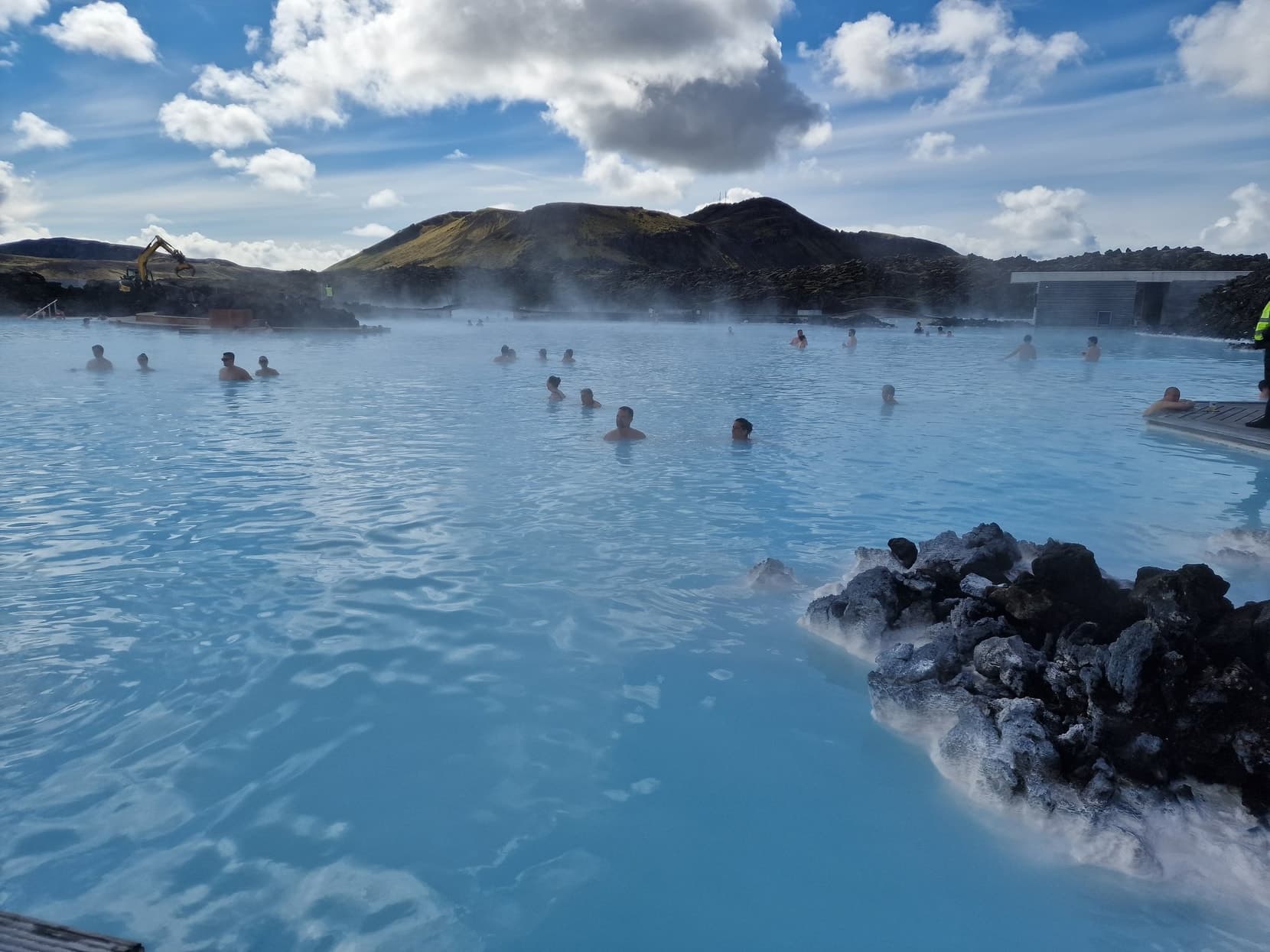
It is genuinely pleasant and genuinely the most expensive way to sit in warm water in Iceland. The pricing moves with demand and can swing by half between slots. Sky Lagoon near Reykjavík, Mývatn's geothermal lagoon in the north, and the Forest Lagoon near Akureyri all cost less and are quieter. Every town also has a public pool for a few euros.
Do you need a visa for Iceland?▾
Iceland is in the Schengen area: no visa for EU travellers, and the standard 90-day entry applies to UK and US passport holders. Your passport should be valid three months beyond departure, and no vaccinations are required. Entry rules do change, so check before you fly.
Can you do Iceland without an organised tour?▾
Yes, and self-driving is the normal way to do it. The only things you cannot arrange yourself on the day are the glacier walk, the Silfra snorkel and the whale boat, all of which need a licensed operator. Everything else is a car, a map and the opening hours.