Is The Gambia worth visiting?▾
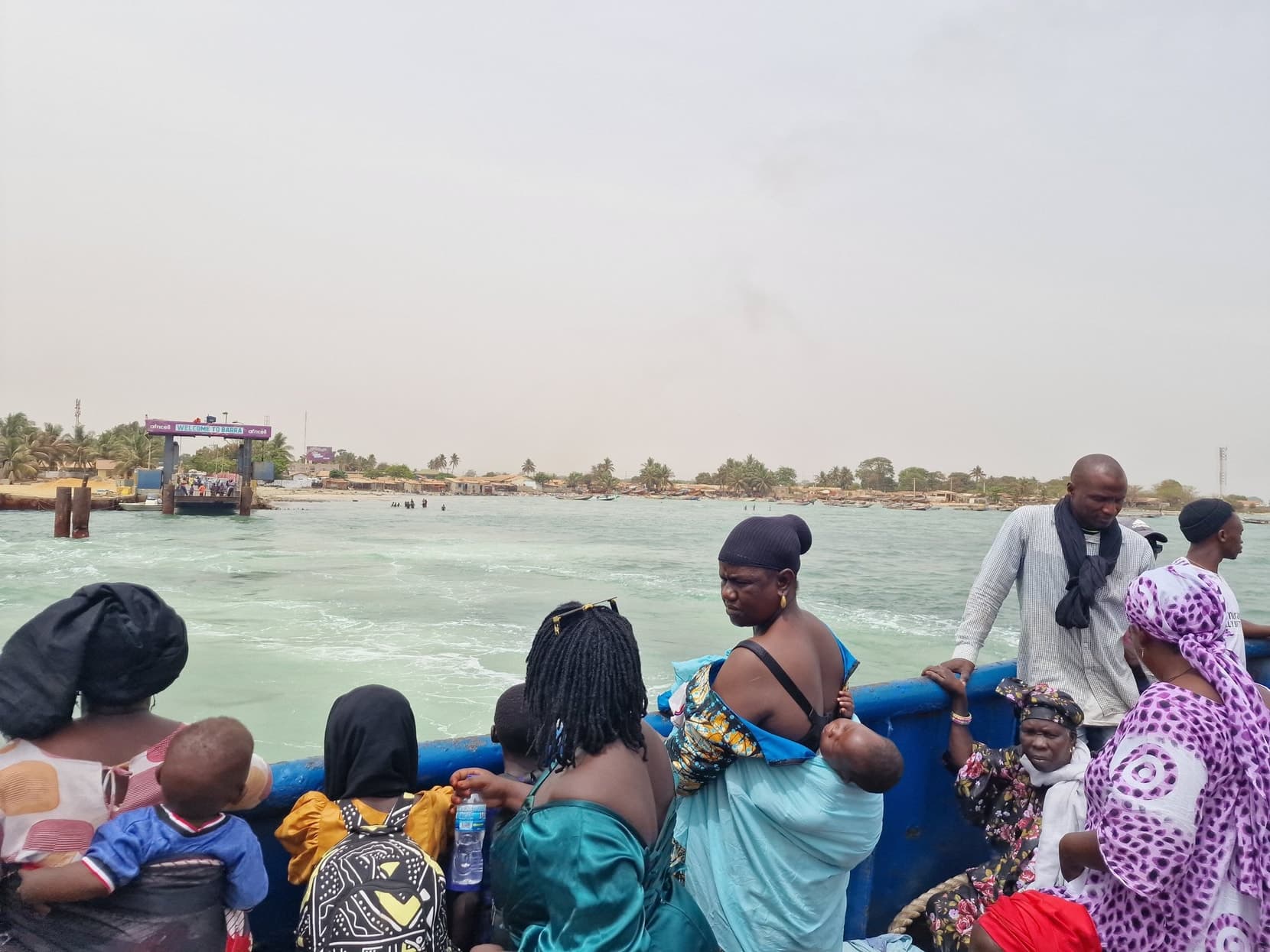
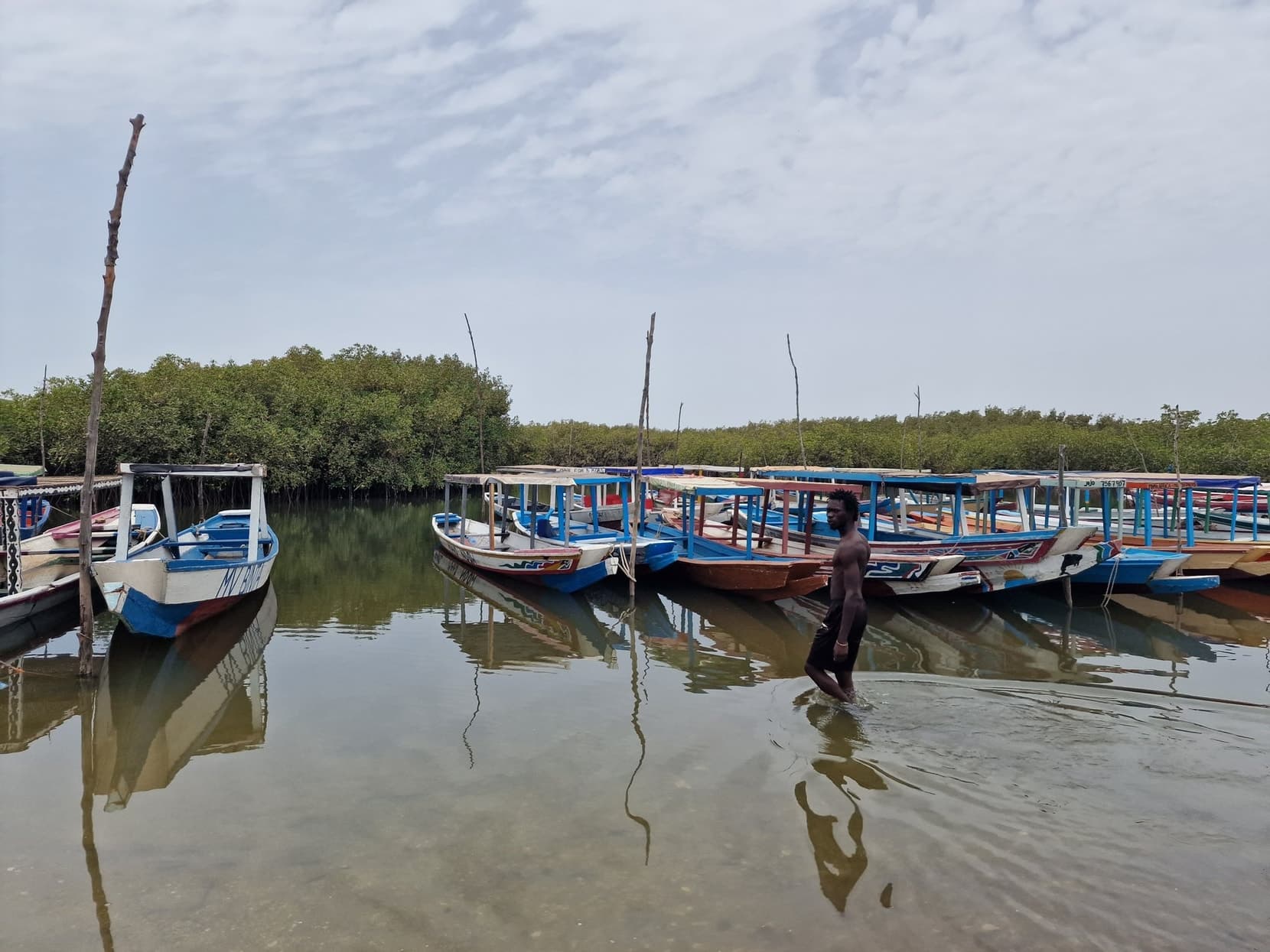
Yes – and for more than the beach it is famous for. This is Africa's smallest mainland country, a river with a coastline attached, and its size is the gift: in two days we crossed it by ferry, walked among loose crocodiles at a sacred pool, stood in a wild monkey troop beside the hotel strip, watched the country's biggest fish market land its catch at sunset, and spent a day in the mangrove creeks where villages are built on oyster shells. Nowhere else packs that much into so little distance. What it is not: a big-game safari destination – the wildlife here is smaller, closer and stranger.
Is The Gambia safe to visit?▾
Check your government's travel advice first and let it outrank everything, this page included. Western advisories generally place The Gambia at their milder caution tiers – the headline risks are petty street crime around Banjul and the tourist areas, so the standard rules apply: don't flash valuables, take care on beaches after dark. Election periods can bring protests worth avoiding, and near the southern border the long-running Casamance situation on the Senegalese side means staying on main roads. We drove in, around and out without a single threatening moment – the warmth of the reception is what we remember.
Is The Gambia more than beach resorts?▾
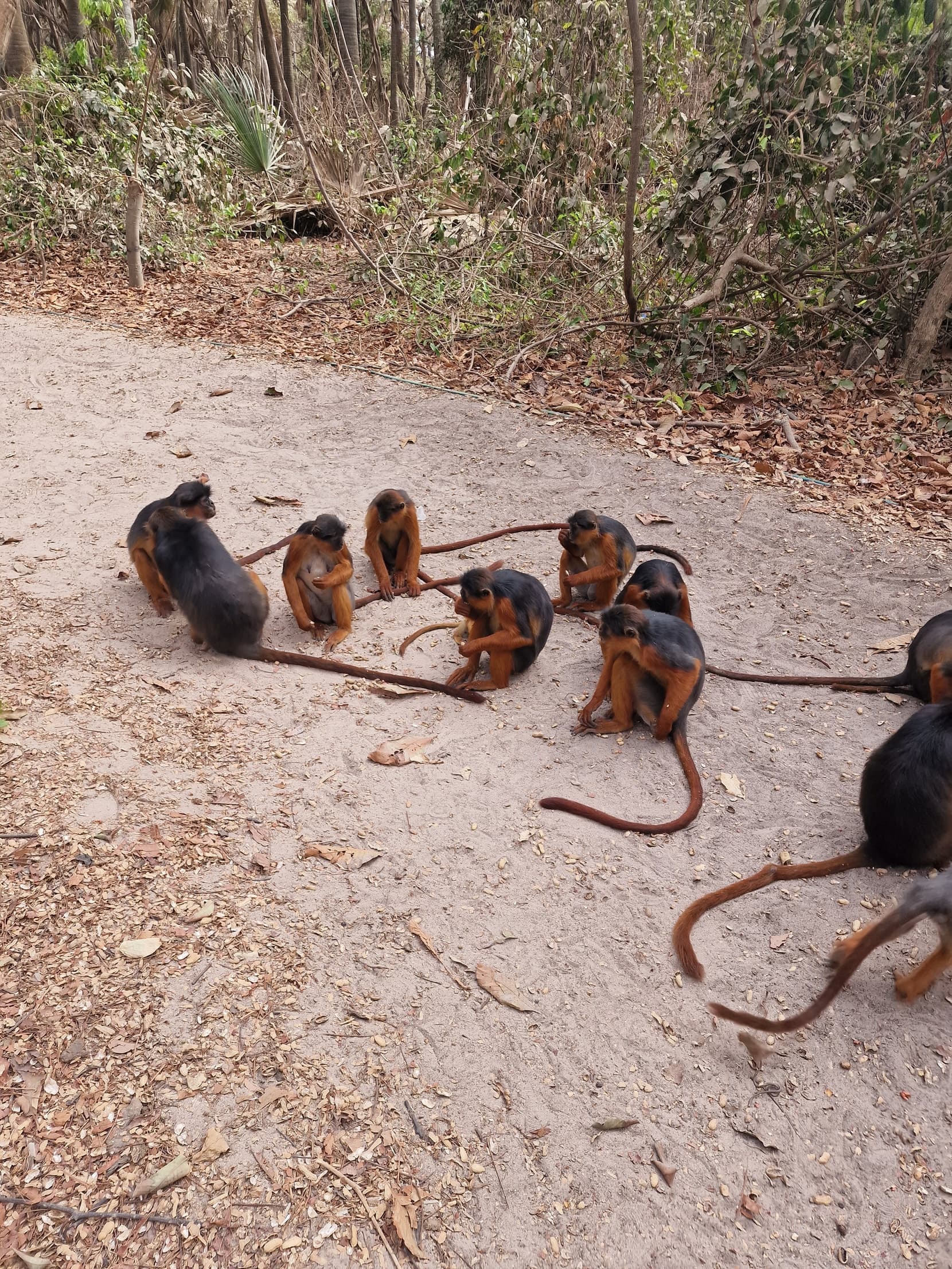
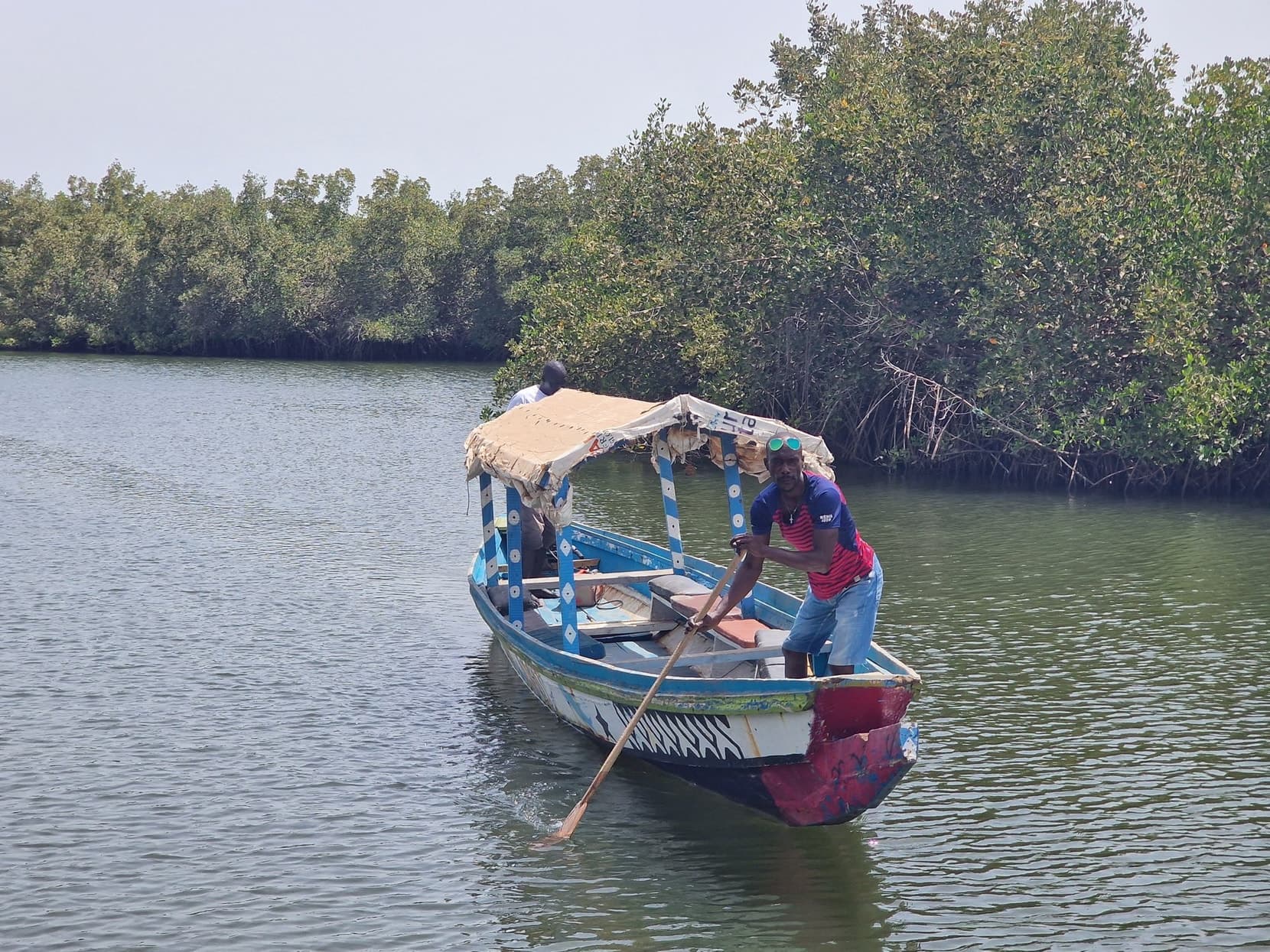
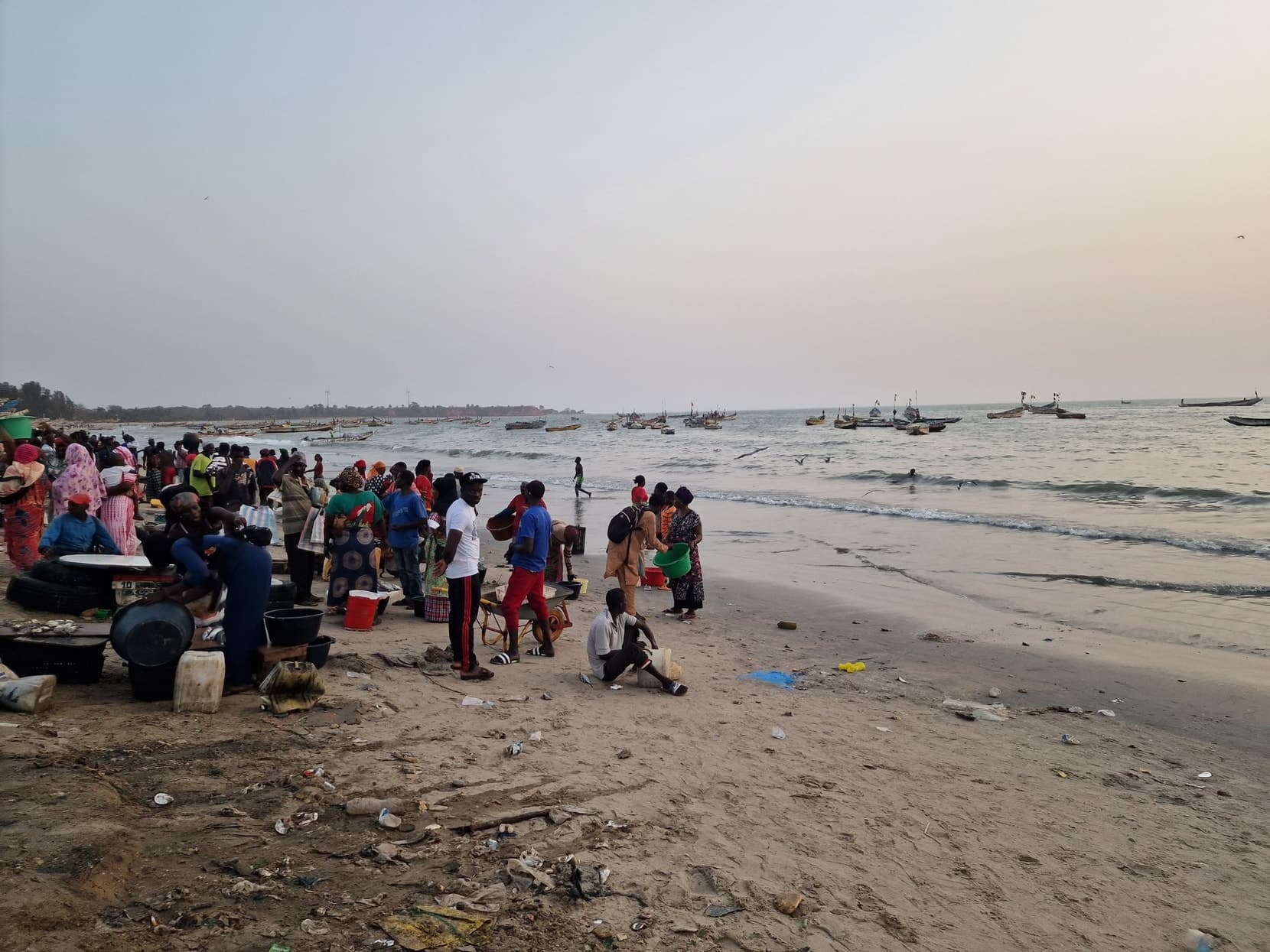
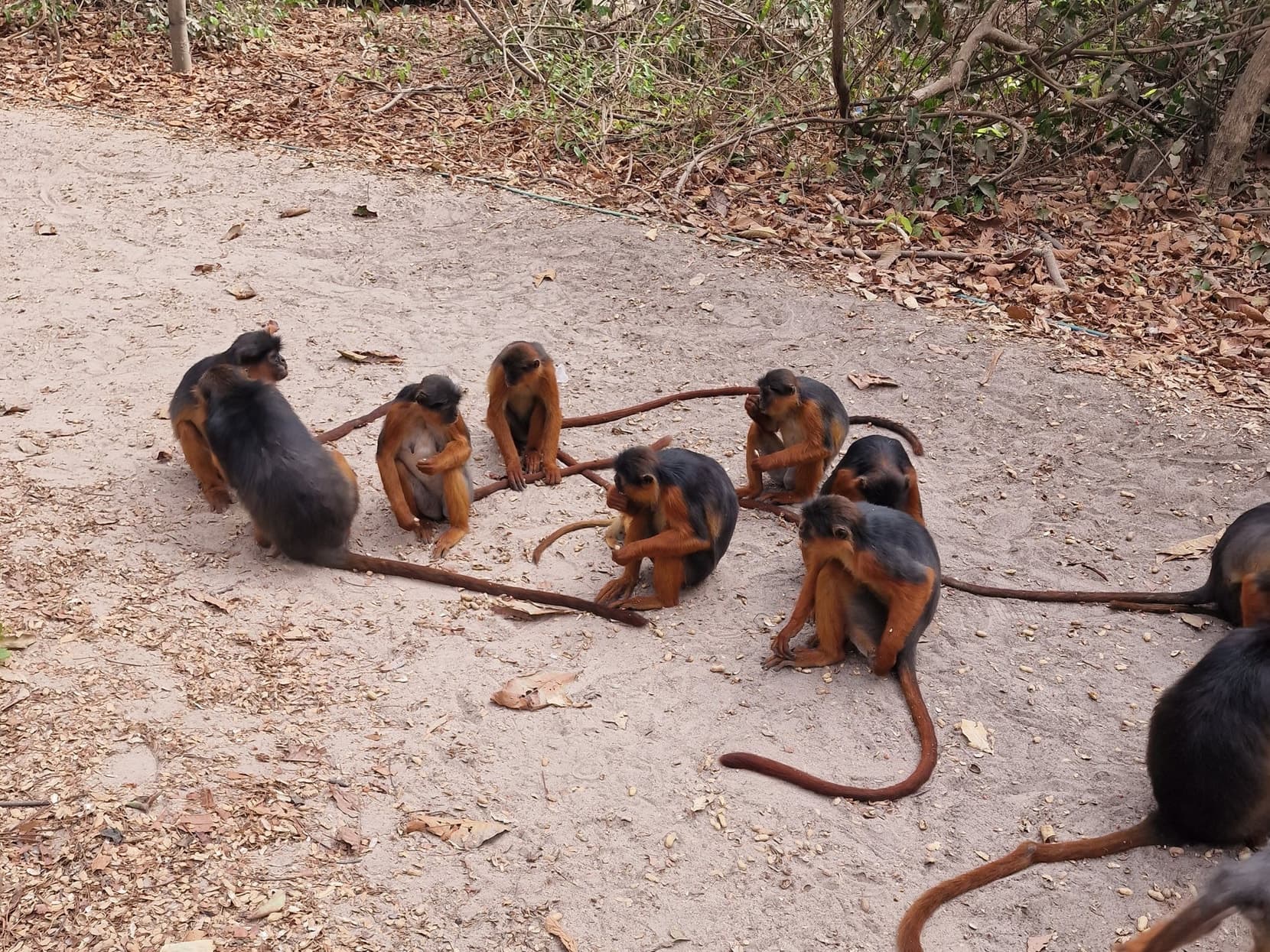
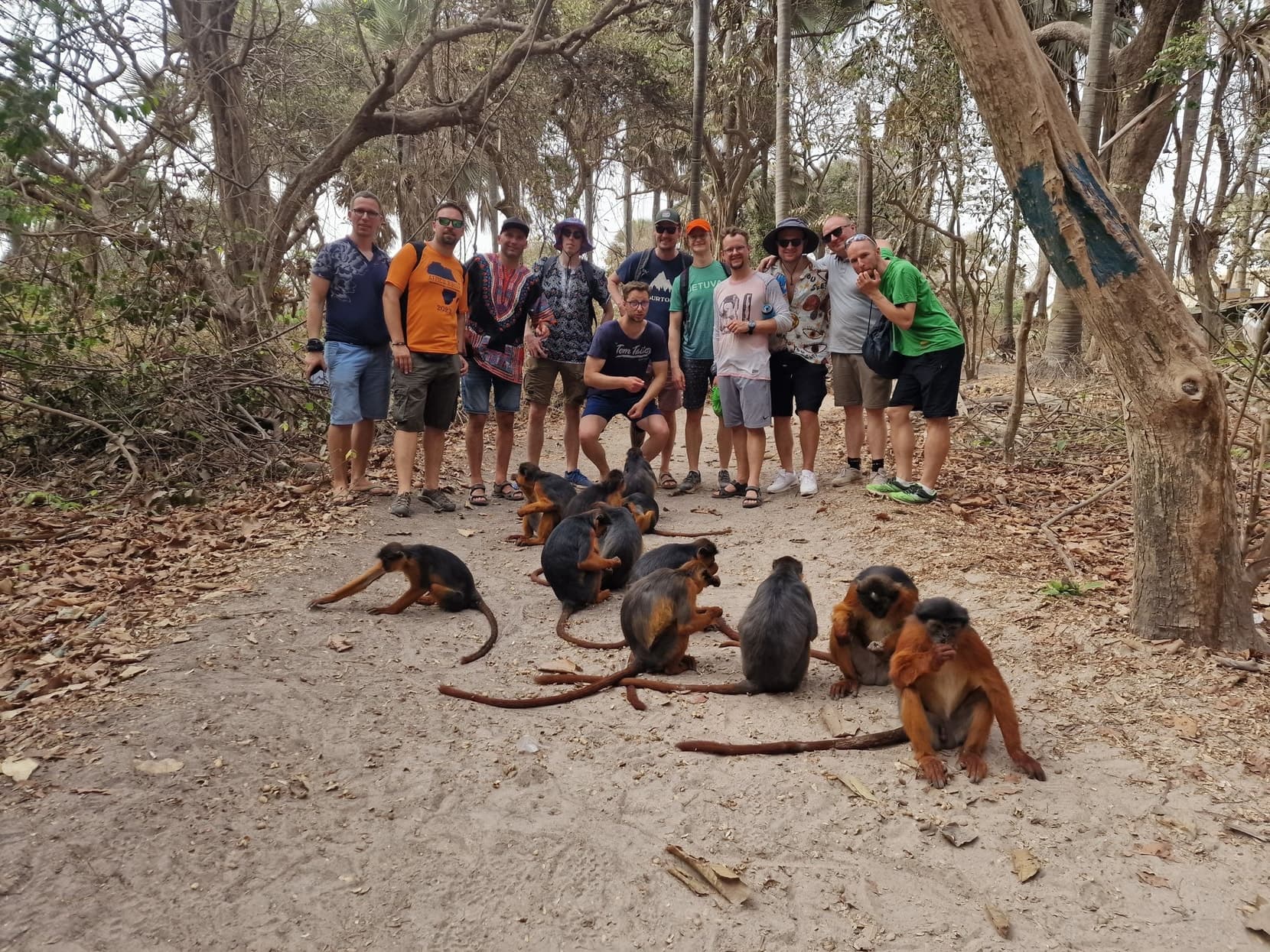
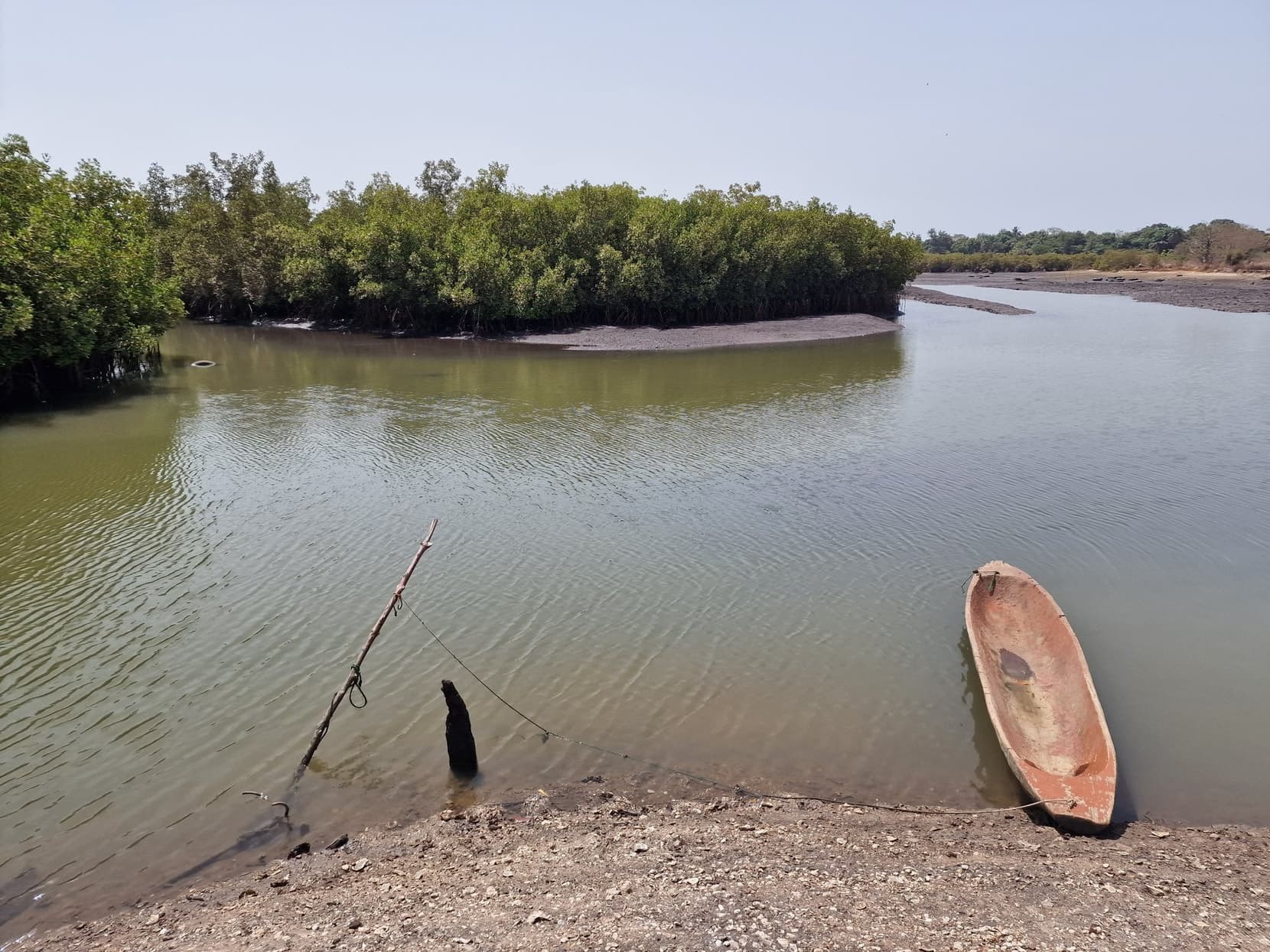
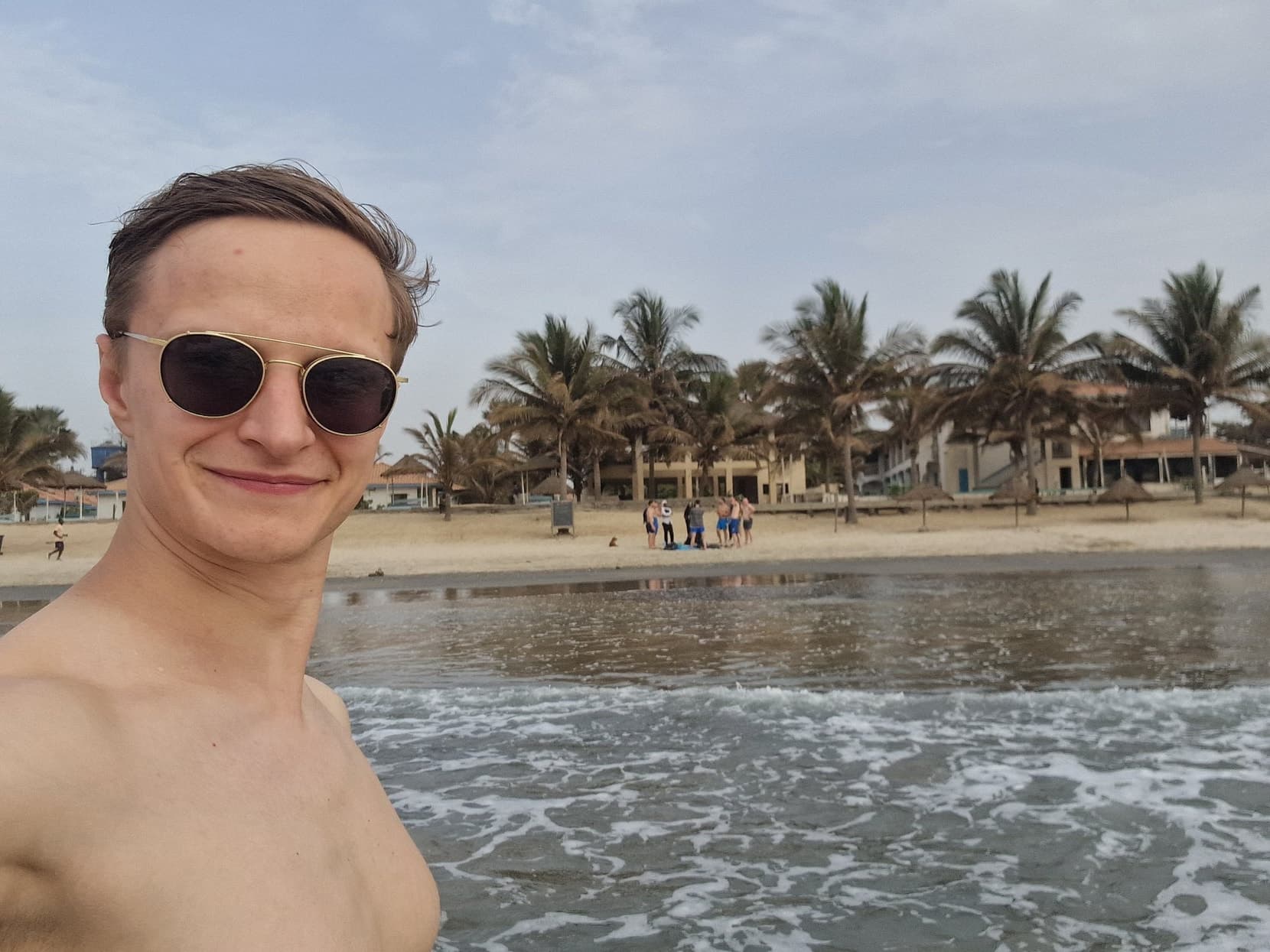
Much more, and the more is minutes away. The resorts sit on one short stretch of coast; behind them the river frays into mangrove creeks where oyster collectors live on islands built from their own shells, a sacred pool at Bakau lets you walk among crocodiles, an endangered colobus troop holds the forest paths next to the hotel pools, and Tanji's beach becomes the country's loudest workplace every sunset. The beach is the base, not the point.
How many days do you need in The Gambia?▾
Two days genuinely cover the signatures – the capital, the crocodile pool, the monkey forest, the fish market at sunset, and a full day on the river – because the country is Africa's smallest on the mainland and everything sits within an hour of the coast. Most visitors come for a week of winter sun and take those same signatures as unhurried day trips, which the country suits equally well. Combining with Senegal turns it into a two-country week.
When is the best time to visit The Gambia?▾
November to February – dry, sunny, warm without being punishing, and the season every charter flies for. November is the connoisseur's pick: the land is still green from the rains, the birds have arrived, and prices are pre-season. June to October is the rainy season, which keeps the country green and the crowds away but can eat afternoons whole. We crossed in late May, at the hot end of the dry season – workable, and wonderfully quiet.
Do you need a visa for The Gambia?▾
Most UK, EU and ECOWAS passports enter visa-free for up to 90 days, which makes this one of West Africa's easiest doors. Rules move, so verify against an official source close to travel. Arriving overland from Senegal involves real border process – allow time and patience for it.
Can you combine The Gambia with Senegal?▾
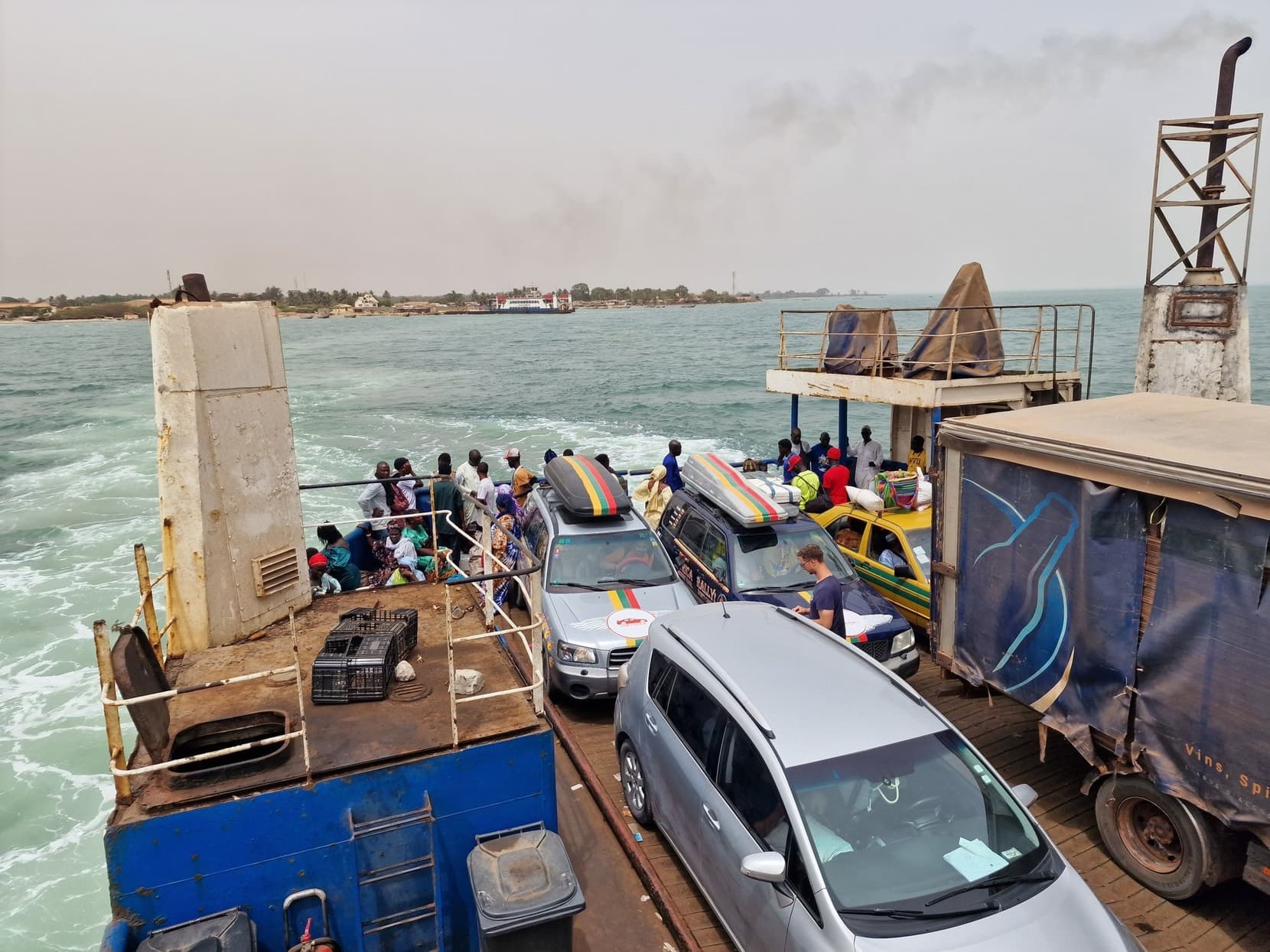
Yes, and it is one of West Africa's natural loops – The Gambia is a river running through the middle of Senegal, so Dakar, the ferry crossing at the river mouth and the Casamance road south combine into a single circuit. We drove exactly that loop. The border crossings are a real part of the experience: doable, human-paced, and worth going in prepared – our border story below tells you what that felt like.
Can you really touch the crocodiles at Kachikally?▾
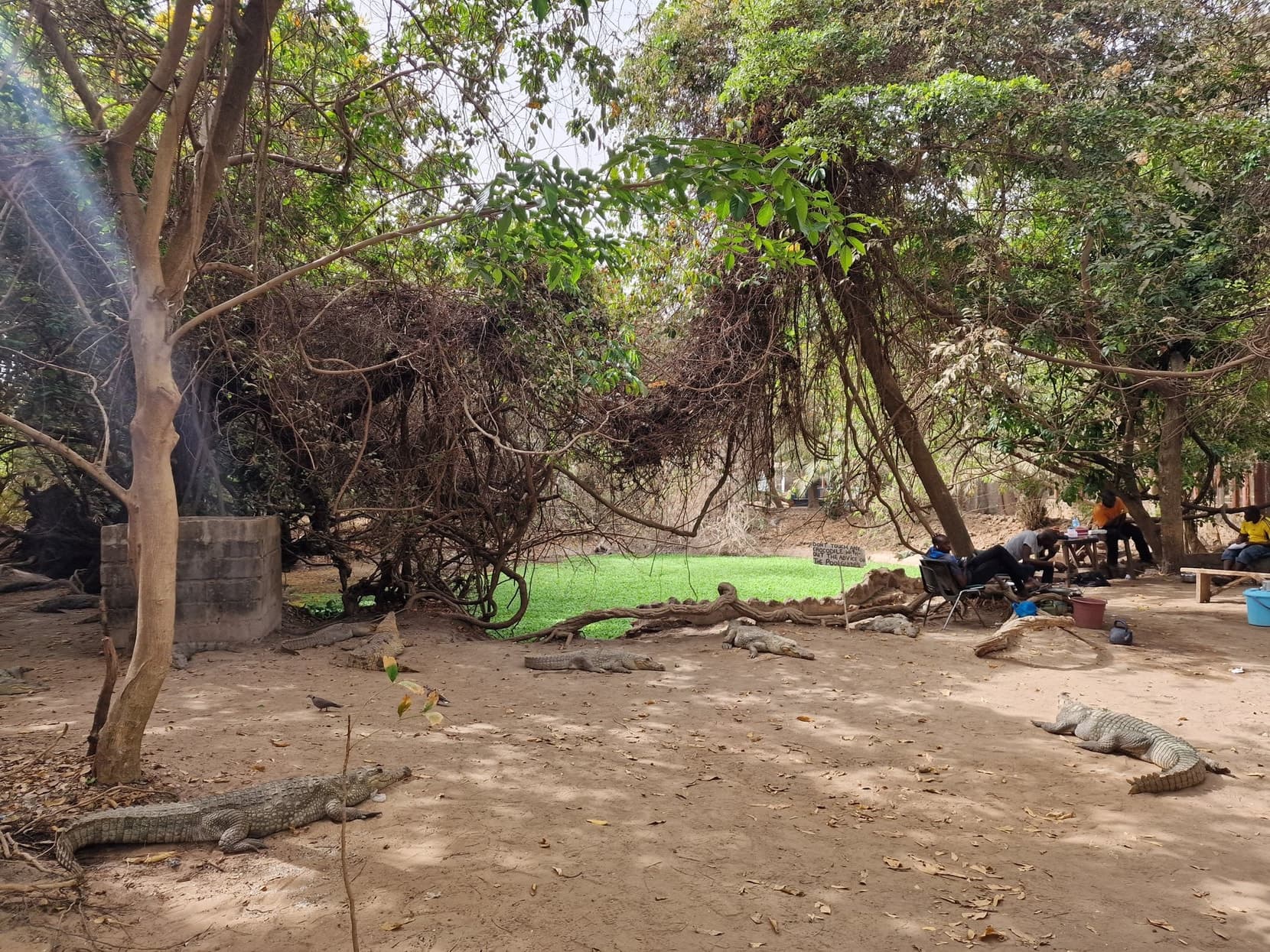
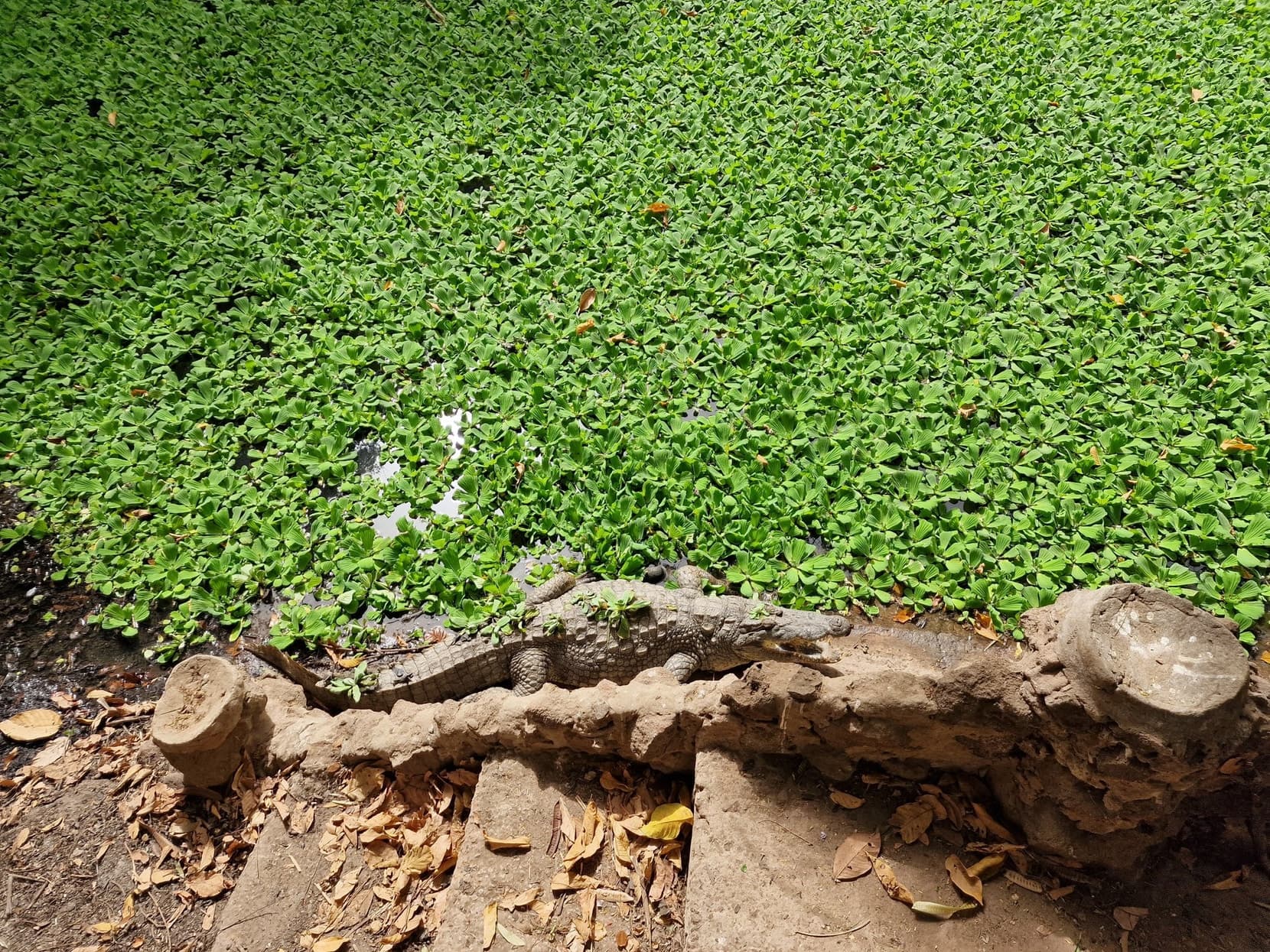
Yes. Kachikally in Bakau is a sacred pool – a fertility shrine kept by one family for generations – where tens of crocodiles rest loose on the sand and visitors walk among them and touch them. The keepers' explanation is that well-fed crocodiles have no reason to bother anyone; ours held, and the animals behaved like furniture with teeth. Whether that arithmetic suits you is a personal decision – our story from the pool below lets you feel it out before you commit.
Is The Gambia expensive?▾
Getting there is the biggest line: return flights from the UK and Europe run about €500 in season, less on deals – and that is what reaching the country costs, not what the trip costs. On the ground The Gambia is one of the cheaper destinations on this site: beds span honest guesthouses to strip hotels, food is inexpensive everywhere, and most of the signatures cost little or nothing to stand in front of. The river day by boat is the one line genuinely worth paying for.
What language and money does The Gambia use?▾
English is the official language – a real planning advantage over the francophone neighbours – and the currency is the dalasi. It is a cash country outside the bigger hotels: plan your withdrawals around the coast and the capital, where the working ATMs live, rather than expecting them upcountry.
Is The Gambia good for a winter-sun holiday?▾
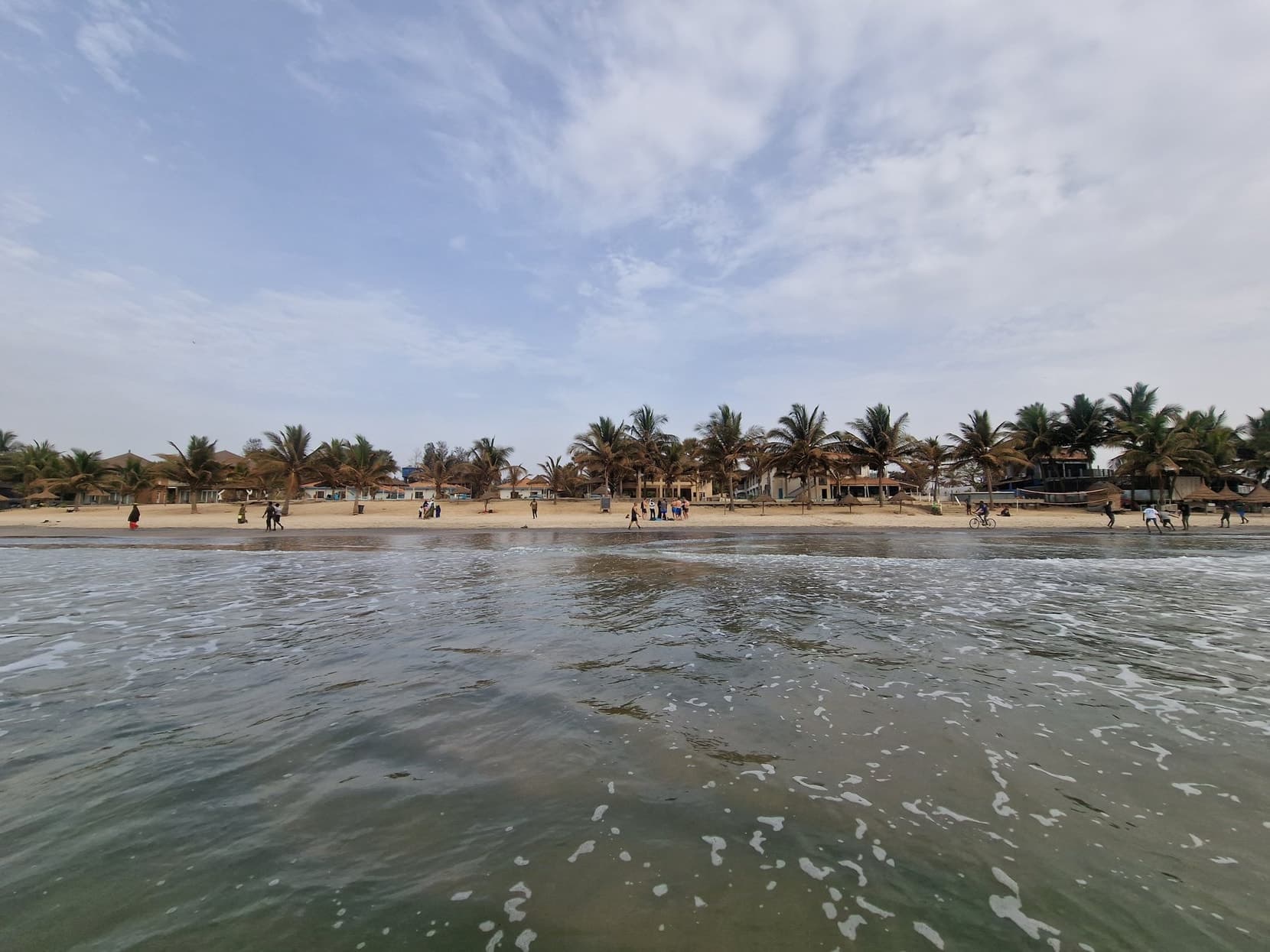
It is one of the best-value winter-sun runs from Europe: six hours' flying, no jet lag to speak of, eight hours of sun a day in the season, and a warm dry coast from November to February. The difference from the Canaries or Egypt is what waits behind the beach – take even one of the day trips on this page and the holiday becomes a travel story.