Is Fiji good for a honeymoon?▾
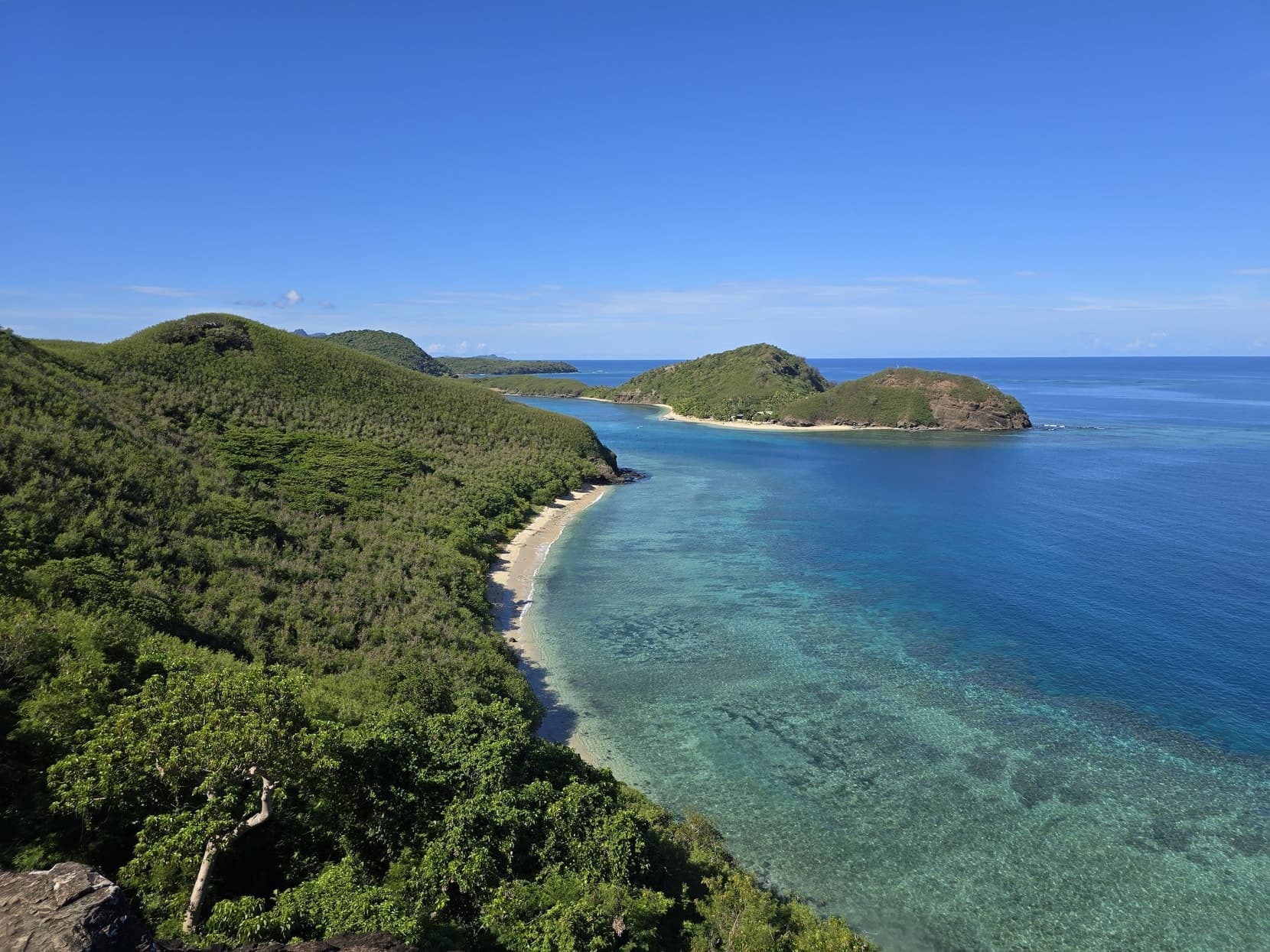
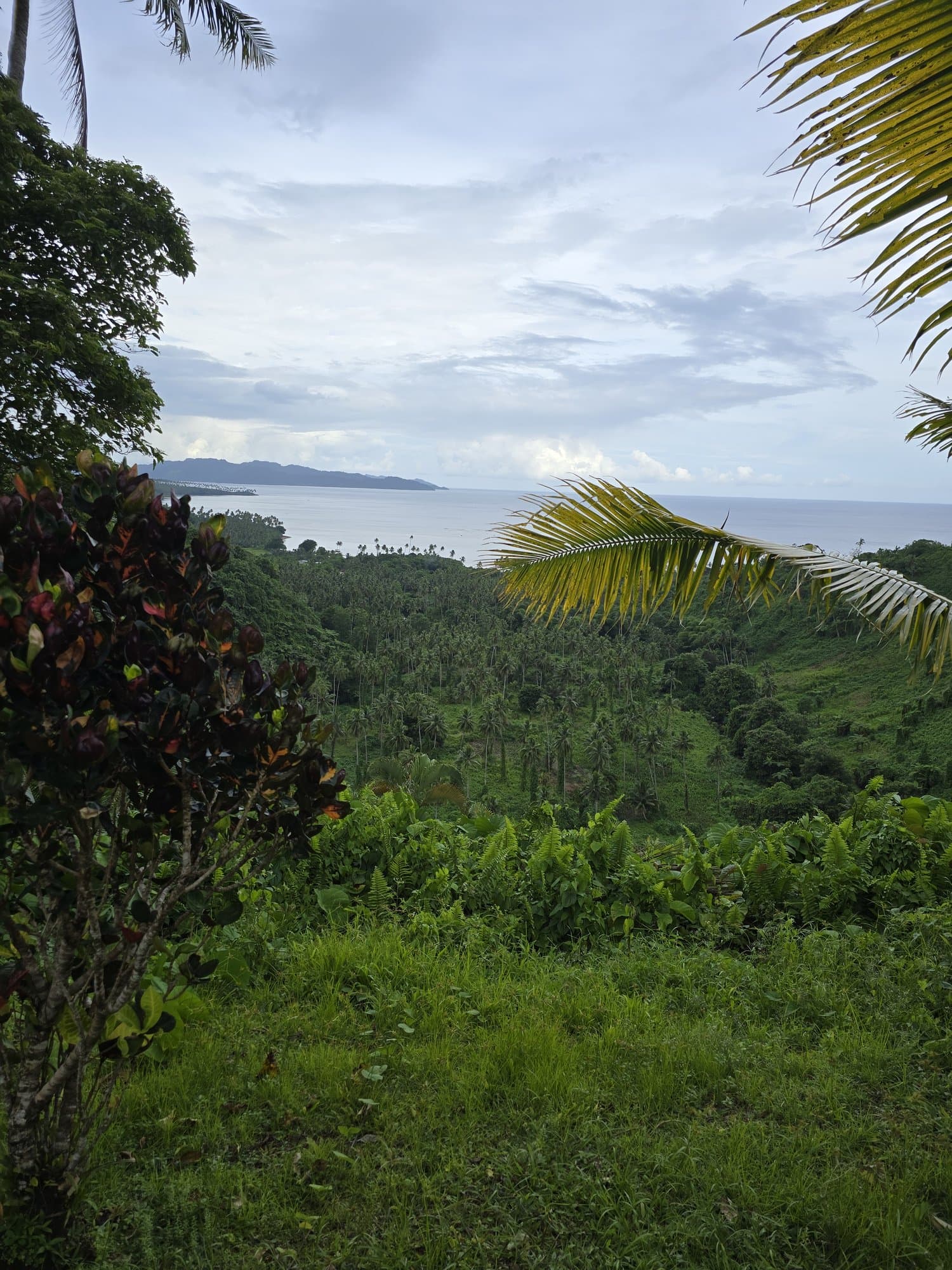
Yes – it might be the best-value honeymoon in the South Pacific, but the answer depends on which Fiji you book. One resort island for two weeks is the default and wastes what makes Fiji special: the variety. The honeymoon that works runs the island chain – a few stops, each with its own bay, reef and rhythm – then flies east to the rainforest. Two completely different Fijis in one trip.
Which part of Fiji should you stay in?▾
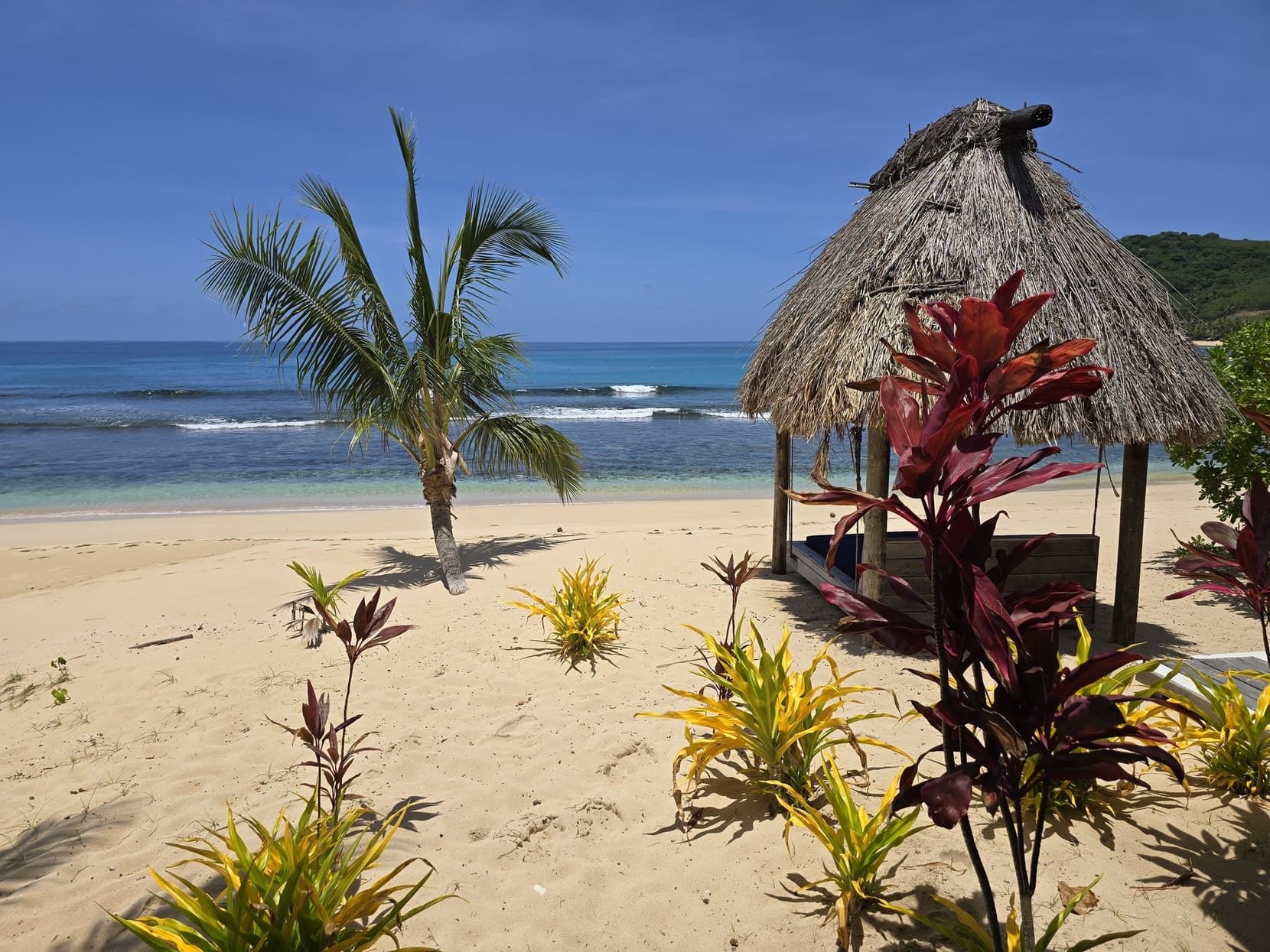
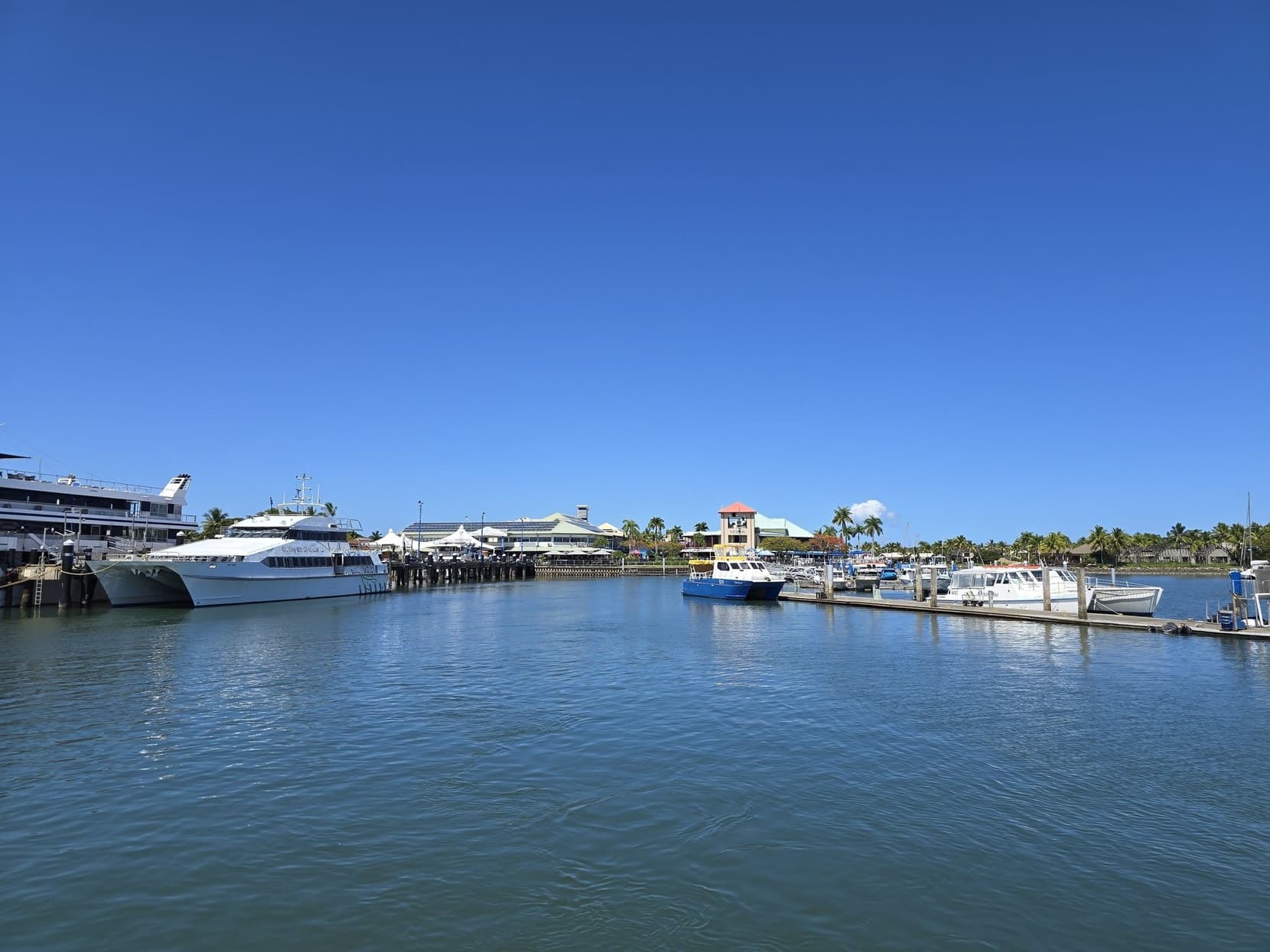
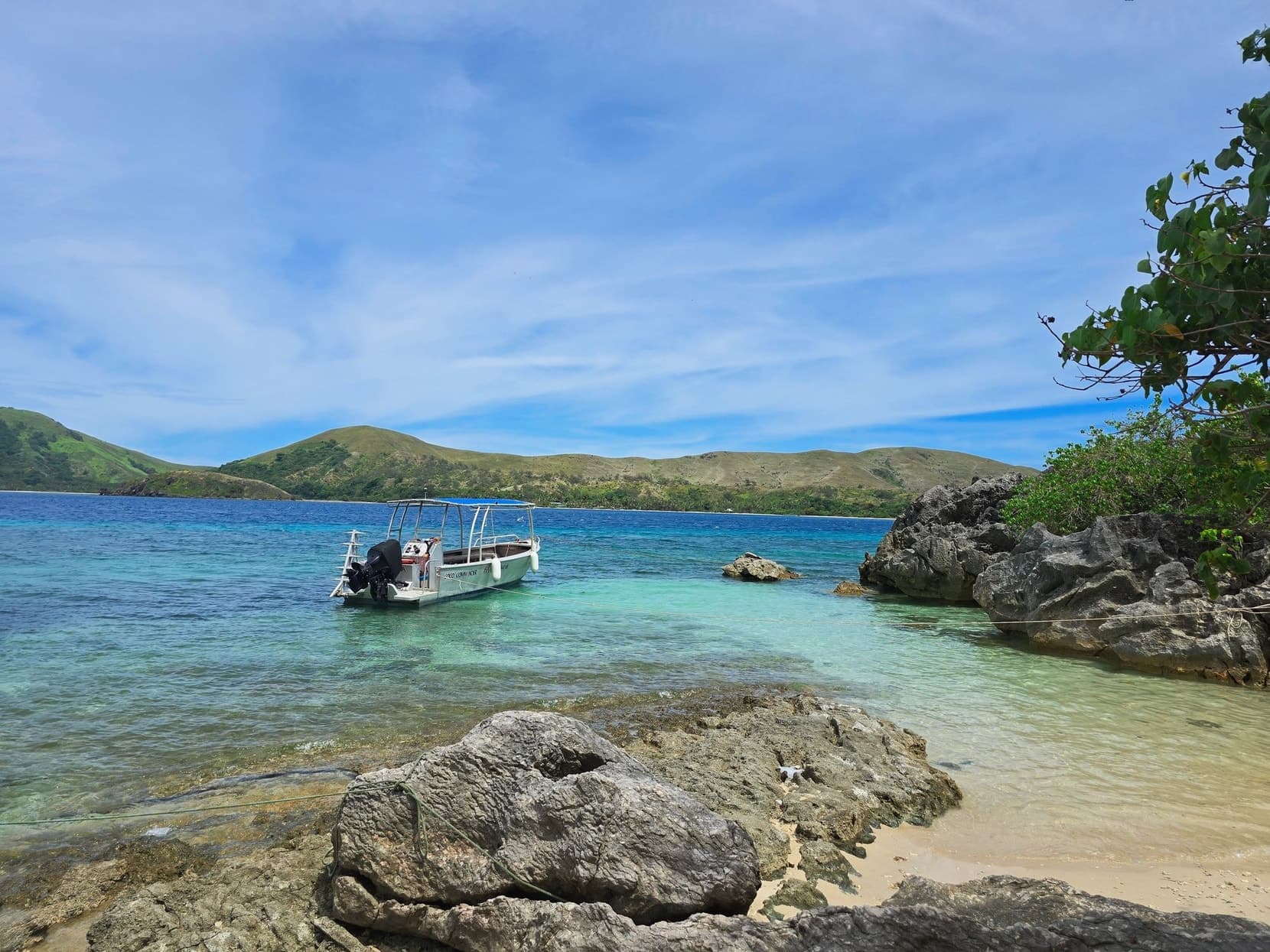
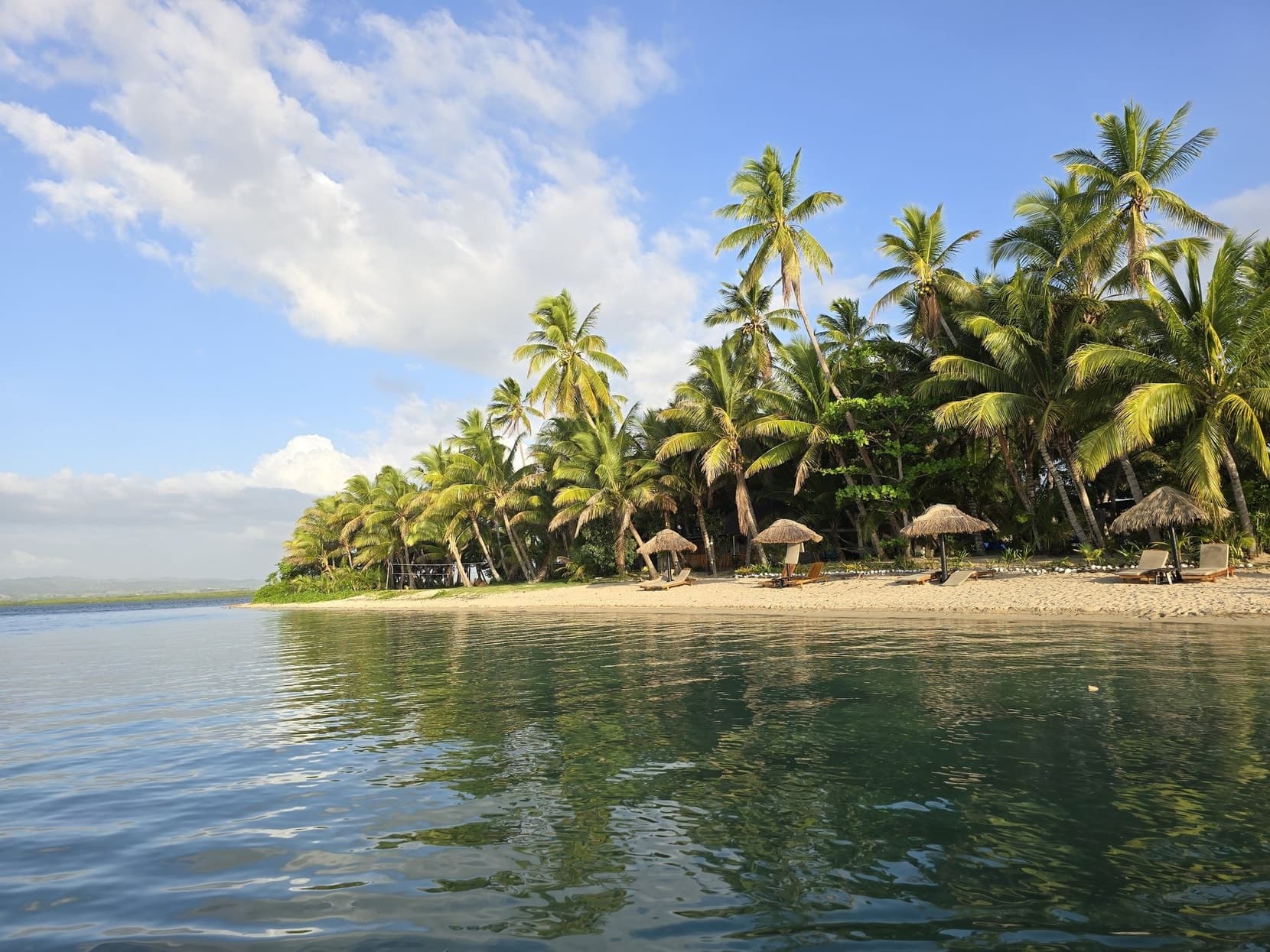
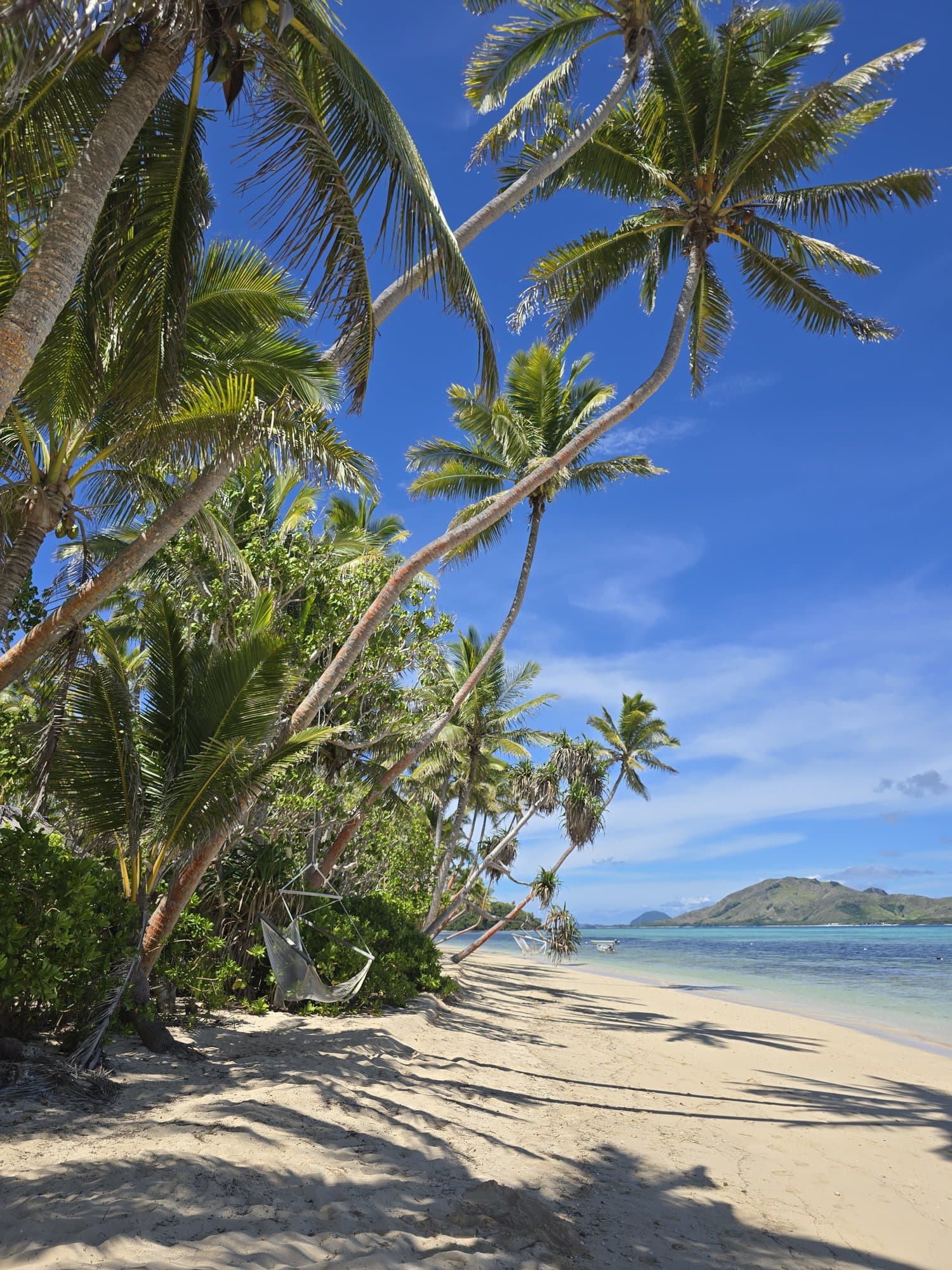
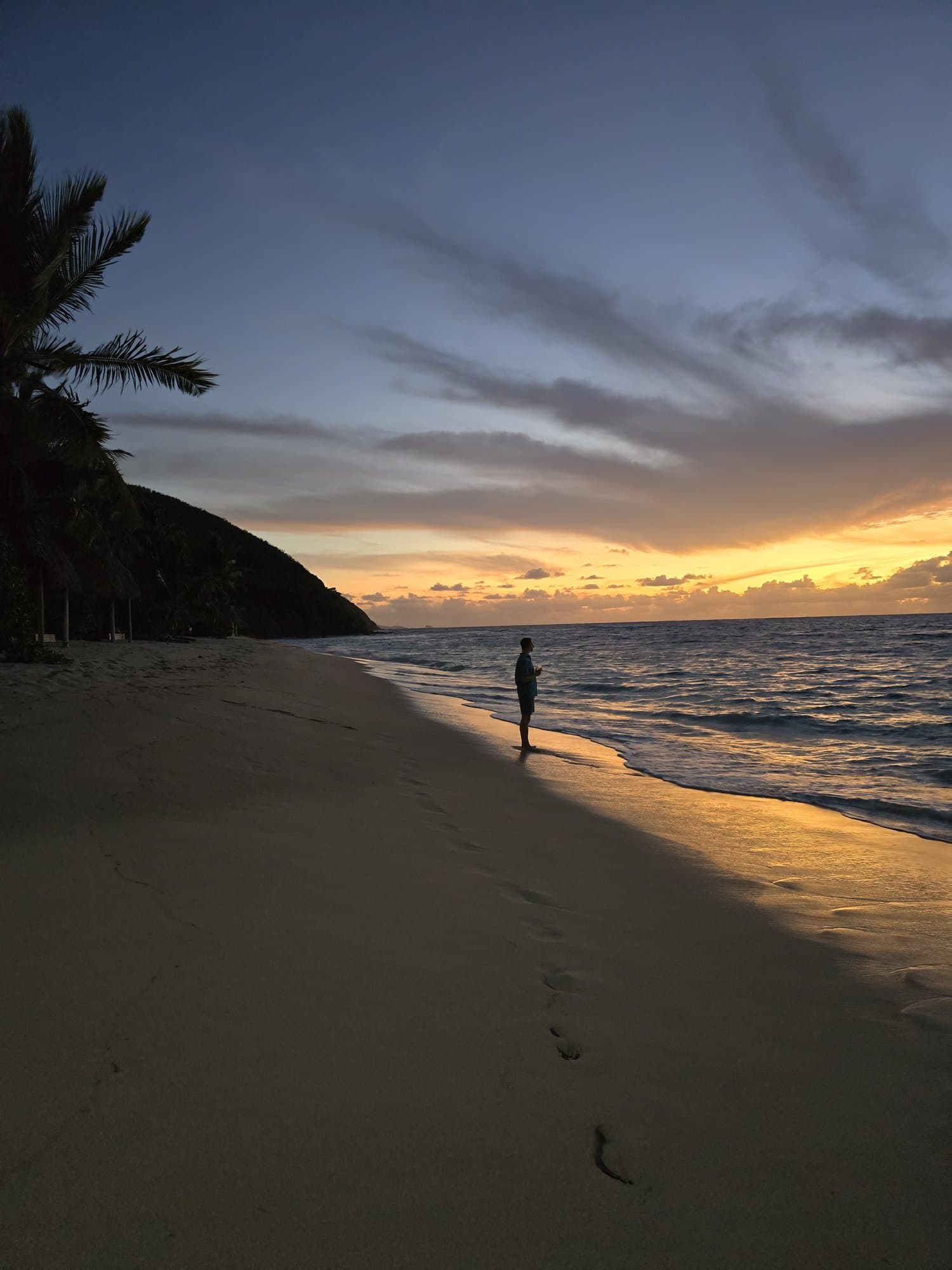
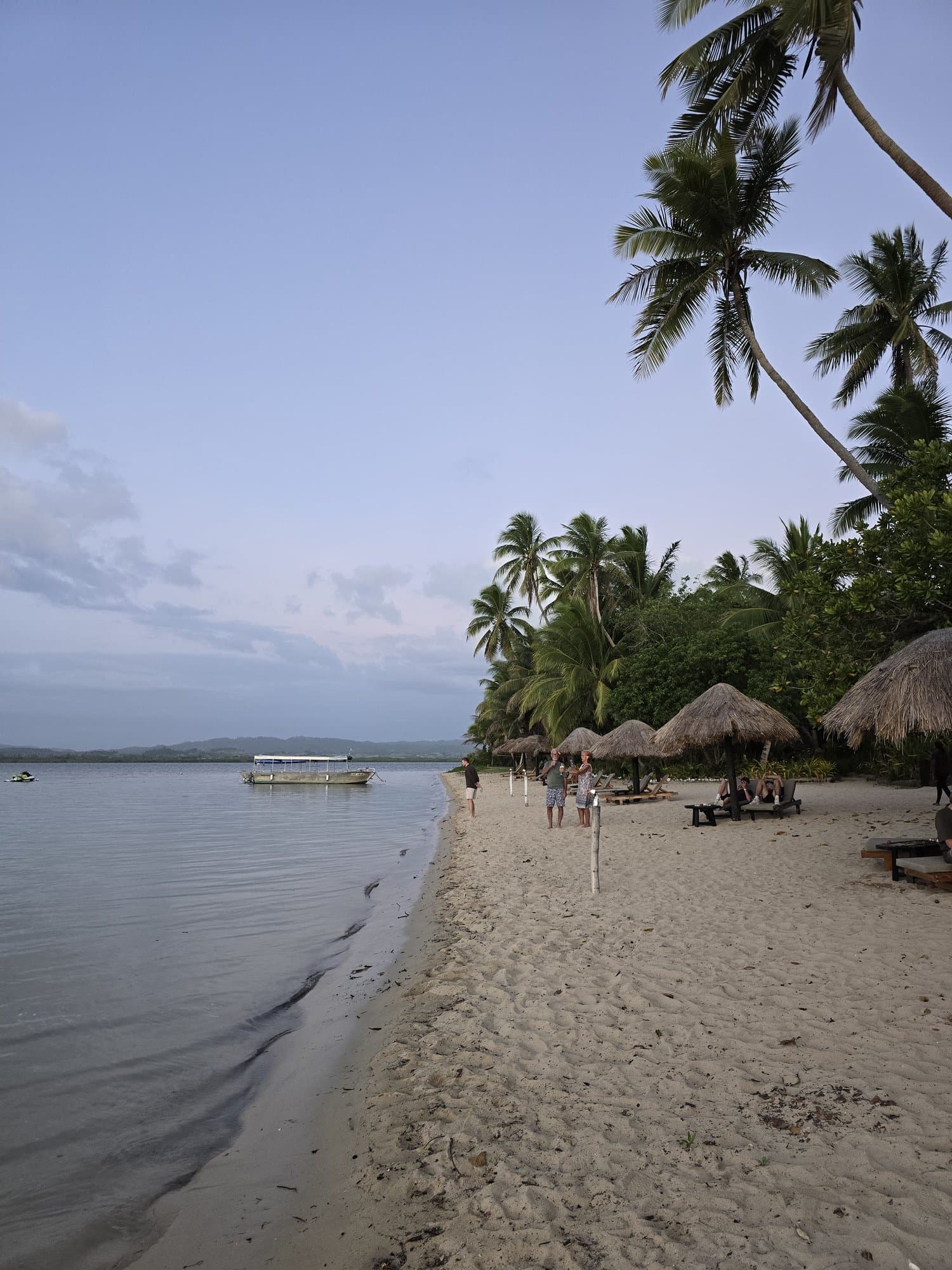
Out on the islands, not the mainland. Denarau, the resort strip by the airport, is built on reclaimed mangrove – the sand is grey, the water is murky, and everyone swims in the pools. It earns its place as a base: land there, catch the boats, come back to fly. The Fiji you are picturing – white sand, clear water, singing as the boat comes in – starts an hour offshore.
How many days do you need in Fiji?▾
A week covers the Yasawa islands properly. Ten days adds Taveuni and its reef, and is the most-searched length for a reason. Two weeks is the honeymoon shape – the same trip at a pace where no island is rushed. A single day between flights is genuinely usable too, because Nadi is the region's transit hub.
Is Fiji expensive?▾
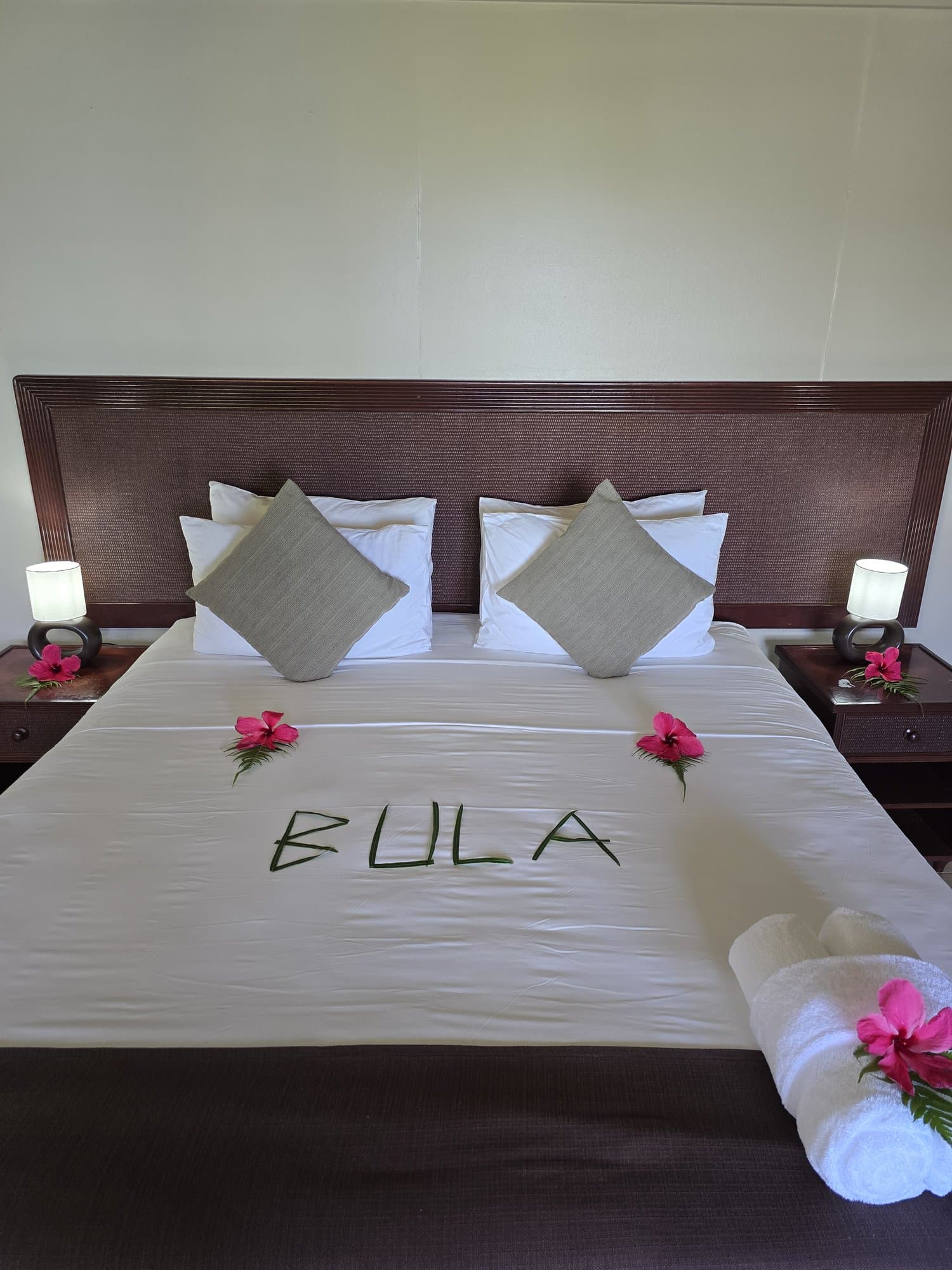
Less than its reputation, if you skip the package. Getting up the islands and back – the hop-on catamaran pass that is the trip's spine – runs about €250 per person, and that is what moving around costs, not what the trip costs. The real range sits in the bed you pick and the meal plan that rides with it: the same island often runs from a fan-cooled bure to a villa. The guide prices every bed at every stop, line by line.
When is the best time to visit Fiji?▾
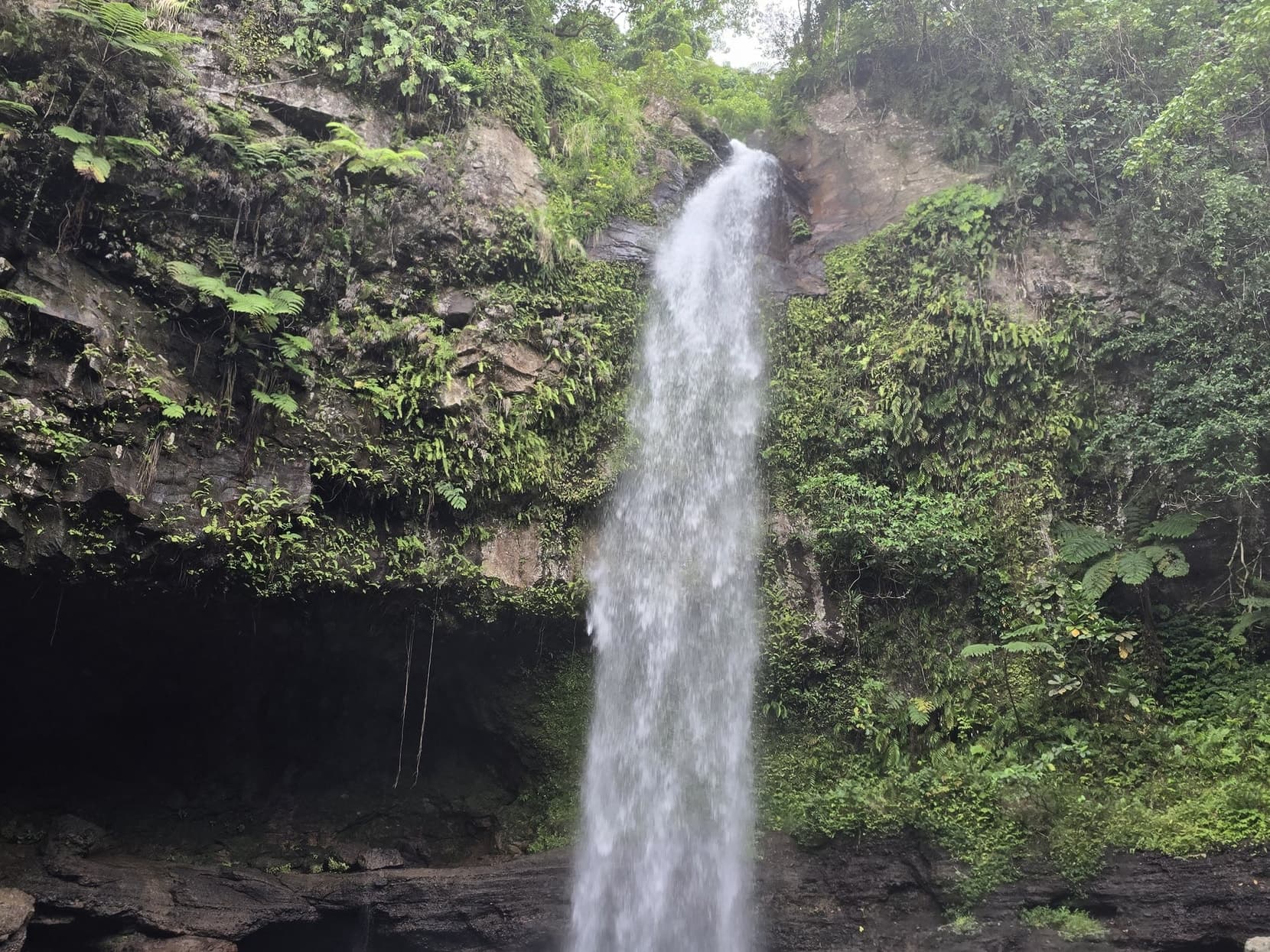
May to October – the dry season, with clearer water and the mantas feeding. July and August are the busiest of it, and December and January carry holiday pricing on top of the wet. The wet season is a real gamble that sometimes pays: cheaper, greener, waterfalls at full volume, and rain that can close a pool for days.
How does island hopping work in Fiji?▾
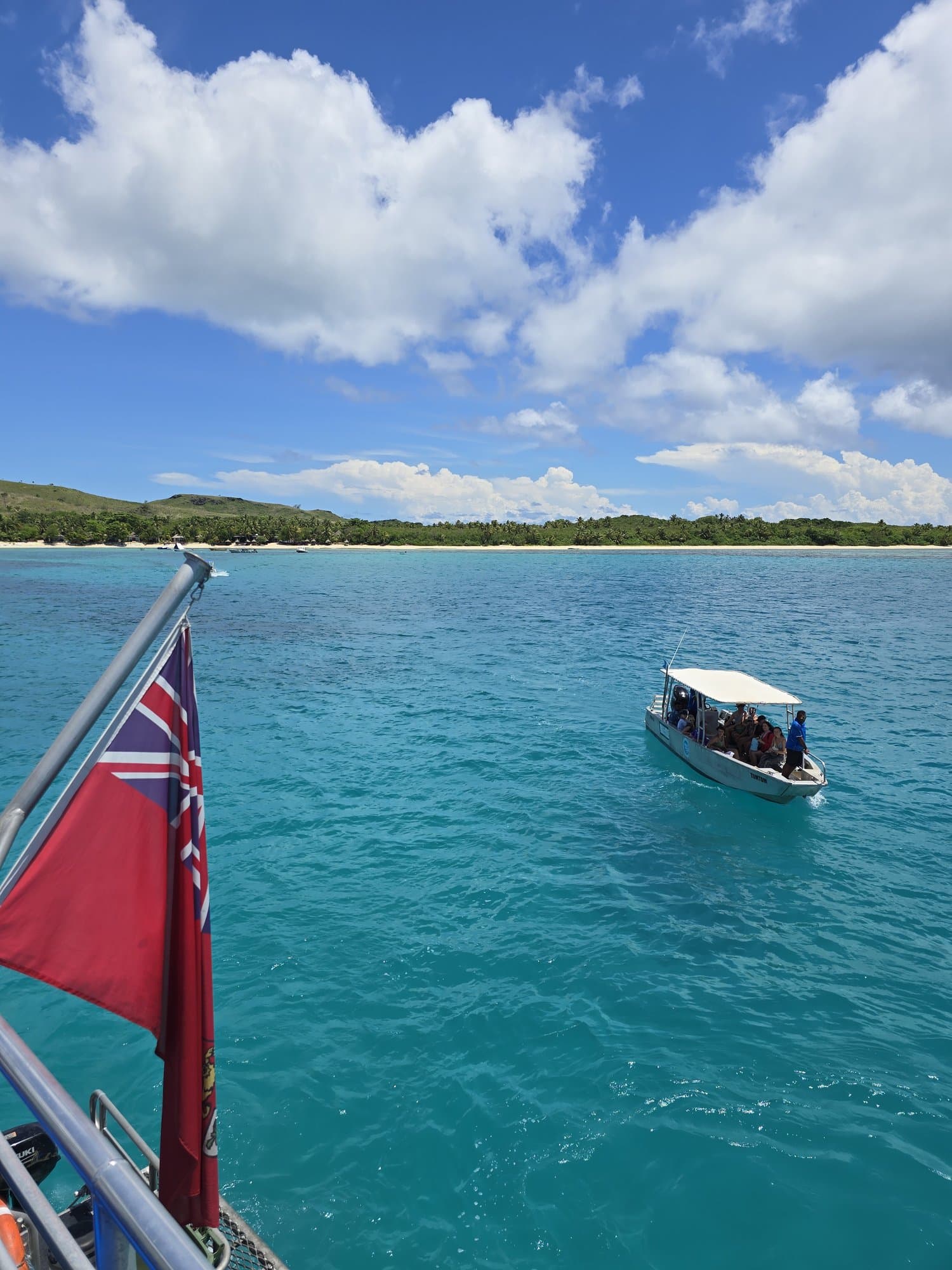
One catamaran runs the island chain daily, and a multi-day hop-on pass lets you get off at an island, stay, and catch the boat onward. The boats never dock – each resort sends its own boat out to collect you. The catch: the pass covers transport only, so every island needs a bed booked before you board, in order. Getting that sequence right is half of what the guide is for.
Can you enjoy Fiji without a dive licence?▾
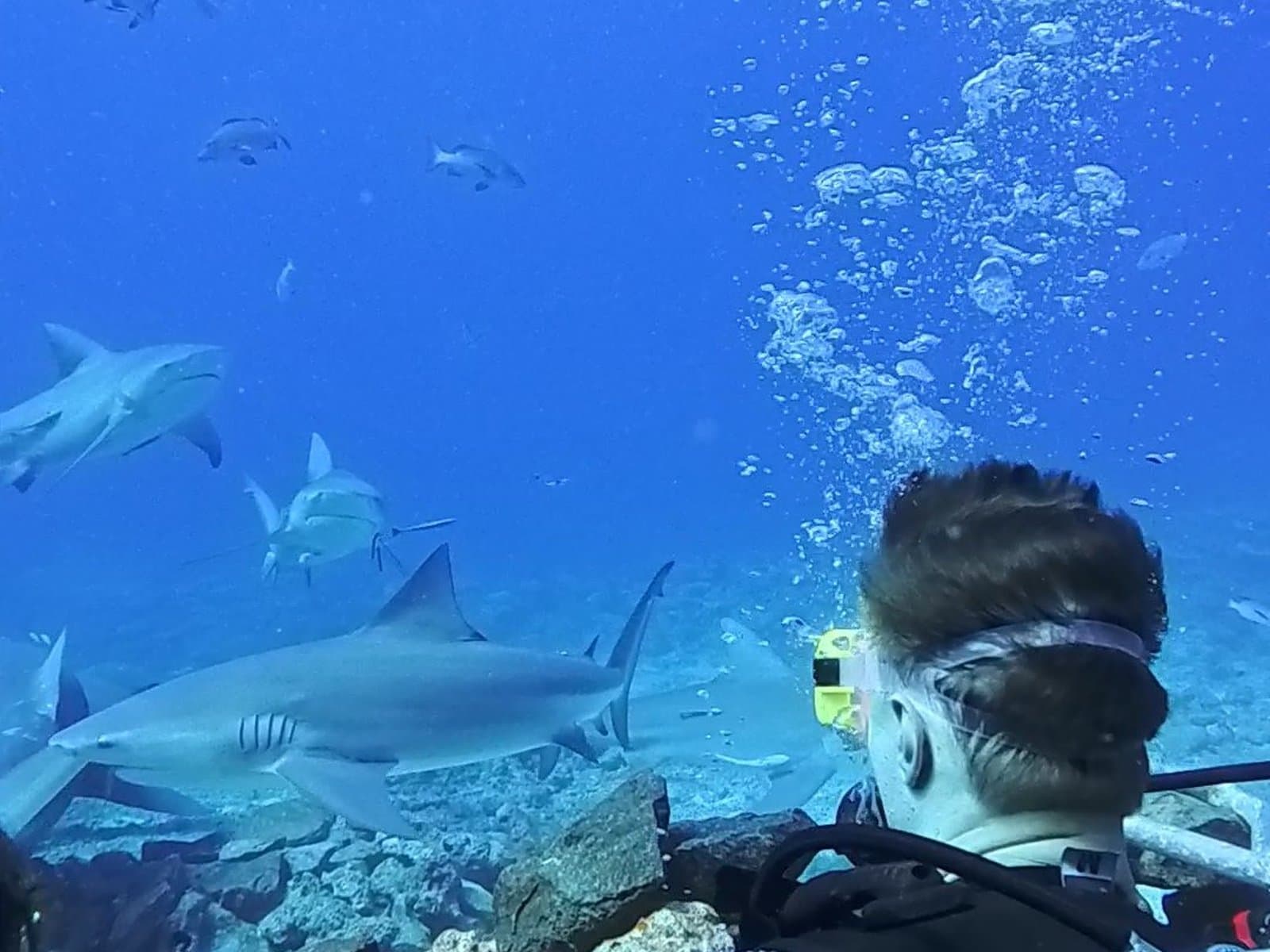
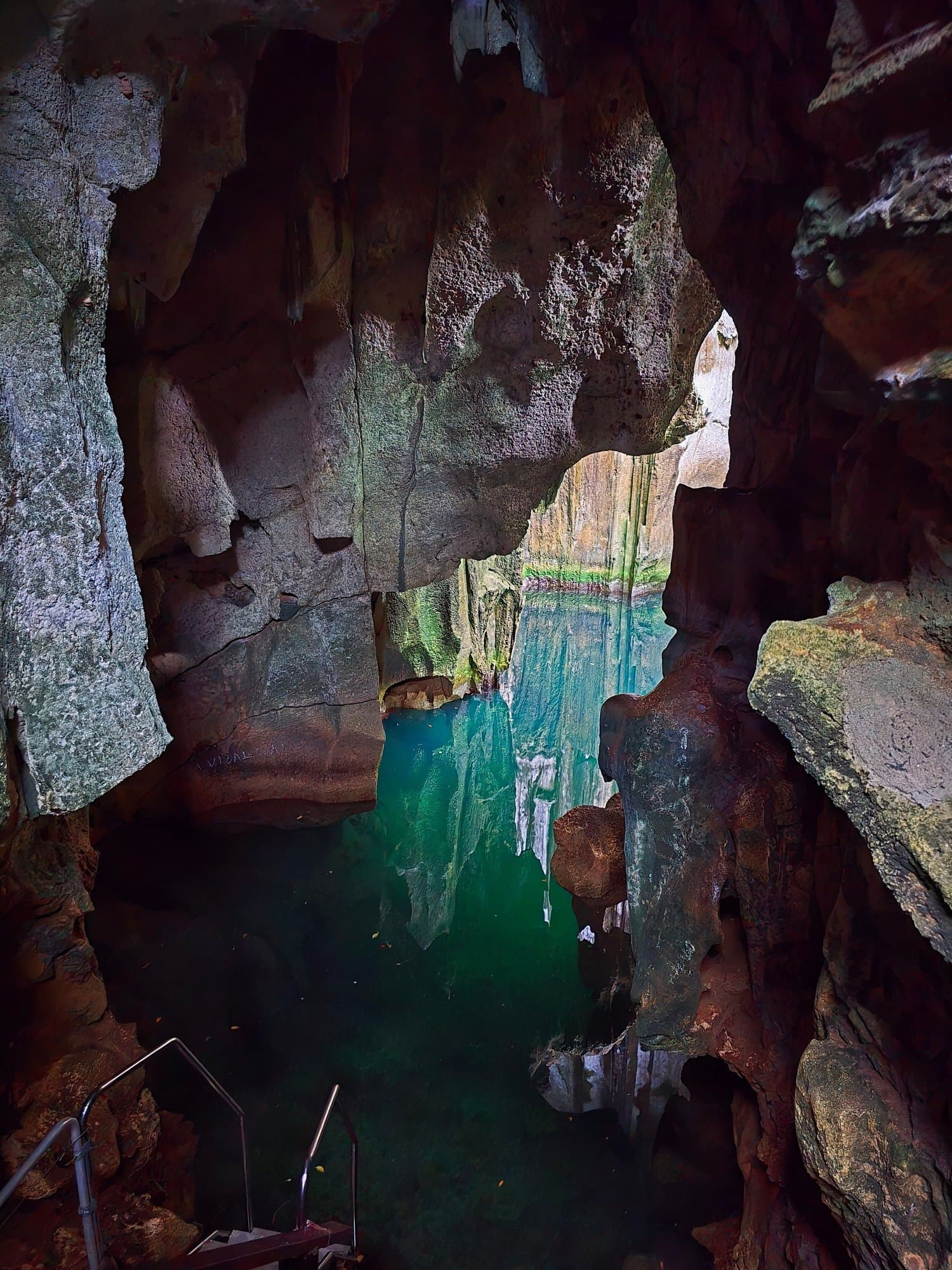
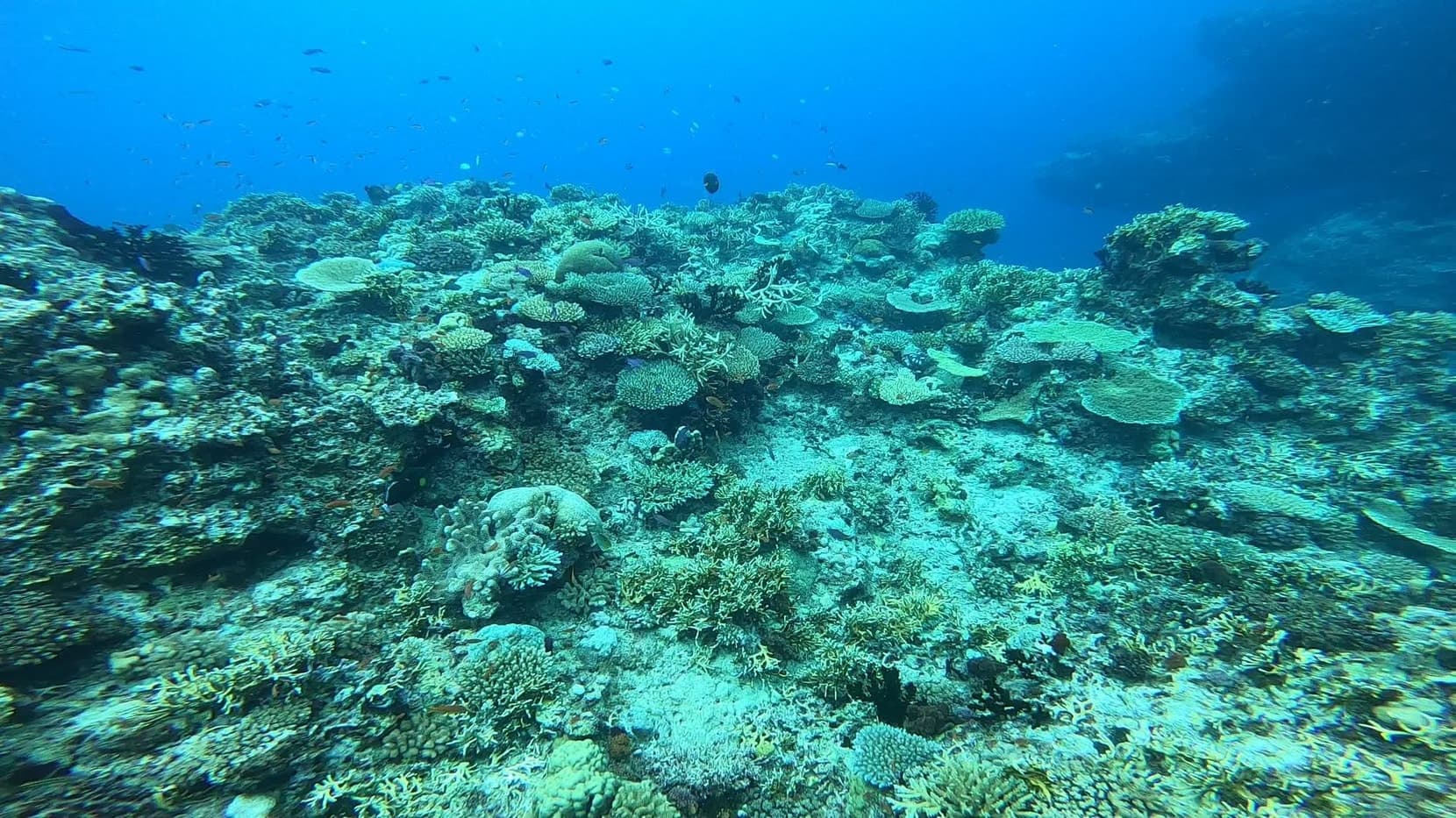
Completely. The reef-shark snorkel, the manta channel, the cave swim and every house reef need nothing but a mask – boats take you out and guides lead you round. The licence buys exactly one thing worth wanting: the deep soft-coral walls off Taveuni. If that is the dream, get certified before you fly, not during the honeymoon.
Fiji or Samoa – which is better?▾
Different trips. Fiji is the islands-and-boats holiday: hundreds of islands, dive boats, resort bays, a pass that strings them together. Samoa is two big islands you drive yourself, with tourism a footnote. For a honeymoon or an island-hopping trip, Fiji; for one rental car and a culture with no crowds, Samoa.
Is Fiji safe?▾
Yes – Fiji is one of the Pacific's easiest countries to travel, and the welcome is famous for a reason. The real risks are practical: the November-to-April cyclone season (forecasts give days of warning, and insurance that covers weather is the answer), strong sun, and coral underfoot. There is no malaria.
What is the Great White Wall?▾
Fiji's most famous dive: a sheer drop-off near Taveuni blanketed in white soft coral, reached through a tunnel in the reef. The catch is the tide – the corals only open and glow when the current feeds them, so the day and the hour matter more than the site. It is deep, for certified divers only, and the reason our itinerary keeps a flexible day beside it.
Do you need a car in Fiji?▾
No. The islands run on boats, the mainland runs on taxis and transfers, and nothing in a normal trip needs a wheel in your hands. The one exception is Taveuni, where a driver for the day or a hire car is how you reach the falls and the coastal walks – arranged there, not planned from home.