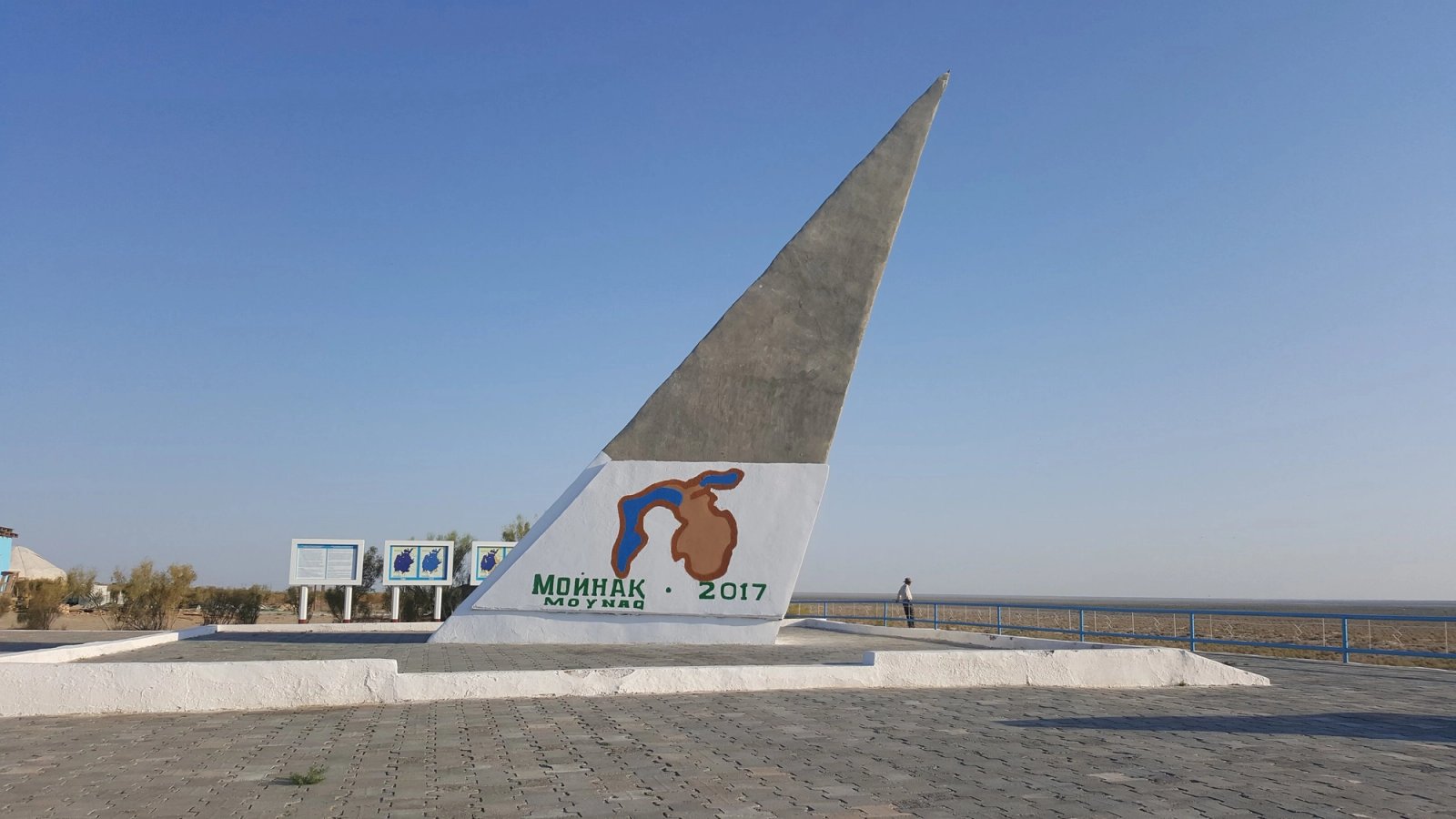
Moynaq · Uzbekistan · Asia
The ship graveyard where the sea used to be
Rusting trawlers sit in open desert – the Aral Sea retreated so far it is no longer visible from shore.
Tested by Paulius Pikelis · 140 countries
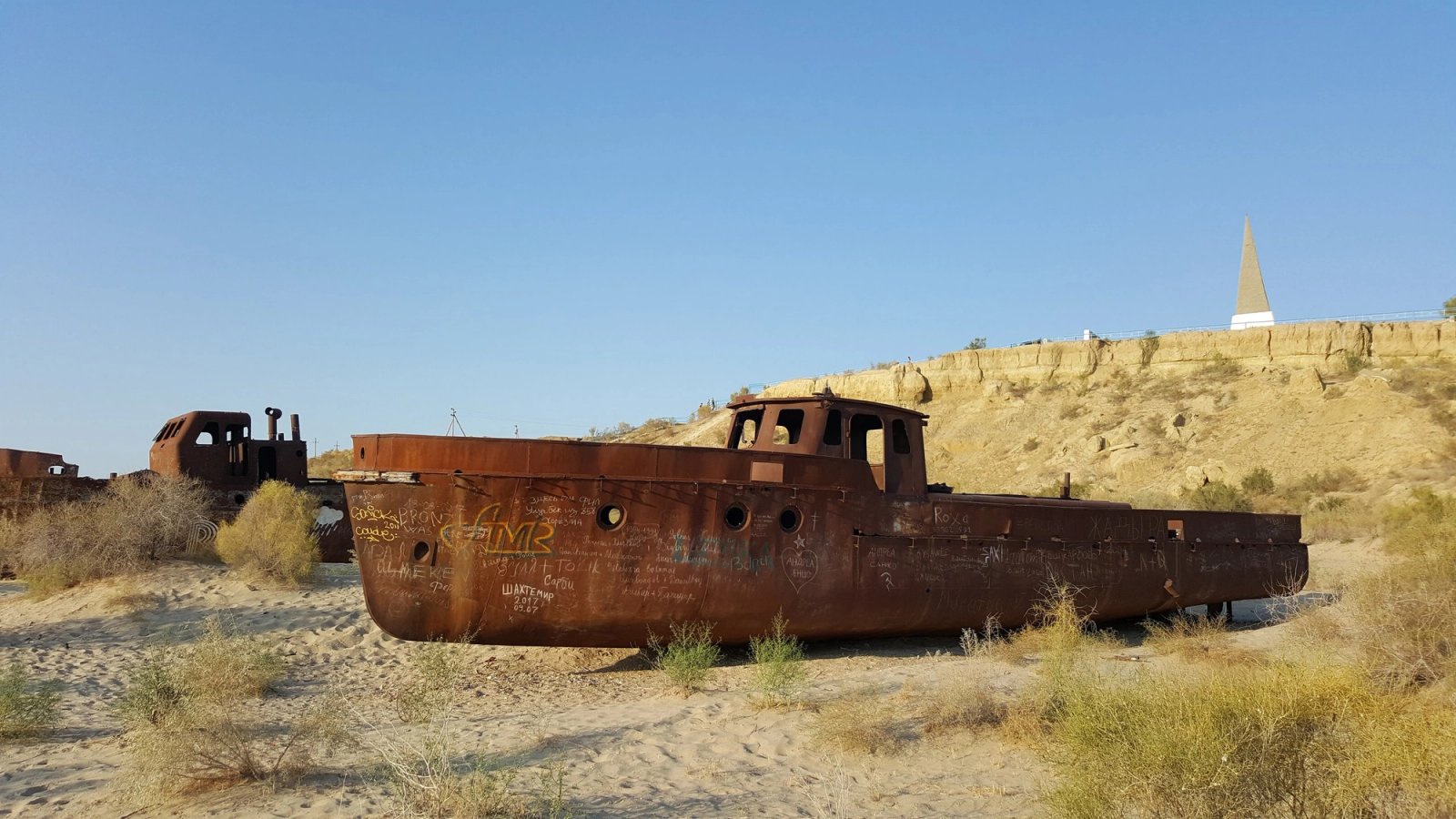
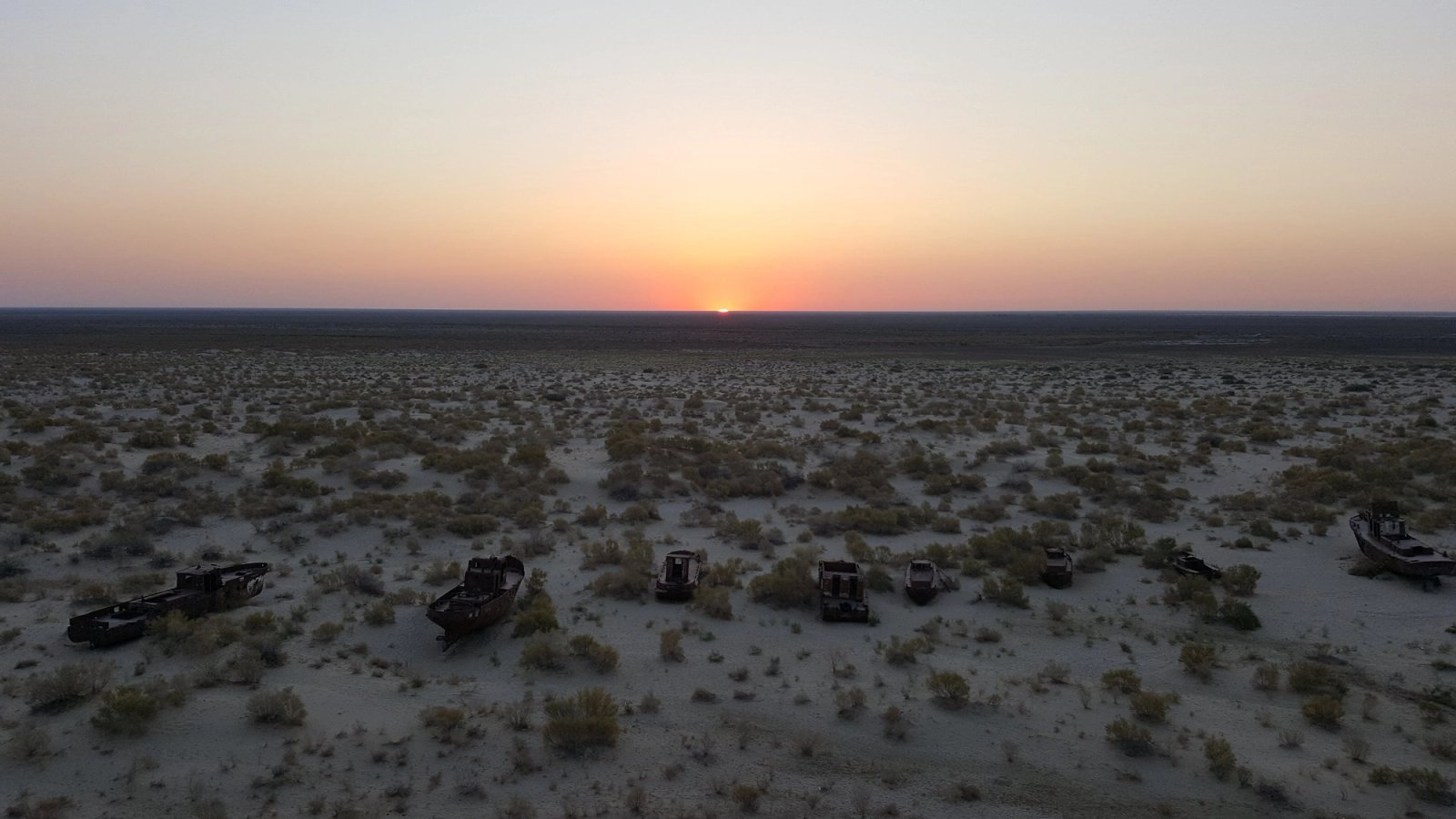
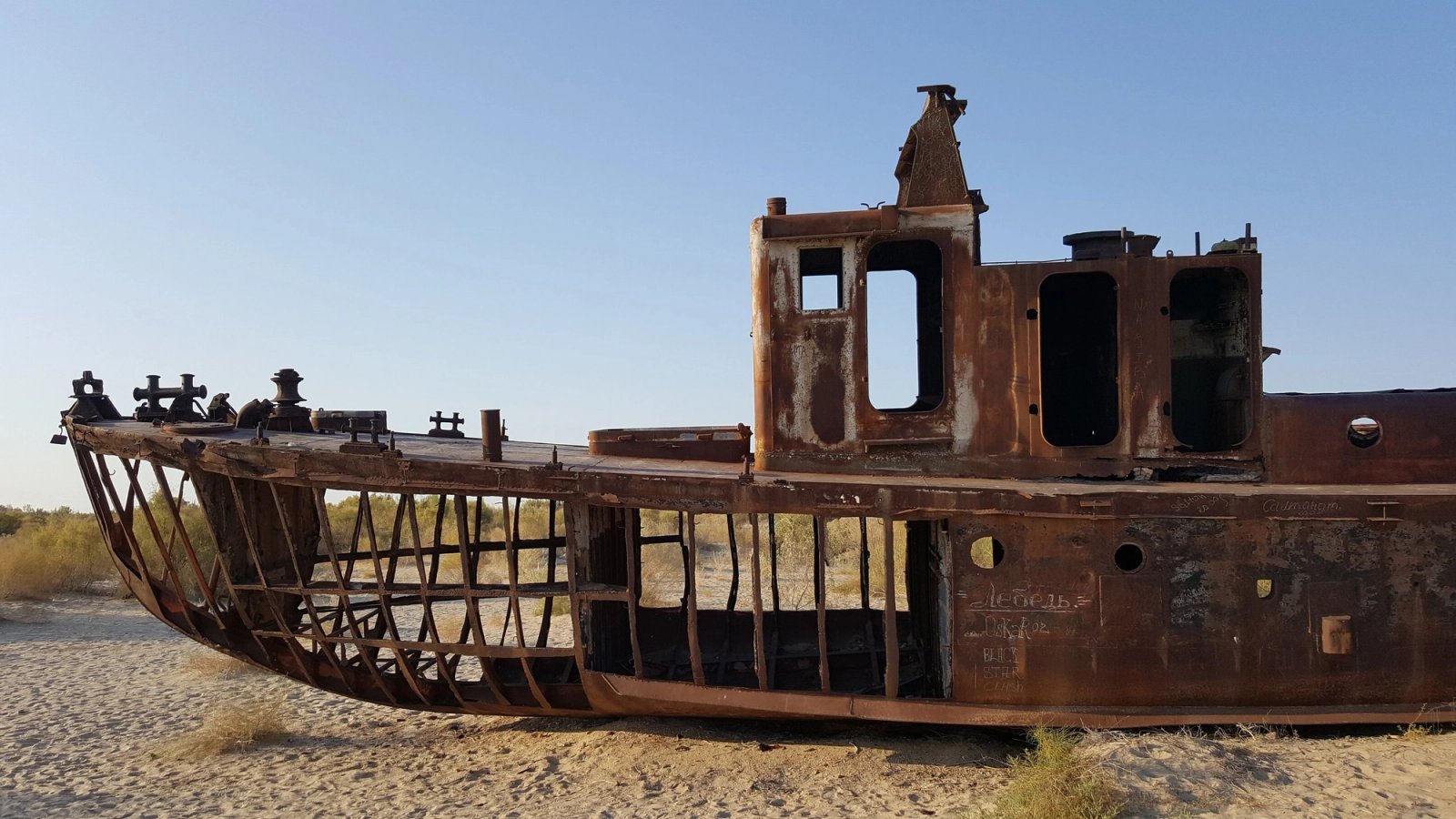
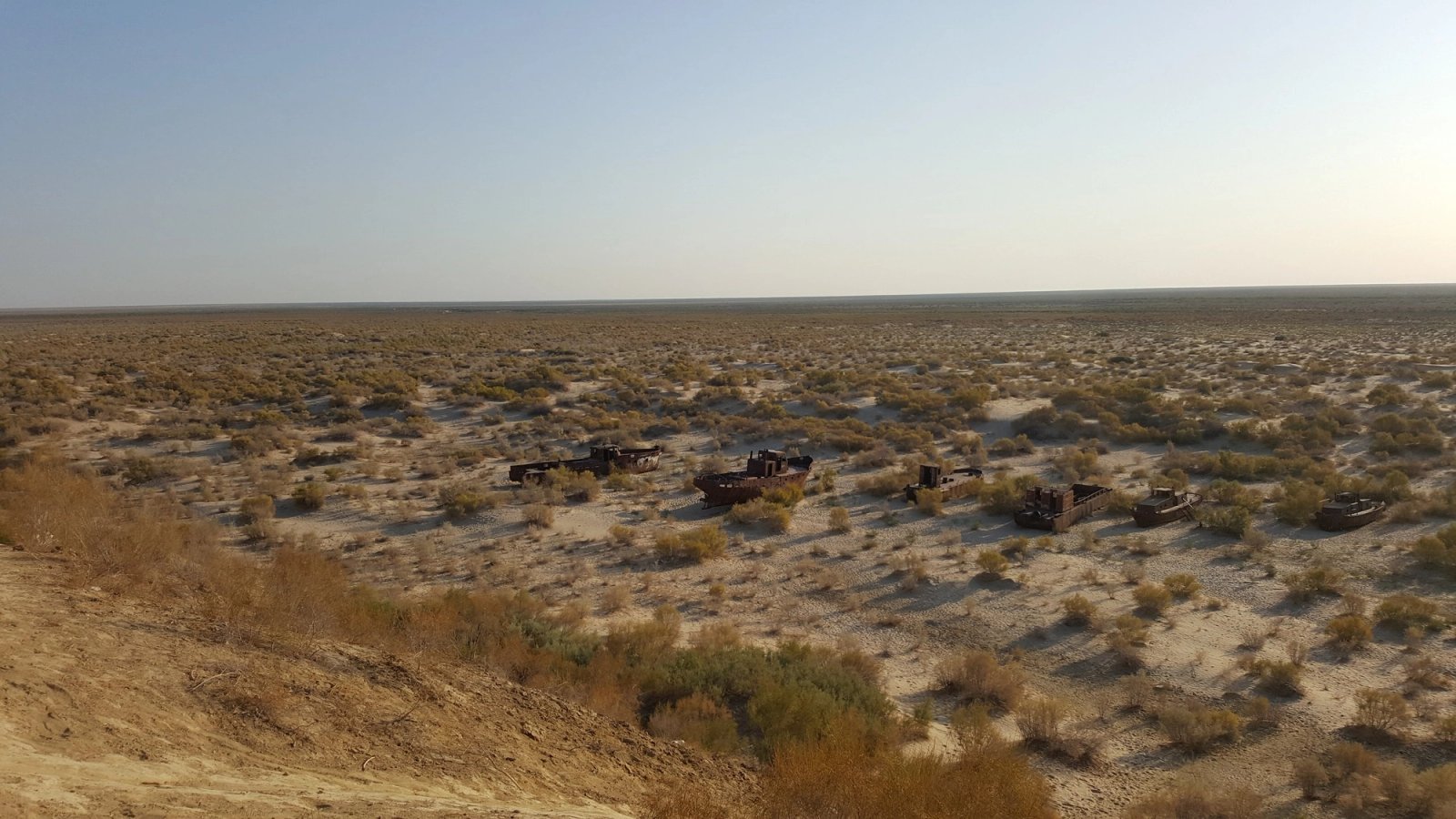
At Moynaq, in the far north of Uzbekistan, fishing boats sit rusting on dry sand. Not beached, not abandoned near the shore. Stranded in a desert, with no water anywhere in sight, and none for a very long way.
This was a fishing port. Trawlers worked out of here, canneries employed the whole town, and the Aral Sea, once counted among the largest lakes on earth, came right up to the edge of it. Then Soviet planners diverted the rivers that fed the sea in order to irrigate vast cotton fields, and the water simply stopped arriving.
What is left is one of the great environmental catastrophes, and you can walk around inside it. The sea shrank to a fraction of its old size, and it retreated so far that the port town it once fed now sits in the middle of nothing. The boats never moved. The sea left them behind.
We drove up through the night, parked, pitched tents beside the ships, and slept. Waking at half past six to a sunrise over rusting hulls in a desert is one of the strangest, most quietly devastating things I have seen anywhere.
By the time we crawled out, other travellers had arrived and were photographing our tents pitched alongside the wrecks, which felt about right. We ate cold tinned food off the tailgate for breakfast, the same tinned food we had eaten for days, and then went out to walk among the boats.
It is a long detour to a place with nothing to sell you. Make it anyway. Some things you should see with your own eyes.
The boats stayed. The sea did not.