Is Guinea-Bissau safe to visit?▾
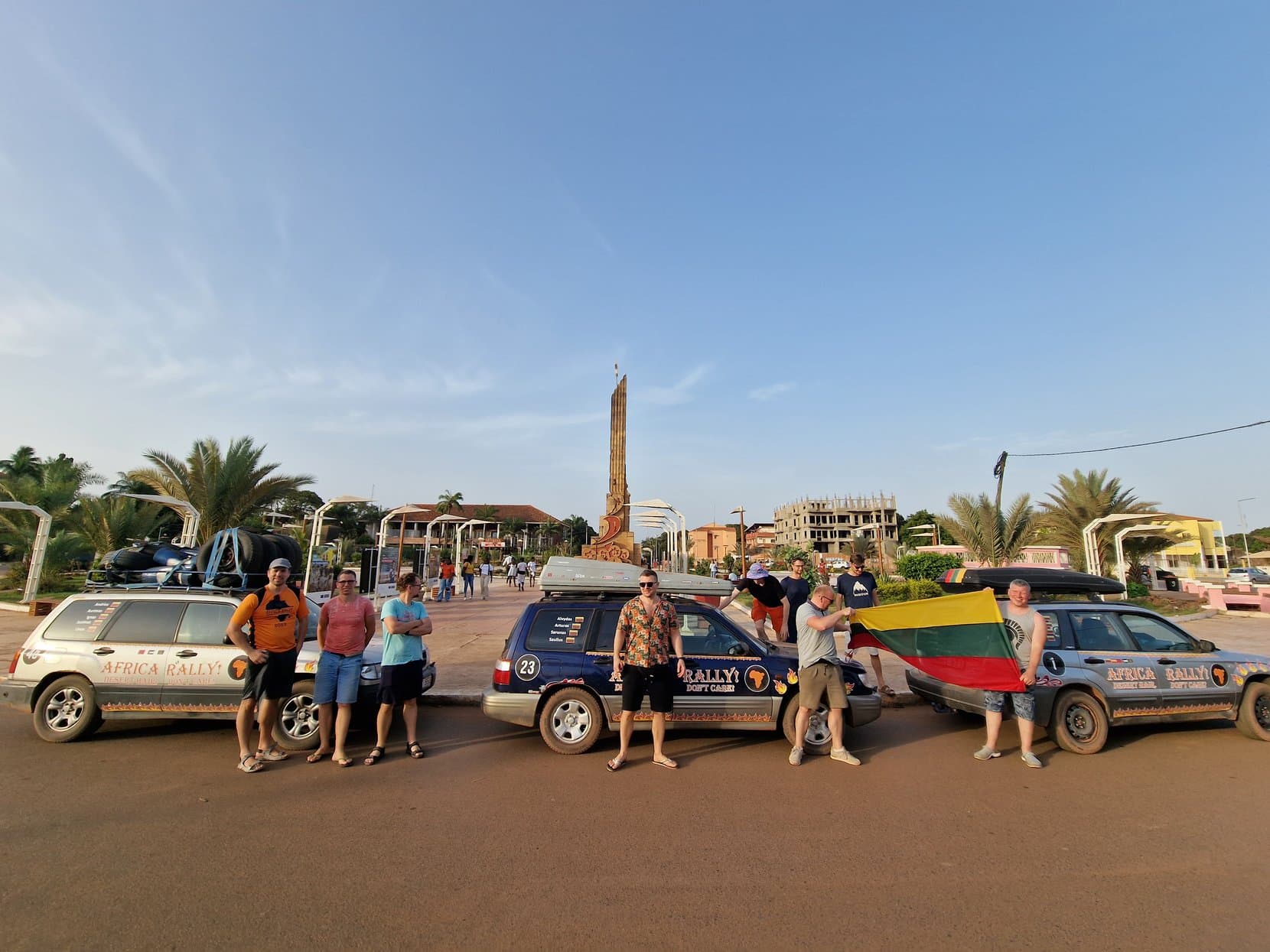
Treat it as a genuinely elevated-risk destination and check the current advice before you book – this is not a country where a page written months ago should be your source. The army took power in November 2025 and a transitional government followed, and the advisories moved with it: the US currently says reconsider travel, and Canada advises a high degree of caution overall plus avoiding non-essential travel within 20 km of the Senegal border, where banditry linked to the Casamance conflict is the concern. Landmines from the independence and civil-war eras remain a real hazard outside the capital, with Bafatá, Oio, Biombo, Quinara and Tombali named as the worst regions; Bissau itself is declared mine-free. Our own two days, driving in from Senegal well before the coup, involved no threat more serious than repeated police stops looking for a reason to be paid. That is one calm crossing in a calmer period, and it should be weighed as exactly that.
Is Guinea-Bissau worth visiting?▾
For most travellers, not on its own – and that is the honest answer. It is worth visiting if you are already crossing West Africa overland, or if the Bijagós archipelago is the specific thing you want, because the islands are genuinely unusual and now carry a UNESCO World Heritage listing. What it does not have is a spread of sights: the mainland offers one small colonial quarter, a long drive, and a country that receives fewer visitors in a year than a single European city does in a busy weekend. Come for the archipelago or come because you are passing. Do not come expecting a circuit.
How many days do you need in Guinea-Bissau?▾
Four or five if you have flown in, because that is the shortest trip that gets you out to the islands and back. Two days covers the capital's old town in an evening and one full day's drive across the interior, which is what we did and is fine as transit but does not justify a flight on its own. A week or more is the version the country is really shaped for, spent among the islands at the pace the boats and tides allow.
Do you need a visa for Guinea-Bissau?▾
Almost certainly yes, and the thing to plan around is where you get it rather than how hard it is. When we crossed there was no online application and nothing issued at the border, so unless your nationality is exempt the visa has to be collected in person beforehand – at an embassy or consulate at home, or, coming overland, at one in a neighbouring country. That is the part worth knowing: it fixes a point on your route before the frontier, and it is the step most likely to catch out anyone planning to drive in. Visa channels here change without announcement, so confirm your own case against an official source close to your travel date rather than a forum post.
What is the difference between Guinea, Guinea-Bissau and Equatorial Guinea?▾
Three different colonial powers left three countries with almost the same name. Guinea – often called Guinea-Conakry after its capital – was French and is the largest. Guinea-Bissau was Portuguese and added its capital's name to tell itself apart. Equatorial Guinea was Spanish, sits far away in Central Africa rather than West Africa, and is the only African country with Spanish as an official language. Guinea-Bissau is the small one on the Atlantic between Senegal and Guinea, and it is the only one of the three where you will hear Portuguese and its creole.
Are the Bijagós Islands worth visiting, and how do you get there?▾
By every account yes, and this is the part of the country we cannot vouch for first-hand – we were crossing overland and did not have the time, so we drove past and out the far side. What is established: it is a cluster of scores of islands off the coast, listed by UNESCO as a World Heritage site in 2025, holding West Africa's saltwater hippos along with sacred forests and a distinctive Bijagó culture. Bubaque is the administrative centre and the island with a mainland ferry connection; Orango is the one associated with the hippos. Access runs on boats, weather and a small number of lodges rather than on a timetable you can rely on, so it needs its own days rather than an afternoon. If you are flying to Guinea-Bissau at all, this is what you are flying for.
When is the best time to visit Guinea-Bissau?▾
November to February. That is the dry season at its most comfortable, with the roads at their best and the sea calm enough for island crossings to be dependable. February also brings Carnival, which is the country's largest national celebration and mixes Portuguese carnival tradition with masked processions from different regions and neighbourhoods. June to October is the rainy season – green and dramatic, but hard on roads that are already poor and less reliable for getting out to the islands.
What is the political situation in Guinea-Bissau?▾
Unsettled. The army seized power in November 2025 following the presidential election, suspended the electoral process and installed a transitional government, in a country that has seen repeated coups and attempted coups since independence. Practically, that means demonstrations and disruption are plausible at short notice and that advisory levels have been revised upward. It does not mean the country is closed. It means you check your own government's current advice as part of booking rather than as a formality, and you keep some flexibility in the plan.
What is there to see in Bissau?▾
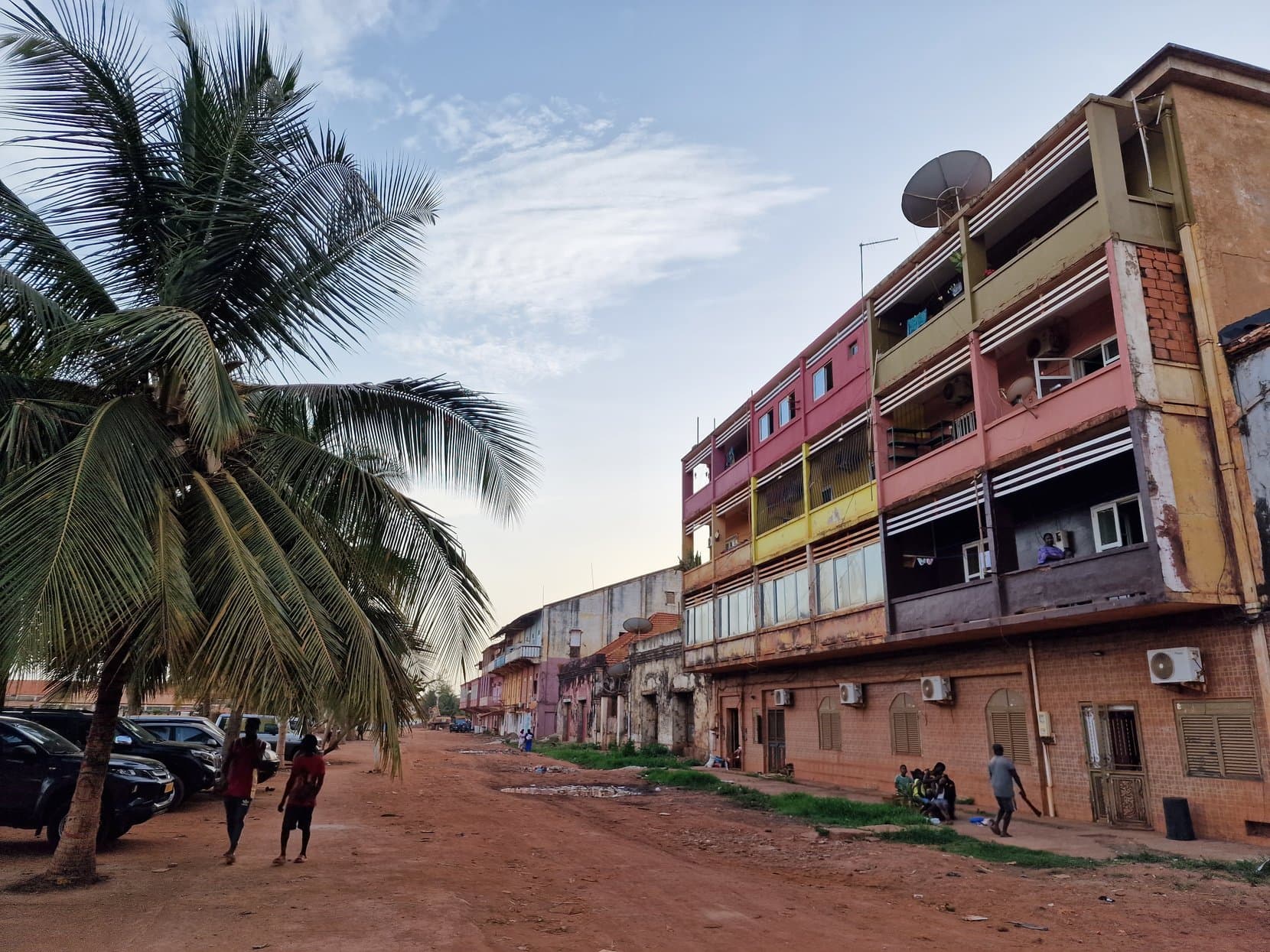
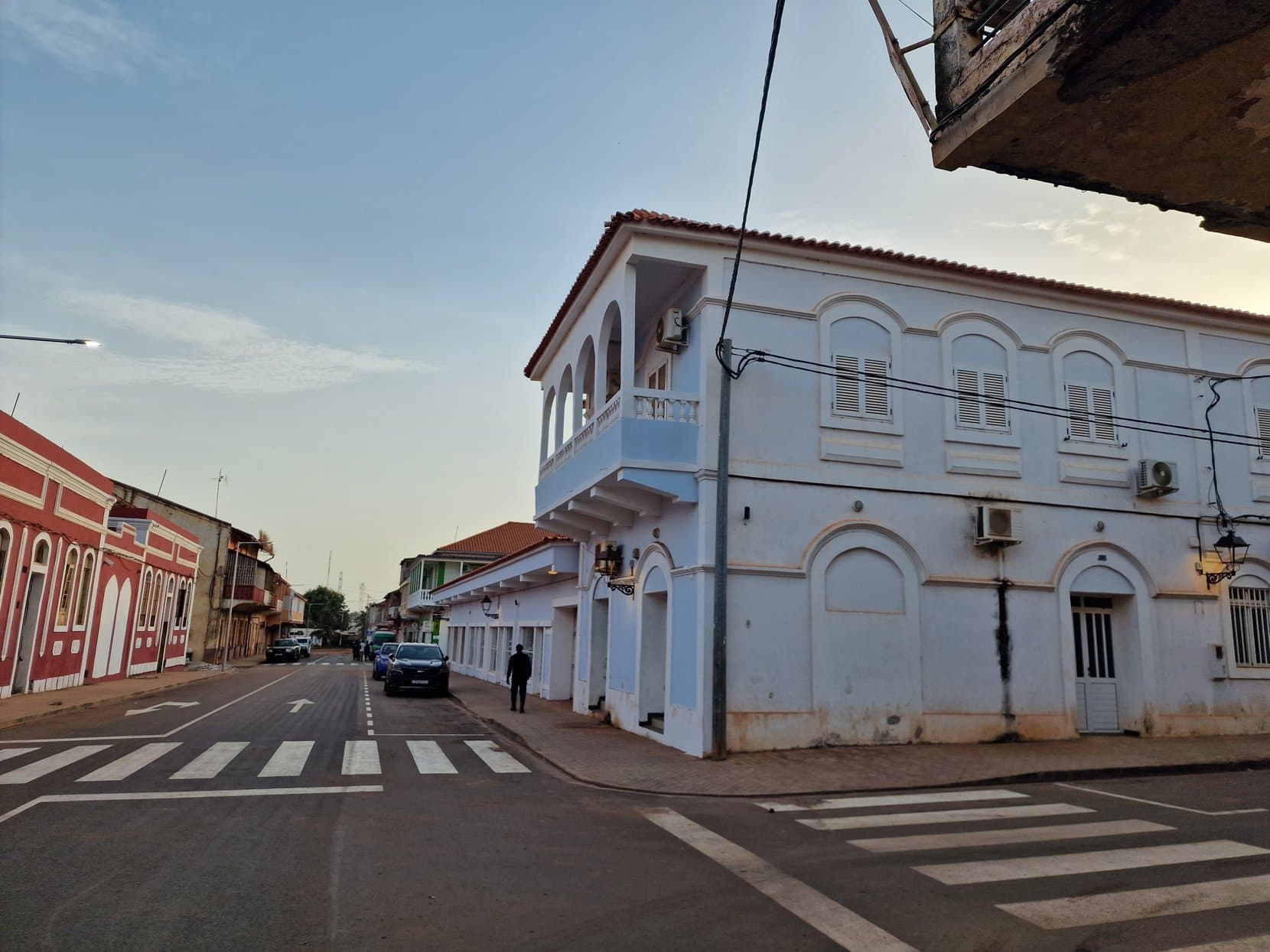
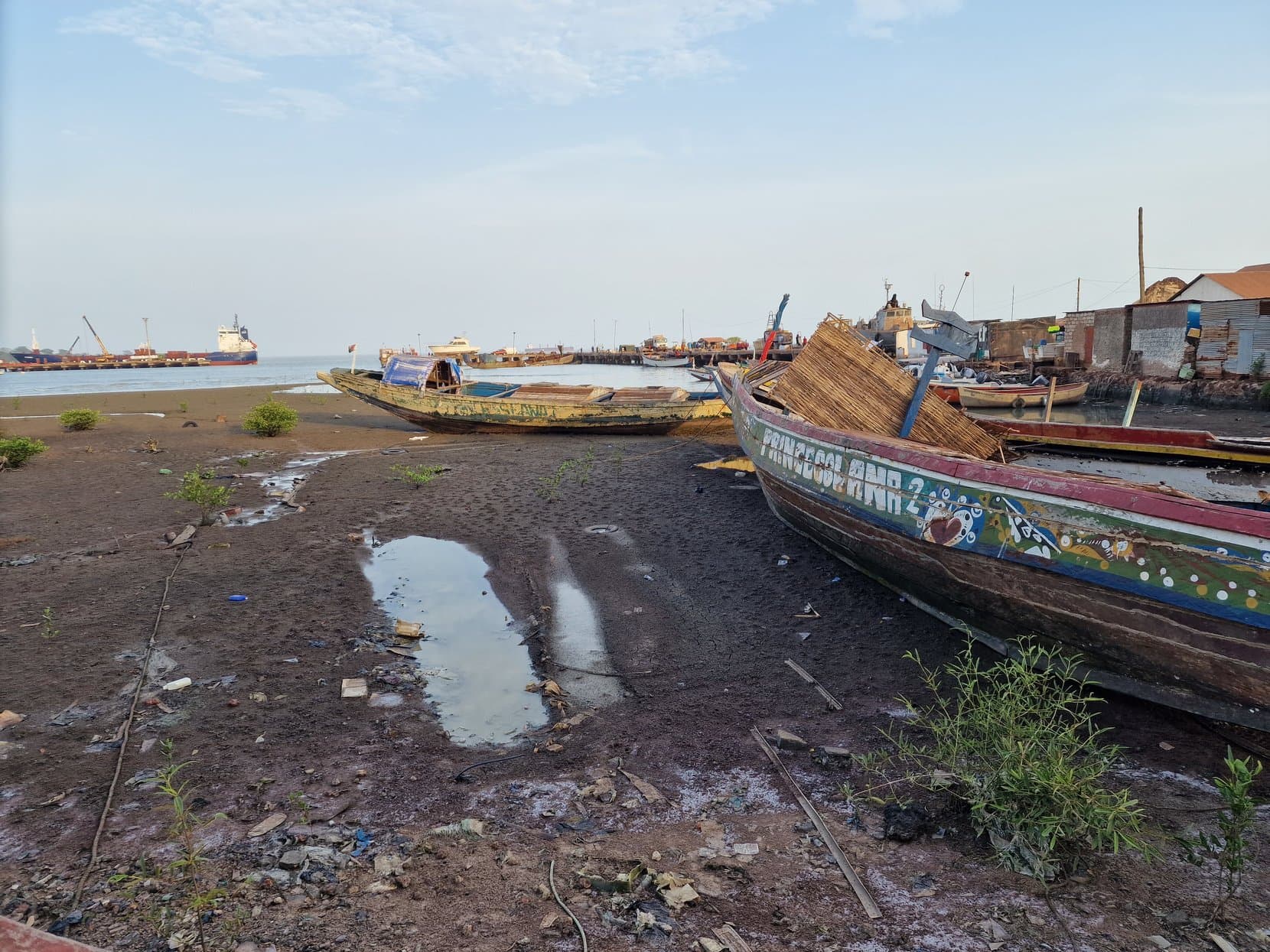
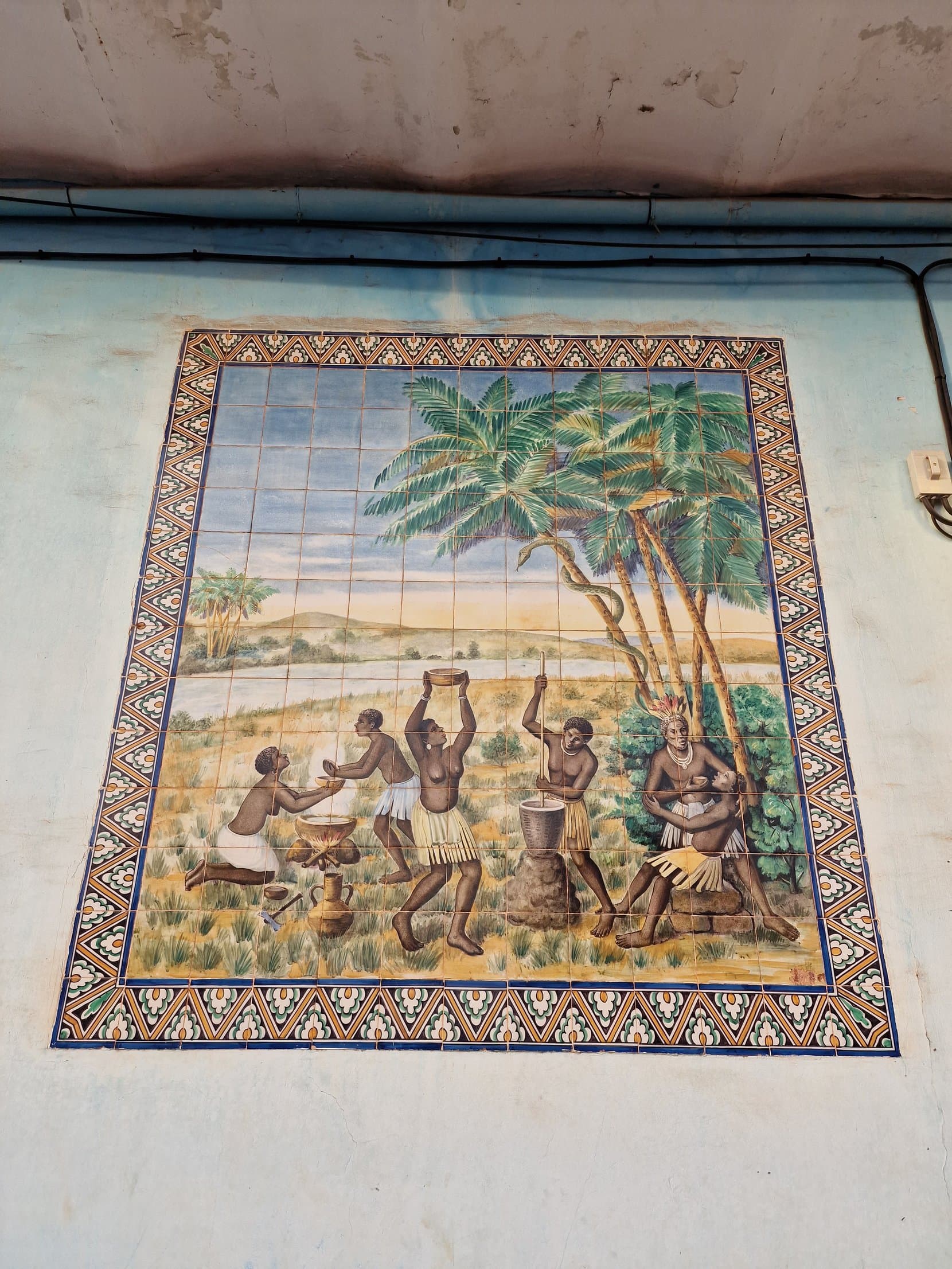
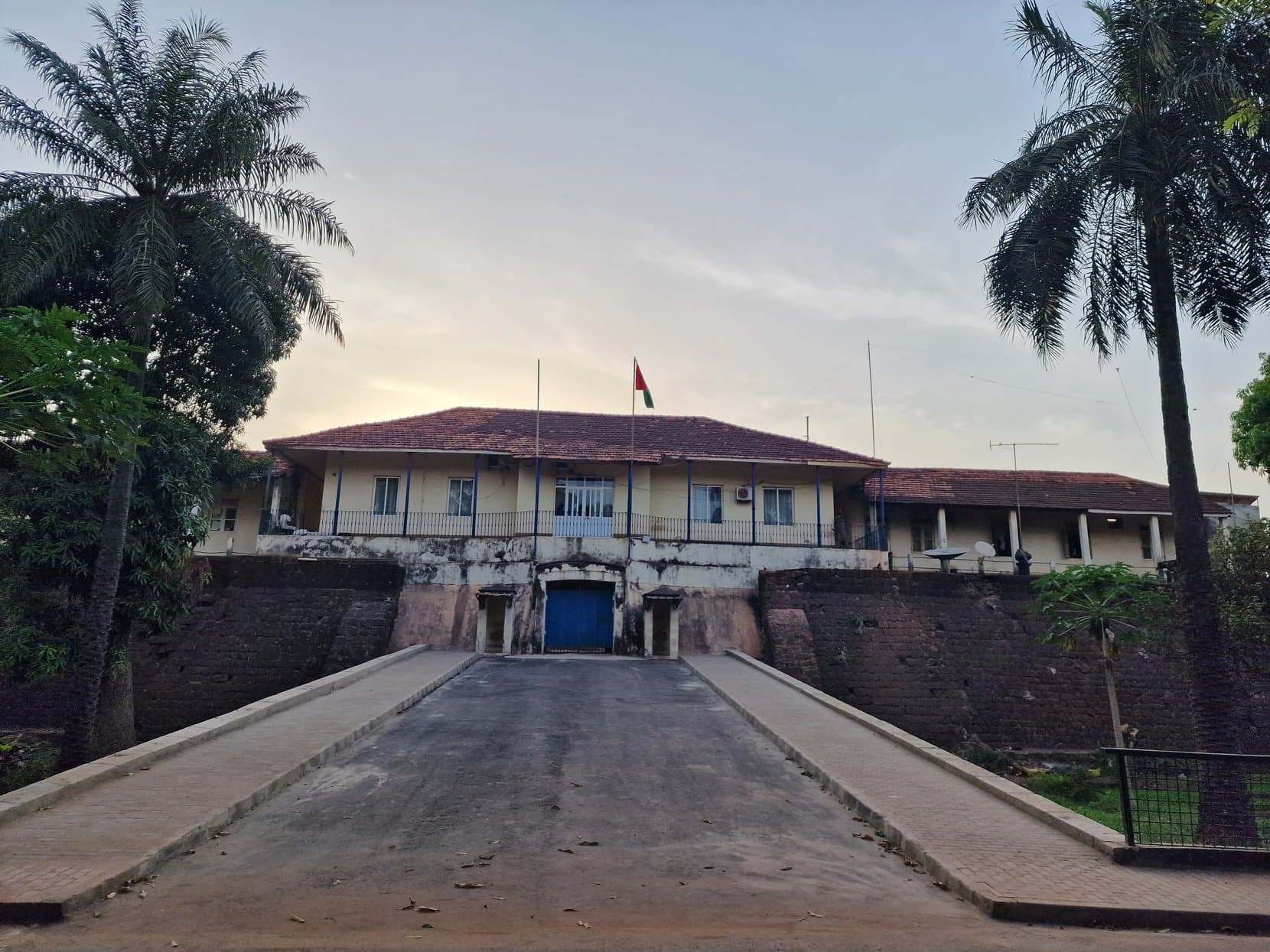
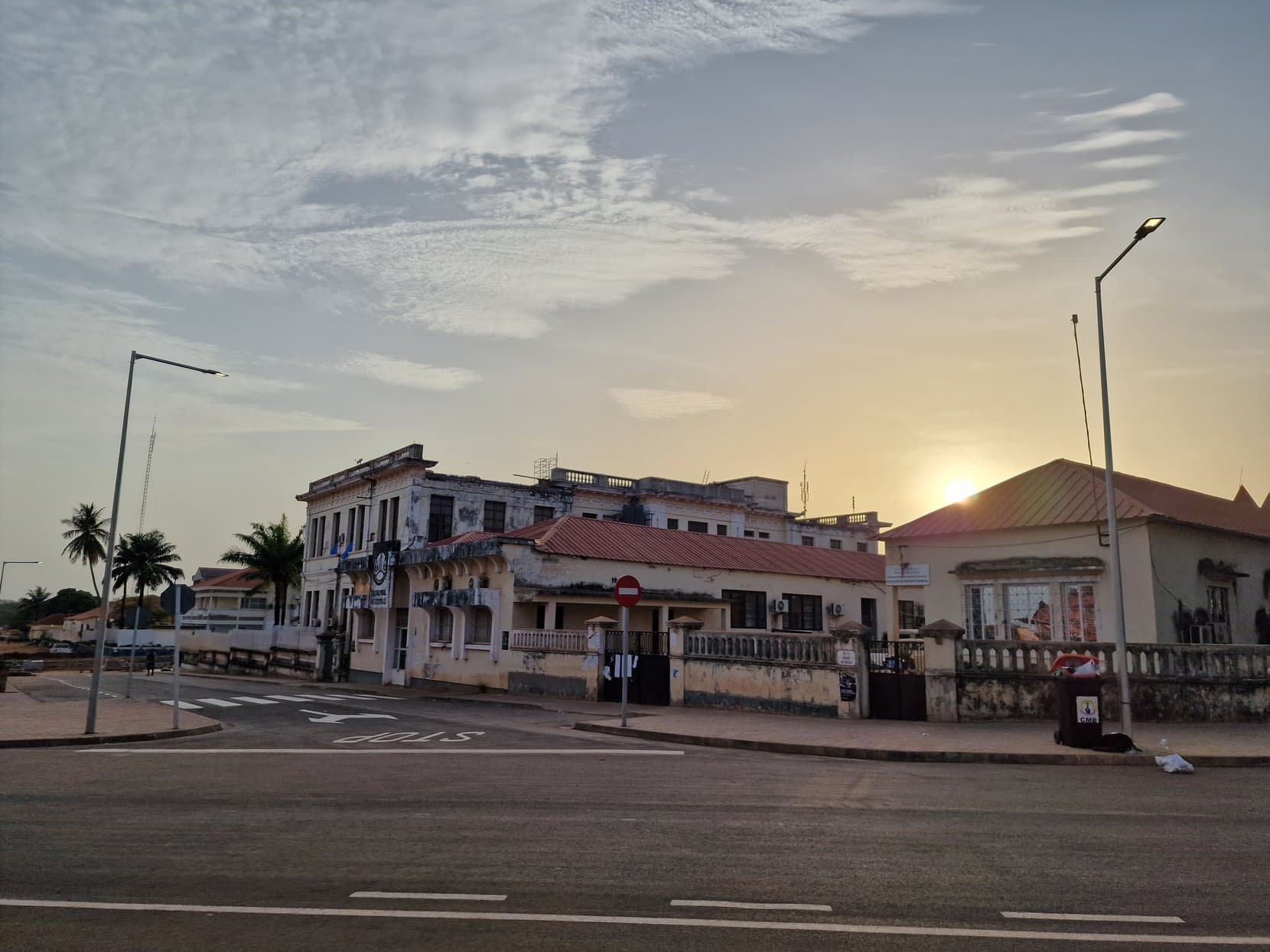
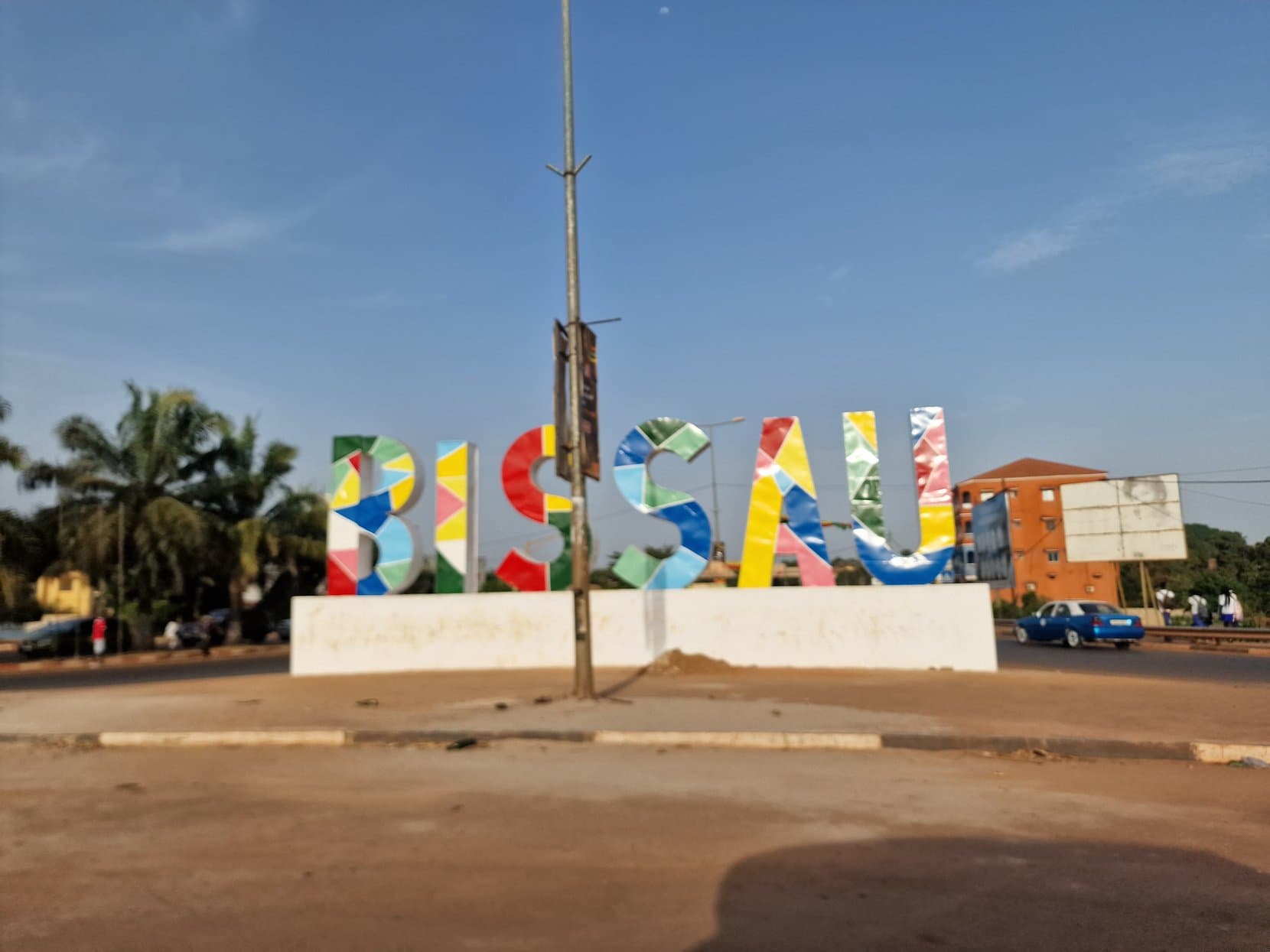
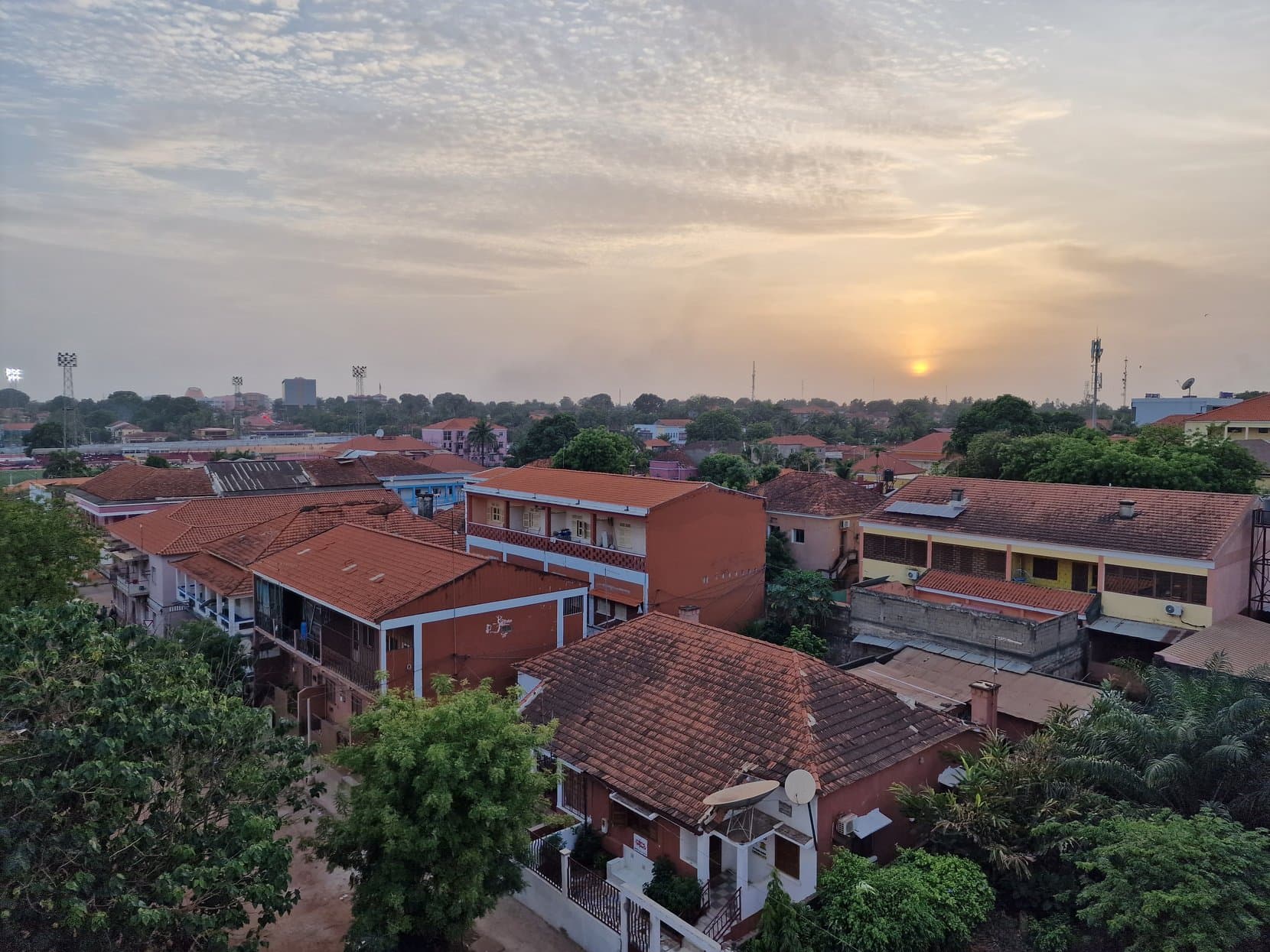
Two halves, and an evening covers both. Bissau Velho is the old Portuguese town – a few streets of colonial buildings with the render failing and nothing restored, a surviving panel of Portuguese tiles, a fort, and a waterfront that turns to mudflats when the tide goes out; the Presidential Palace and the independence monument stand at its edge. What makes it memorable is not the architecture, which is modest, but how empty it is at dusk. The other half is the market district a few minutes away, which is where the crowds and the commerce actually are. Most write-ups describe the colonial streets and never mention the market, which gives a badly lopsided picture of the city.
Can you drive in Guinea-Bissau, and what are the roads like?▾
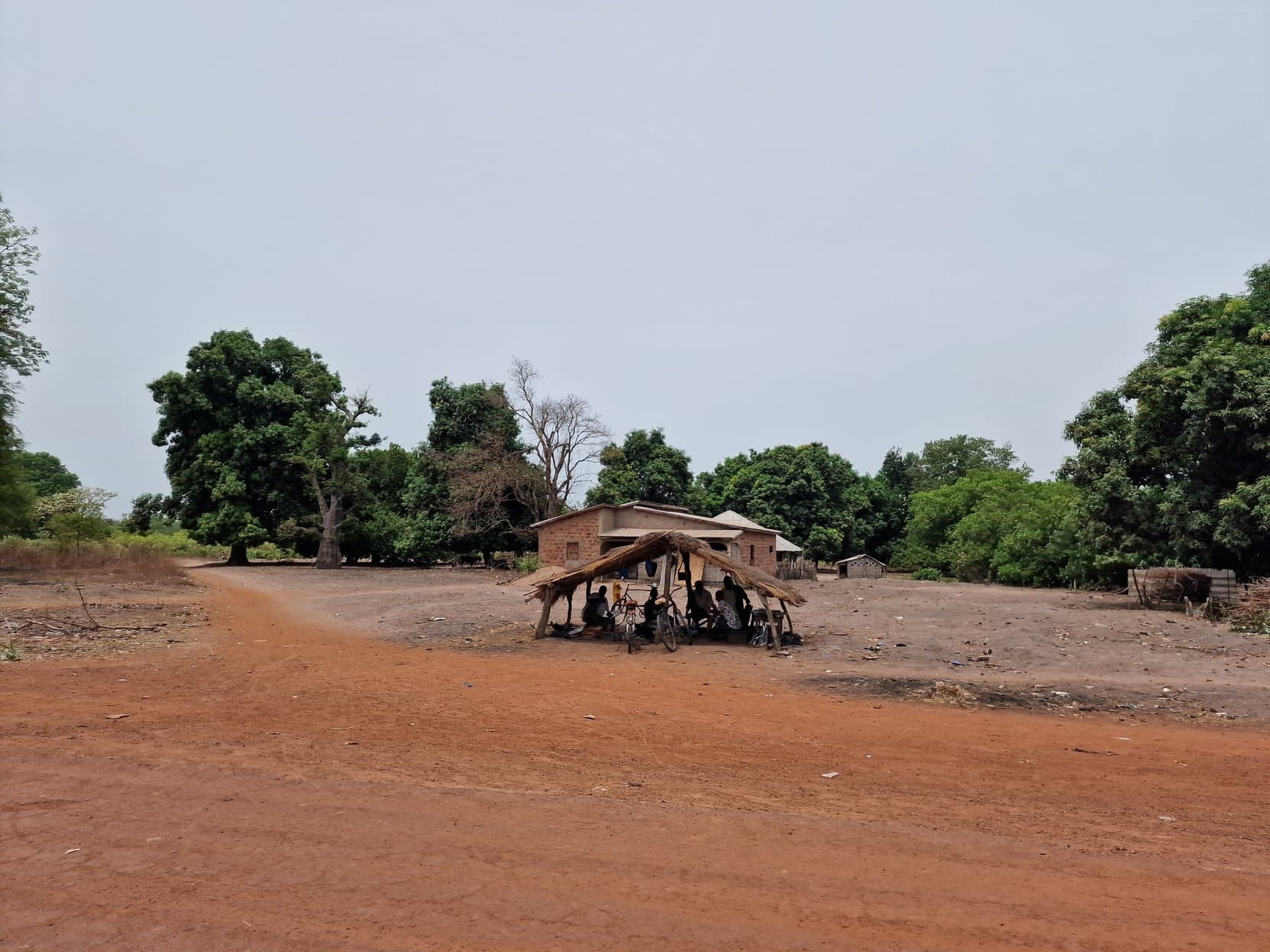
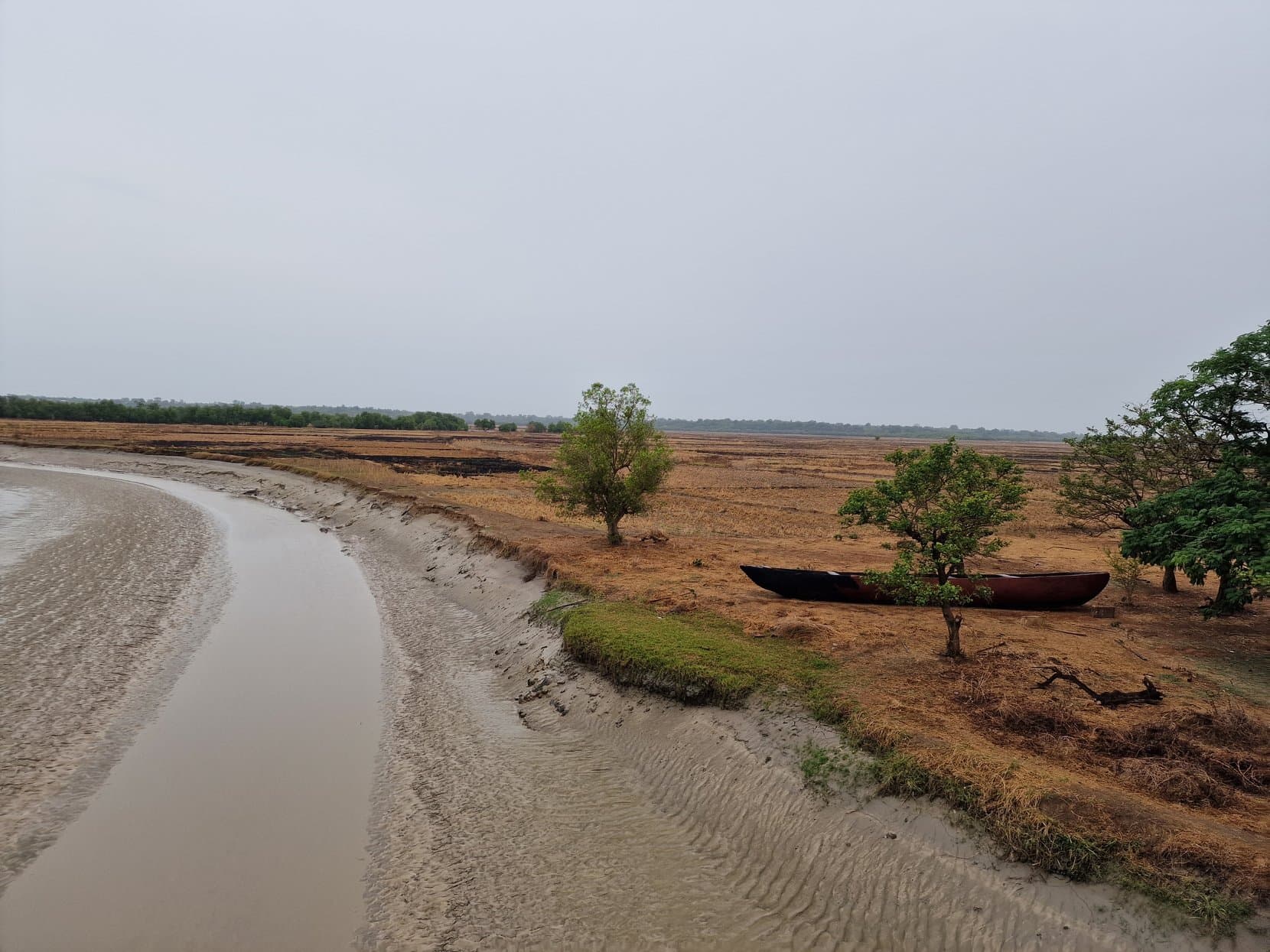
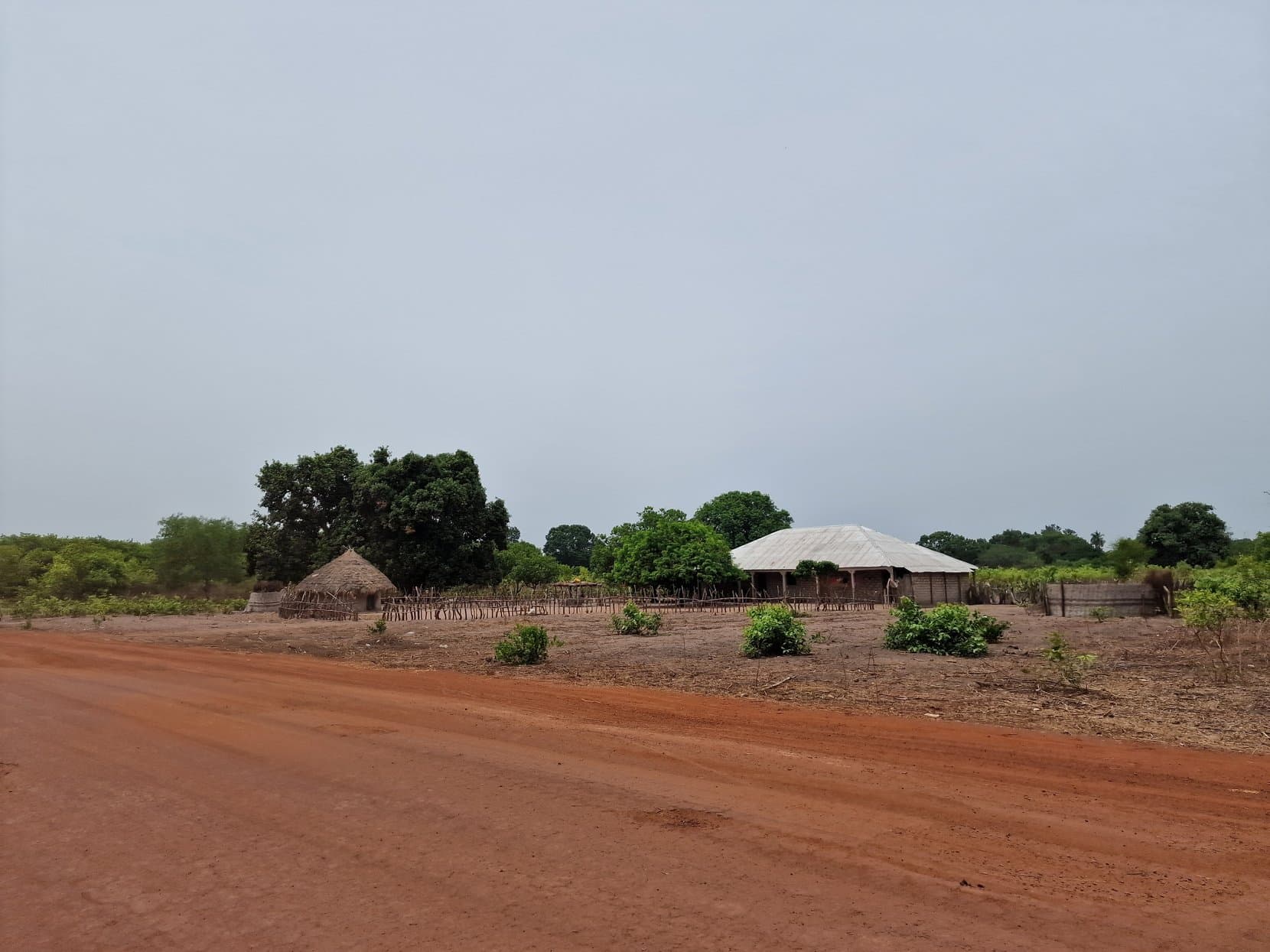
You can, and the surface is the thing to plan around rather than the distance. Roads are reasonable close to the capital and get steadily worse away from it – there is asphalt on the main routes east, but with potholes deep enough that traffic simply abandons the tarmac for the dirt beside it. Our crossing from Bissau to the eastern border took about eight hours for a distance that looks like half that on a map. Expect frequent police checks near the frontier, avoid driving at night, and note that road banditry is flagged by several advisories.
Is Guinea-Bissau expensive?▾
Getting there is the line that matters: return flights from western Europe run about €600, and essentially everything routes through Lisbon, where TAP flies to Bissau nonstop about four times a week. That is what reaching the country costs, not what the trip costs. On the ground it is inexpensive – beds and food are cheap outside the island lodges, and almost nothing charges admission, because almost nothing is set up to. The one line with real range is the archipelago, where a lodge and its boats are a different order of spending from anything on the mainland.